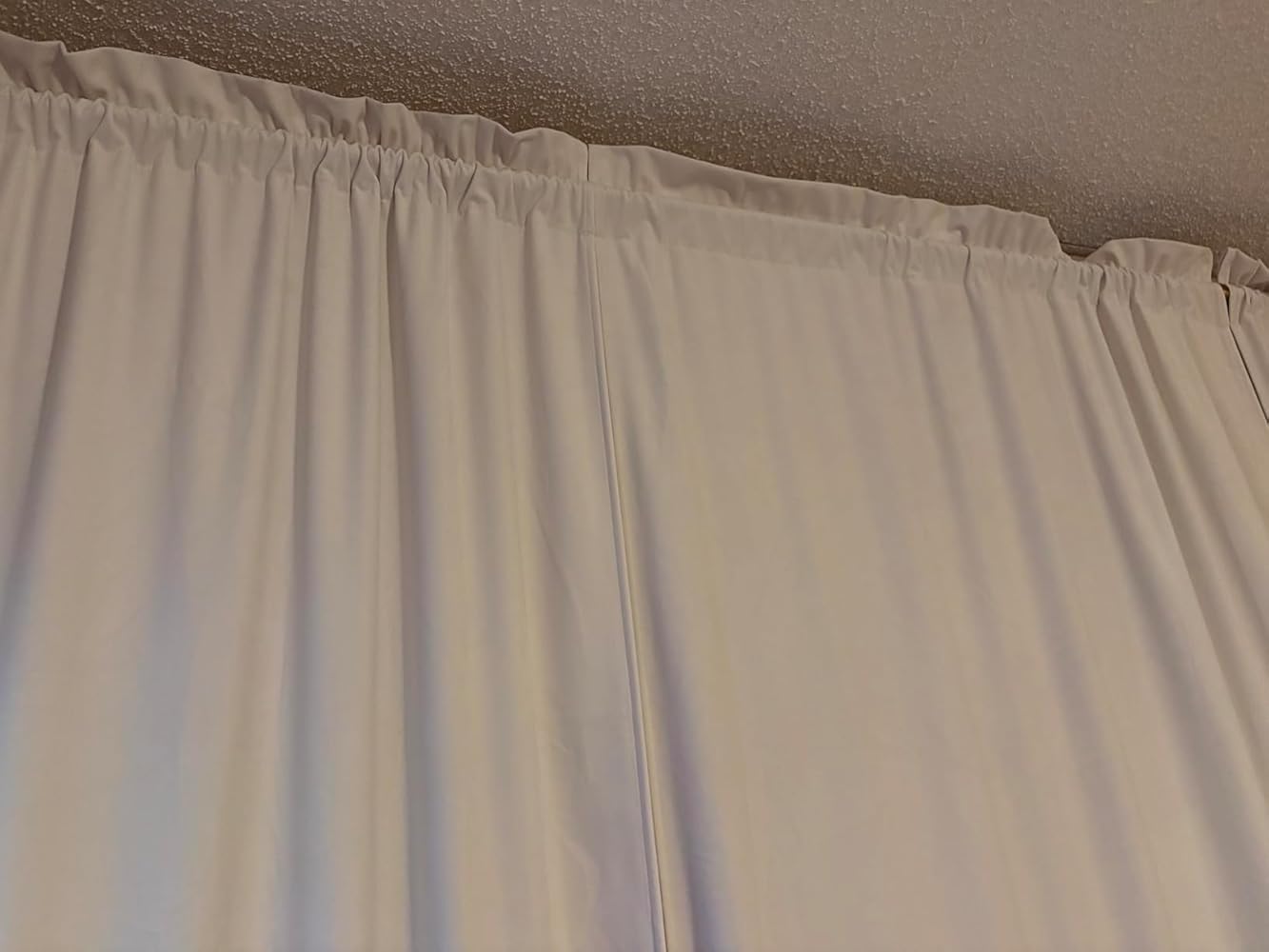
The Honest Guide to Tab Top and Tie Top Curtains: Style vs. Reality
Tab top and tie top curtains are the darlings of the interior design world when the goal is a relaxed, romantic, or breezy aesthetic. They evoke images of seaside cottages and French farmhouses where everything feels effortlessly undone. However, that "effortless" look is deceptively high-maintenance. Before you invest in these headers, you need to decide if you want a window treatment that functions well, or one that simply looks beautiful while staying perfectly still.
The Deal Breakers: 3 Reasons You Might Hate These Curtains
If you are accustomed to grommets, rod pockets, or traverse tracks, switching to tab or tie tops can be a jarring experience. Unlike modern functional drapery, these headers are primitive by design. They rely on fabric loops or strips dragging directly across a curtain rod. Understanding the mechanical limitations before you buy is the only way to prevent buyer’s remorse.

1. The Gliding Failure
The most significant issue with these curtains is friction. When you slide a metal grommet over a metal pole, it moves swiftly. When you slide cotton or linen loops over a pole, they bind. There is no "flinging" these curtains open in the morning to let the sun in.
To open or close tab top curtains, you generally have to move the tabs manually, one or two at a time, "dressing" the pleats as you go. If you try to pull the curtain by the edge, the leading tabs will move, but the rest will lag behind, causing the fabric to bunch awkwardly. If you plan to open and close your window treatments daily, such as on a sliding glass door or a bedroom window, this friction will likely become a source of daily frustration.
2. The Blackout Impossibility
Americans value sleep, and blackout curtains are a standard requirement for many bedrooms. Tab top and tie top curtains are fundamentally incompatible with a true blackout experience.
Because the curtain hangs from loops, the top edge of the main fabric panel sits several inches below the curtain rod. This creates a "light gap" or "light bleed" across the entire width of the window. Even if the fabric itself is 100% opaque, sunlight will stream through the loops at sunrise, and streetlights will cut through at night. For a nursery or a shift worker's bedroom, this structural gap renders the blackout fabric useless.
3. The "Scallop" Sag
Gravity affects these curtains differently than other styles. With a pinch pleat or grommet, the fabric is supported at regular, rigid intervals. With tabs and ties, the fabric is supported only at the loop, causing the material between the loops to droop.
This creates a distinct "scalloped" top line. While this is a hallmark of the casual style, it can look messy if the fabric is too thin. If you prefer crisp, straight lines and tailored architectural looks, the inherent sagging of these headers will look less like "relaxed luxury" and more like "unmade bed."
The Hidden Alternative: Why You Might Actually Want "Back Tabs"
Many homeowners who think they want tab tops are actually looking for the clean vertical folds of a Back Tab (or Hidden Tab) curtain.
Back tabs function similarly to standard tabs, but the loops are sewn onto the back of the header, completely hidden from view. The rod threads through these hidden loops, creating a floating effect where the curtain appears to hover over the rod.

Comparison: Which Header Fits Your Lifestyle?
| Feature | Tab / Tie Top | Back Tab (Hidden Tab) | Grommet |
| Gliding Ease | Poor. High friction; requires manual adjusting. | Fair. Better than exposed tabs, but still drags. | Excellent. Slides effortlessly. |
| Light Control | Low. Significant light gap at the rod level. | High. Rod is covered; minimal light bleed. | Medium. Light bleeds through ring holes. |
| Visual Style | Romantic, cottage, bohemian, vintage. | Tailored, modern, clean, transitional. | Industrial, contemporary, utilitarian. |
| Hardware | Rod is fully exposed (must be decorative). | Rod is partially or fully hidden. | Rod is visible through holes. |
If you love the vertical folds but hate the idea of light gaps, back tabs are the superior choice. They maintain a soft, fabric-forward look without the visual clutter of knots or loops.
How to Avoid the "Dorm Room" Look: Fabric Matters
In the U.S. market, tab top curtains suffer from a reputation problem: they are often associated with inexpensive, entry-level decor found in dorm rooms or first apartments. This association usually stems from the fabric choice rather than the header style itself.
To elevate this look from "cheap" to "chic," you must be extremely selective about materials.
The Rule of Weight
The main reason budget tab tops look poor is that they are made of lightweight polyester or thin cotton blends. When the fabric is light, the tabs don't pull taut. Instead, they twist, and the curtain hangs like a limp sheet.
To achieve a designer look, you need heavyweight natural fibers.

- Linen: The texture of linen adds sophistication that counters the casual header. The stiffness of linen also helps the tabs stand up rather than flopping over.
- Cotton Duck or Canvas: These thick, durable fabrics have enough weight to pull the tabs straight, creating a structured drape that looks intentional rather than flimsy.
- Velvet: While heavier, velvet tie-tops can look surprisingly elegant in a bohemian setting, provided the rod is sturdy enough to support the weight.
The Fullness Factor
Another mistake is buying panels that are too narrow. Because tab tops hang flat (unlike pleated curtains which have built-in fullness), a single panel pulled across a window looks like a flat screen.
You need to achieve "fullness" by purchasing panels that are a combined width of 1.5 to 2 times the width of your window. This ensures that even when the curtains are closed, there is still a gentle wave in the fabric. This volume hides the wall behind the gaps and makes the treatment feel luxurious.
Hardware Selection: Preventing the "Bow"
Because the header is open, your curtain rod is on full display. A standard white telescoping track rod will not work here. You need a decorative pole, but aesthetics are secondary to strength.
Since these curtains do not glide, users tend to tug on them with more force than necessary. Over time, this extra drag can cause a thin curtain rod to bow in the center.
- Diameter: Avoid rods that are less than 1 inch in diameter. A thin rod looks spindly and cheap when paired with wide fabric tabs. A chunky wooden pole or a substantial wrought iron rod provides the necessary visual balance.
- Support Brackets: If your window is wider than 40 inches, a center support bracket is non-negotiable. Without it, the weight of the fabric—combined with the friction of dragging it—will bend the rod.
- The "Ring Hack": If you already own tab top curtains and are frustrated by how poorly they slide, there is a simple fix. You can purchase curtain rings with clips. Clip the rings onto the tabs (folding the tab over if it's too long). This converts the curtain into a ring-top panel, allowing it to slide smoothly while keeping the casual tab aesthetic somewhat intact.
Measuring Challenge: The "Puddle" Rule
Measuring for tie top curtains presents a unique geometry problem. With a standard grommet curtain, the length is fixed. With a tie top, the length of the curtain depends entirely on how tight you tie the knot.
It is statistically impossible for the average person to tie 14 different knots at the exact same height. If you attempt to hem these curtains to "kiss" the floor (just touching), you will inevitably end up with a hemline that zig-zags up and down by half an inch across the window.
Embrace the Break
The solution is to lean into the relaxed nature of the style. Do not aim for a precise hovering hem. Instead, size your curtains to be 2 to 4 inches longer than the distance to the floor.
Allowing the fabric to "break" or "puddle" on the floor serves two purposes:

- It disguises uneven tying. If the fabric pools on the floor, no one can tell if one knot is slightly looser than another.
- It enhances the vibe. The puddle effect reinforces the romantic, shabby-chic aesthetic that made you choose tie tops in the first place.
When measuring, remember to measure from the top of the pole down to the floor, but account for the drop. Standard tabs usually drop the curtain about 3 to 4 inches below the rod. Tie tops are variable. It is always safer to buy longer panels and hem them (or let them puddle) than to buy panels that end up looking like "high waters" because the ties used up more fabric than expected.
Frequently Asked Questions
Can I use tab top curtains on a traverse rod?
No. Traverse rods use carriers and cords to move the curtains. Tab and tie tops are designed exclusively for round, decorative poles.
Are tie top curtains safe for nurseries?
Generally, no. Long, loose ribbons or ties can present a strangulation hazard for young children. Additionally, the lack of blackout capability makes them poor choices for infant sleep schedules.
How do I wash them without ruining the tabs?
Washing can be risky because the tabs often shrink at a different rate than the main panel, causing puckering. It is highly recommended to dry clean these curtains or hand wash them in cold water and line dry to prevent distortion.
Final Verdict: Who Should Buy These?
Tab top and tie top curtains are best reserved for stationary, decorative panels in rooms where privacy and total darkness are not primary concerns. They are excellent for framing a dining room window, softening a living room corner, or adding texture to a guest room that isn't used daily. If you treat them as "fabric frames" for your view rather than functional equipment, you will appreciate their charm. If you need a daily workhorse to block the morning sun, look toward back tabs or grommets instead.
Before You Go…
Here are a few handpicked articles to inspire your next self-care moment.