The Case for Grommet Curtains: Modern Utility Meets Architectural Design
In the world of window treatments, reputation is everything. Grommet curtains—defined by the metal rings punched directly into the fabric—often carry a stigma. Because they are the standard choice for starter apartments, many homeowners overlook them as they upgrade their interiors.
However, dismissing this style is a design oversight. While they may lack the romantic, gathered complexity of a traditional rod pocket, Grommet curtains offer something else entirely: Architectural Structure.
If Rod Pocket curtains are about "Static Luxury"—framing a window like a painting—Grommet curtains are about "Dynamic Utility." They are the intersection of modern minimalism and pragmatic living. When styled with the right fullness and fabric, they provide a clean, disciplined look that fits perfectly into the fast-paced rhythm of a contemporary home.

The "Tailored" Look: Structure Over Softness
To understand the aesthetic appeal of grommet curtains, you have to contrast them with the traditional "gather."
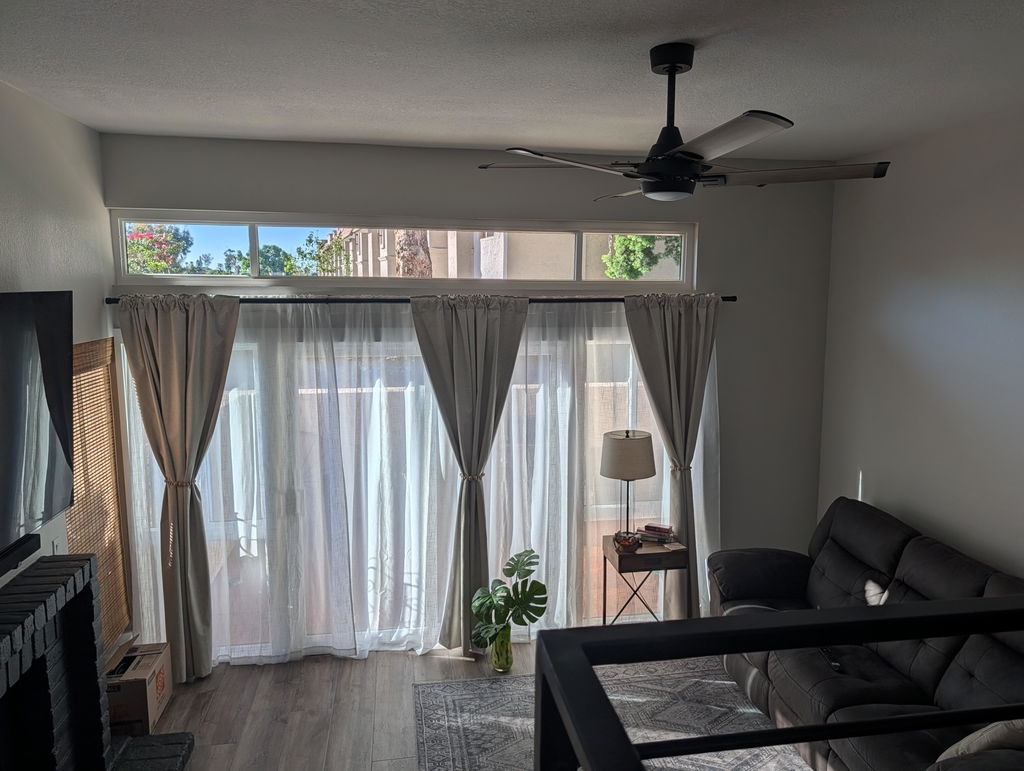
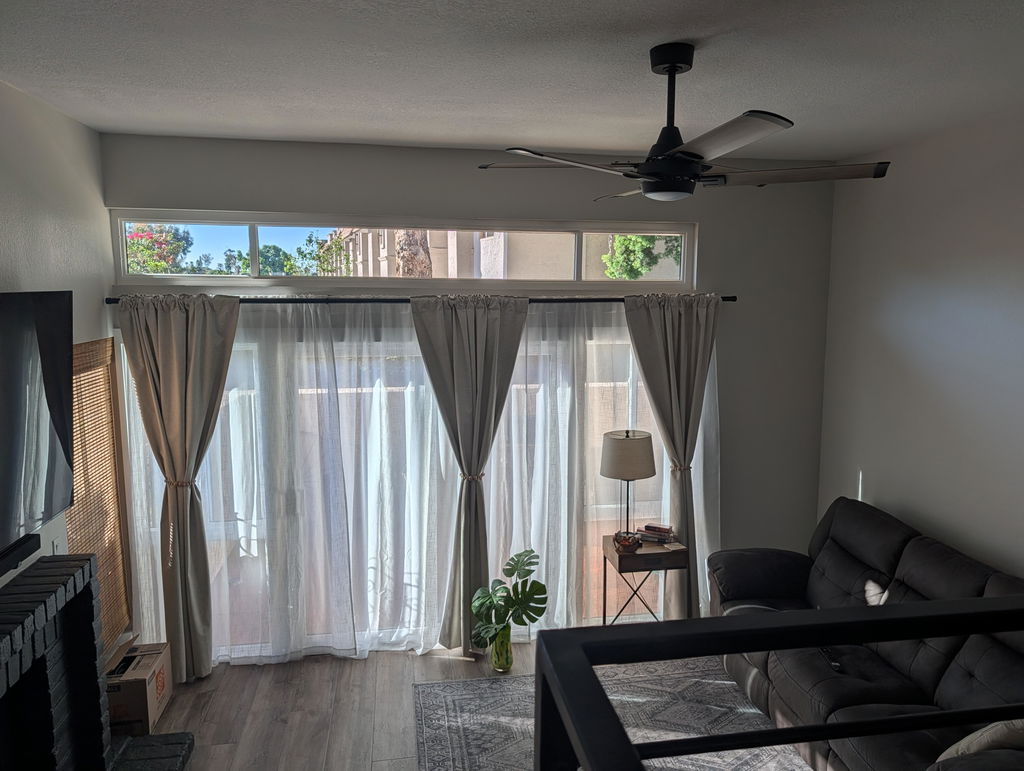
A classic rod pocket curtain is designed to look soft, ruffled, and voluminous.1 It relies on manually arranging fabric along a rod to create a lush, romantic vibe. Grommet curtains, however, rely on physics. The spacing of the metal rings forces the fabric into deep, consistent S-curves.
This creates a columnar effect. The fabric hangs in straight, vertical pillars from ceiling to floor.
In interior design, this is often referred to as a "Transitional" or "Modern" aesthetic. It creates a visual rhythm that is orderly and calm. Unlike the soft bunching of a traditional drape, grommet panels offer a "set it and forget it" uniformity. They don't need to be fluffed or trained every time you touch them; gravity and the hardware ensure they snap back into those perfect vertical lines instantly.

The Fabric Rule: Weight is Mandatory
Because this look relies on structure, the fabric choice is non-negotiable.
- The Risk: Unlined cottons or lightweight sheers often fail in this style because they cannot hold the shape of the column. They tend to look limp.
- The Solution: Choose fabrics with inherent weight—heavy linens, velvets, or lined weaves. The heavier the fabric, the straighter the pillar. The material needs to fight gravity to stay open, creating that high-end, tailored appearance.
The "One-Hand" Operation: Functionality You Can Feel
While aesthetic preference is subjective, the functional advantage of grommet curtains is an objective fact. This is the deciding factor for most homeowners: How often do you open your windows?
Rod pocket curtains utilize friction to stay in place.2 They are designed to be stationary, framing a view permanently. If you try to drag them open daily, it becomes a two-handed chore of tugging and adjusting.
Grommet curtains are the opposite. They are the only budget-friendly header style designed for low-friction movement.
The Coffee & Dog Test
This is the ultimate lifestyle test for your window treatments. Picture your morning routine: It’s 7:00 AM. You have a steaming cup of coffee in your left hand and a restless dog on a leash in your right hand. You need to open the patio door to let the dog out.
- With High-Friction Curtains: You are stuck. You have to put the coffee down to shimmy the fabric across the rod.
- With Grommet Curtains: You simply nudge the fabric with your elbow or pinky finger. Whoosh. It slides open.
This Metal-on-Metal Glide makes grommet curtains the undisputed champion for high-traffic areas. For sliding glass doors, bedroom windows that are opened every morning, or indoor-outdoor living spaces, this ease of operation isn't just a luxury—it’s a daily necessity.

Maximizing Your View: The "Compact Stack" Effect
Another architectural advantage of the grommet style is its efficiency. In smaller homes or apartments where maximizing natural light is critical, you want your curtains to disappear when they are not in use.
Traditional gathered styles are voluminous. Even when pushed fully open, the bunched fabric can take up significant space on the rod, blocking the edges of your glass and reducing your view. This is the trade-off for that lush, romantic look.
Grommet curtains, however, fold like an accordion.
When you push the panels open, the rings stack flush against one another. This "Stackback" is incredibly compact. If your curtain rod is wide enough, the panels can retreat almost entirely past the window frame, exposing 100% of the glass. This simple trick can make a room feel brighter and the windows appear physically larger.

Comparison: Choosing the Right Tool for the Job
| Feature | Grommet Top | Rod Pocket |
| Movement | Effortless (Glides) | High Friction (Static) |
| Visual Style | Structured / Vertical | Soft / Gathered |
| Space Required | Compact Stack | Voluminous / Wide |
| Best Room | Living Room / Patio | Dining Room / Guest Room |
The #1 Mistake: The "Flat Sheet" Effect
Despite their differences, Grommet and Rod Pocket curtains share one universal rule: Volume equals Luxury.
The most common reason grommet curtains look "cheap" is not the hardware, but the lack of fabric. Many homeowners make the mistake of measuring the window width (e.g., 50 inches) and buying a curtain panel that matches that number exactly.
Do not do this.
If the curtain width matches the window width, you lose the "S" curve. When closed, the curtain becomes a flat, taut sheet. It looks strained and utilitarian, like a shower curtain.
The Golden Rule: 2x Fullness
While Rod Pockets often require 2.5x or even 3x fullness to look lush, Grommets are slightly more efficient—but they still require volume.
Total Curtain Width = Window Width x 2
- The Scenario: You have a 50-inch wide window.
- The Fix: You need 100 inches of total curtain width. This usually means buying two 50-inch panels.
- The Result: Even when the curtains are fully closed, the fabric will still ripple. Those ripples are what catch the light and create depth. Without them, the room looks unfinished.
Realistic Limitations (And How to Style Around Them)
To achieve a high-end look, you must use grommets where they belong—and avoid forcing them where they don't.
1. The "Halo" Light Leak
Because the rings are punched into the fabric, light will inevitably arc through the holes and over the top of the rod.
- Verdict: If you are designing a dedicated Home Theater that needs absolute pitch blackness, grommets are not the right tool. Stick to a track system or a cornice box. For a standard bedroom, however, this soft glow is usually negligible.
2. The Style Clash
Grommets are inherently industrial. The visible hardware (silver, black, or bronze rings) makes a statement.
- Verdict: Avoid using them in highly formal or traditional spaces. A Victorian parlor or a formal dining room with elaborate molding is better suited for the soft elegance of a Rod Pocket or Pinch Pleat. Grommets belong in spaces that celebrate clean lines—Family Rooms, Master Bedrooms, and Modern Kitchens.
PRO TIP: The "Match Your Metals" Rule
Nothing disrupts the visual flow like mismatched hardware.
- The Mistake: Buying curtains with Silver (Nickel) grommets and hanging them on a Gold or Oil-Rubbed Bronze rod. It looks accidental.
- The Fix: If your grommets are Matte Black, your rod must be Matte Black. If your grommets are Silver, buy a Brushed Nickel or Steel rod. This cohesion makes the hardware look like a deliberate design choice rather than an afterthought.
The Bottom Line
Choosing between curtain styles isn't about "good" versus "bad"; it is about matching the design to your lifestyle.
If you are looking to frame a window with stationary, romantic elegance, stick with the classic Rod Pocket. But if your life involves movement—sliding doors, morning breezes, and busy hands—then Grommet curtains are the superior choice.
By respecting the need for fullness and choosing the right fabric weight, you can elevate this "functional" choice into a stunning, architectural feature. Measure your window, multiply by two, match your metals, and enjoy the effortless glide of modern design.
Before You Go…
Here are a few handpicked articles to inspire your next self-care moment.