Measuring and Installing Curtains for Special Window Types
Standard curtain advice often focuses on the ideal rectangular window and installation environments that allow for drilling. However, when you are designing for a curved bay window, a rented apartment with specific regulations, or a sliding glass door with older hardware, general guidelines may not fully address your specific needs. Beyond simple measurements, you require a thoughtful strategy that honors your home's architecture while respecting both your security deposit and your time.
Bay Windows: Bridging the "Hardware Gap"
Bay windows are architecturally stunning, creating a cozy nook that opens up a room. However, they present unique mechanical considerations. The defining feature—three or more windows meeting at obtuse angles—creates a natural spacing challenge. Standard straight rods can leave gaps in the corners, potentially allowing light to enter and reducing privacy.
For a polished, high-end aesthetic, the continuous curve is the gold standard. This involves using a flexible ceiling track or a custom-bent rod that mimics the shape of the bay. The advantage here is functional as well as aesthetic: because there are no brackets blocking the path, curtain panels can glide effortlessly from the side windows to the center and back. It creates a seamless, elevated feel and can make the room appear more spacious.

If you are working with a more modest budget or prefer a simpler DIY approach, corner connectors are an excellent solution. These are hinged "elbows" that fit into the ends of standard metal curtain rods, allowing you to join three separate rods into one rigid, angled shape. To ensure smooth operation, we recommend opting for rings or grommets over rod-pocket drapes, as the latter can create friction at the corner elbows.
The Renter’s Reality
If drilling into the ceiling or window frame is not feasible, alternative tactics are available. An effective non-invasive solution involves using three separate tension rods mounted inside each window frame. This setup is perfect for sheer panels or café curtains. While it offers a different profile than the dramatic sweep of a continuous rod, it creates a clean, tailored look that requires no tools and leaves the frame in its original condition when you move out.
Arched and Skylight Windows: Smart and Static Solutions
High windows introduce beautiful natural light, though covering them requires careful planning regarding reach. If a skylight or the top of an arched window is located significantly above ground level, manual cords or wands may detract from the room's visual purity.
For skylights and high-reach windows, the contemporary solution is retrofit automation. Wiring a motor is no longer a necessity; battery-operated motors are widely available and can clip directly onto existing blind mechanisms. These devices pair with your smartphone, allowing you to schedule opening and closing times. This is particularly beneficial for skylights, where managing heat gain is essential; setting them to close automatically at noon can help maintain a comfortable room temperature.
The "High & Wide" Rule for Arches
Arched windows often lead homeowners to believe they require a custom curved rod. Unless you have a flexible budget for custom fabrication, matching the curve precisely can be challenging.
Instead, consider the "High & Wide" strategy. Mount a standard straight rod across the wall above the highest point of the arch (using a ceiling mount if necessary). This approach treats the entire wall as a feature. When the curtains are open, the full arch is displayed; when closed, you achieve total blackout.

If your goal is to temper the light rather than ensure full privacy, consider stationary panels. Install short, decorative rods or sconces on either side of the arch, just below the curve. Hanging fixed drapery panels frames the window beautifully, softening the room’s acoustics and adding texture without the complexity of covering the curved glass.
Corner Windows: Ensuring Seamless Coverage
Corner windows offer fantastic panoramic views, but they require specific hardware to manage the geometry. When mounting two standard rods at a 90-degree angle, the decorative finials can meet, creating a gap between the rods where privacy might be compromised.
A seamless solution is a corner adapter. Similar to bay window elbows, this specialized hardware bridges two rods, creating a continuous L-shape. This allows a curtain panel to slide around the bend, ensuring that when you pull the drapes shut, the corner is fully enveloped in fabric.
For a modern, architectural look, you might bypass wall brackets entirely and install a ceiling-mounted track system that mirrors the corner angle. Tracks offer a lower profile than rods and blend into the ceiling, allowing the fabric to remain the focal point.
French Doors: Motion, Privacy, and Stability
The guiding principle for French doors is simple: if the door moves, the treatment should move with it. Mounting a rod on the wall above the door can be inconvenient, as the curtain may impede the hinge or the door's swing.
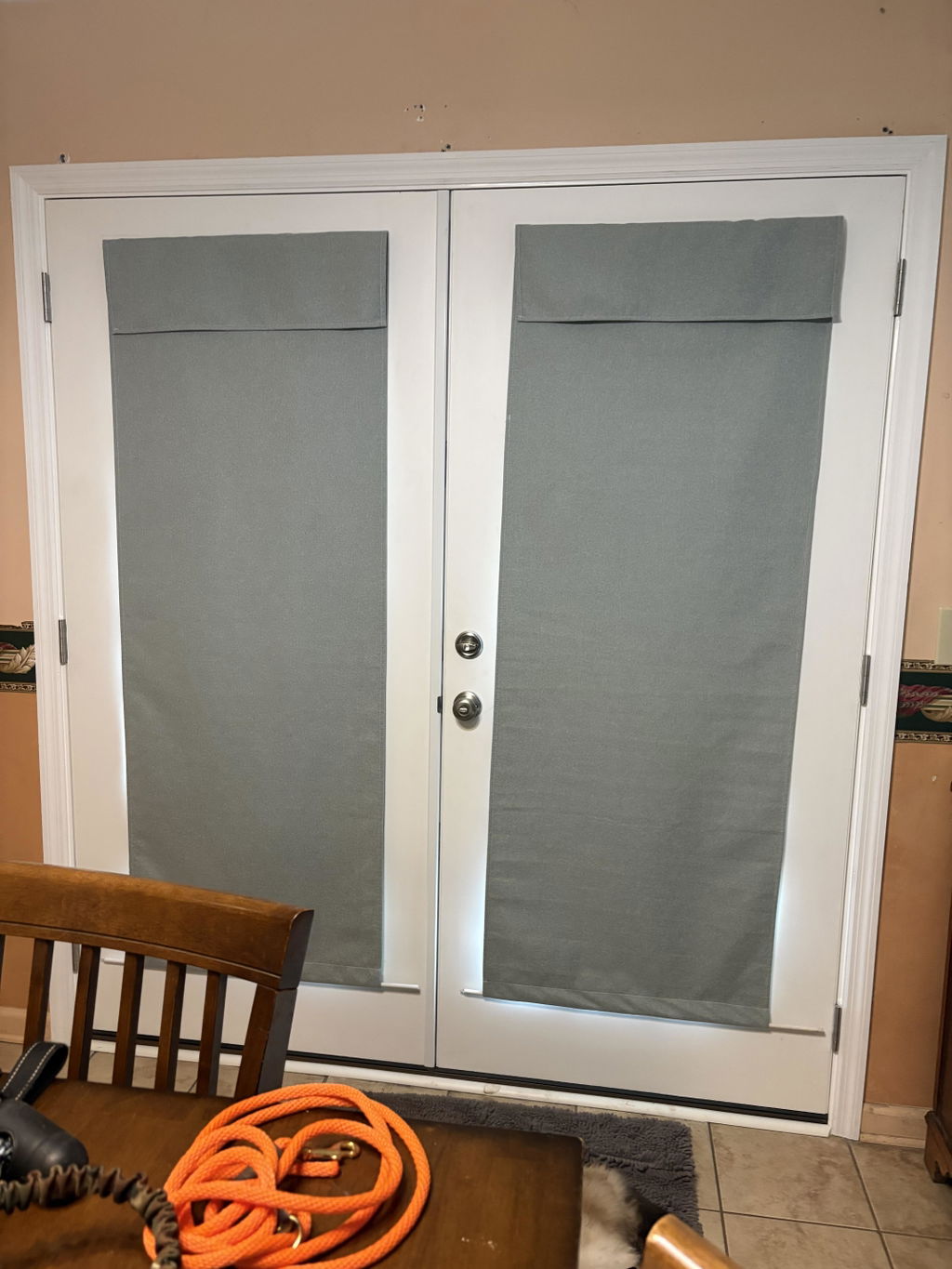
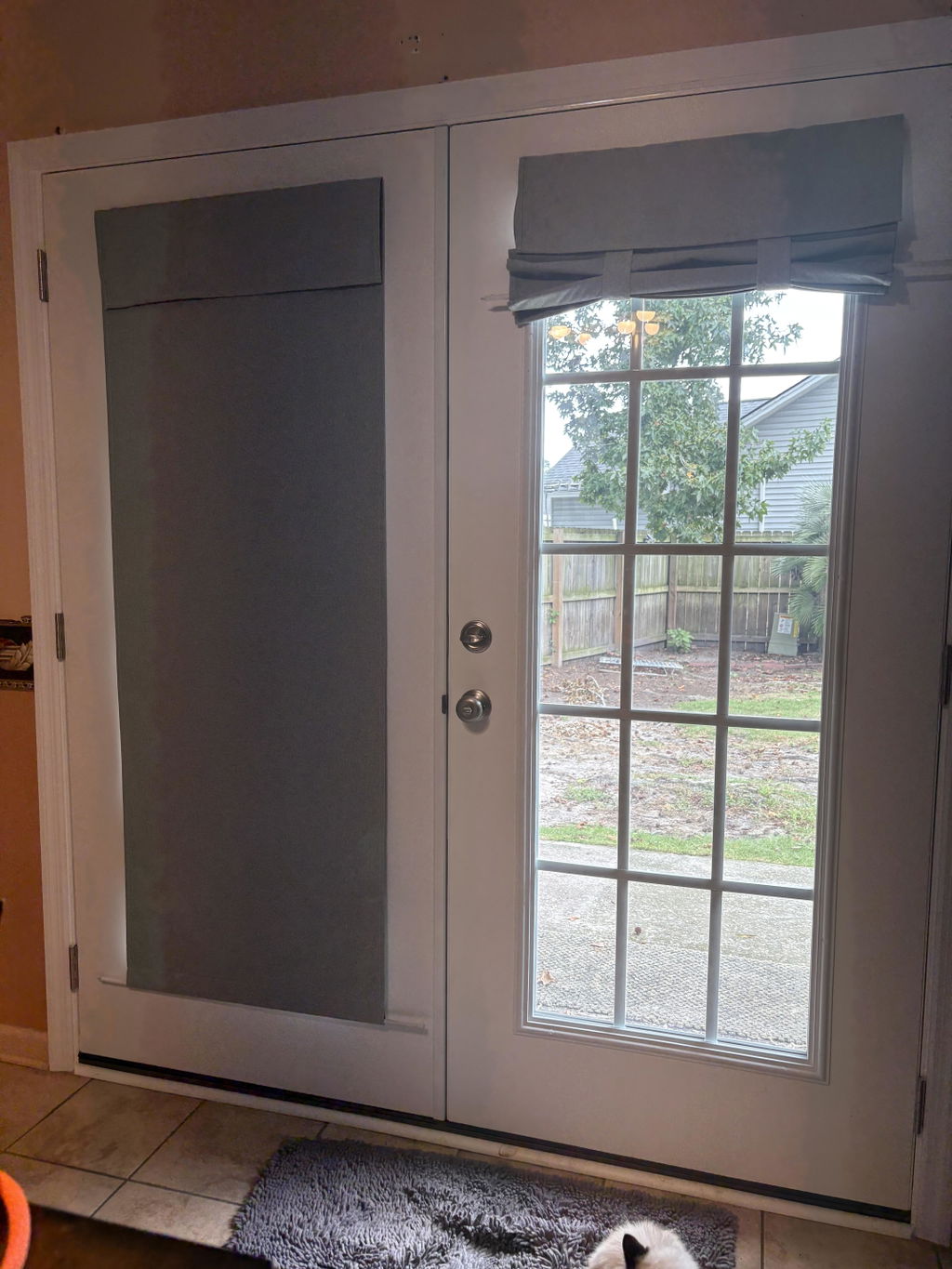
While "apron length" curtains—fabric that covers only the glass—have been used in the past, a more contemporary standard is floor-length drapery mounted directly to the door, or integrated blinds that fit flush against the glass for a cohesive look.
||product||No-Drill Options for Metal Doors
Many modern French doors are constructed from steel or fiberglass, making drilling a delicate task. Magnetic curtain rods are an excellent solution here. These rods feature powerful magnets on the brackets that snap securely onto steel doors, strong enough to hold lightweight to medium-weight linen panels. For vinyl or wood doors where drilling is not preferred, high-quality adhesive shades are available. Modern cellular shades often utilize industrial-strength adhesive rails that are durable yet can be removed with heat (such as a hair dryer) when necessary.
||product||
Functional Essentials
If you opt for fabric drapes on a door, hold-backs are essential. These tie-backs or metal arms secure the curtain to the side of the window glass. They ensure the fabric remains neatly in place when the door is in use, preventing it from interfering with the latch mechanism.
Sliding Glass Doors: Elevating Beyond Vertical Slats
For years, the standard solution for sliding glass doors has been PVC vertical blinds. While functional, there are alternatives that offer a softer, more residential aesthetic for a contemporary home.
Sliding Panel Tracks
This is a refined upgrade from traditional blinds. Instead of narrow slats, this system uses three to five wide panels of fabric that slide on a track. When open, they stack neatly behind one another. They appear as a deliberate design feature—resembling a moving accent wall—offering a sleek, modern look.
Ripplefold Drapery
If you prefer the softness of curtains, a ripplefold track is ideal. This style maintains a uniform "S" wave in the fabric from top to bottom. A critical calculation here is "stack-back." Because sliding doors are wide (often 6 to 8 feet), the gathering fabric requires space when the door is open. Generally, extending your rod or track at least 30% beyond the actual door frame allows the curtains to clear the glass, preserving your view and the flow of traffic.

Budgeting for Specialty Windows
Specialty windows often require a "craftsmanship investment." It is reasonable to anticipate spending approximately 30% to 40% more on hardware for these windows compared to a standard bedroom window. This cost reflects the specialized connectors, sturdy brackets, and often the need for longer continuous spans of metal.
To manage your budget effectively, it helps to know where investment yields the best return.
| Category | Save or Splurge? | Why? |
| Bay Window Rods | Splurge | Entry-level connectors may affect operation. High-quality corner joints ensure smooth, daily gliding. |
| Arched Windows | Save | A standard straight rod mounted high creates a dramatic effect at a more accessible price point than custom curves. |
| Sliding Door Tracks | Splurge | As a high-traffic area, a quality ball-bearing carrier system ensures the door remains effortless to use. |
| French Door Fabric | Save | Doors see frequent activity. Washable, accessible linen blends are often more practical than delicate silks. |
Frequently Asked Questions
Can I put standard curtains on a curved bay window?
Technically yes, though using three separate short rods will create gaps in the corners. For complete privacy and a seamless look, we recommend using a rod with corner connectors or a bendable track.
How do I measure for a corner window connector?
Measure from the corner of the wall out to where you want the curtain to end on both sides. When purchasing the connector, verify the "projection" (the distance it extends from the wall). Both rods must share the exact projection for the connector to fit securely.
What is the best way to cover a transom window above a door?
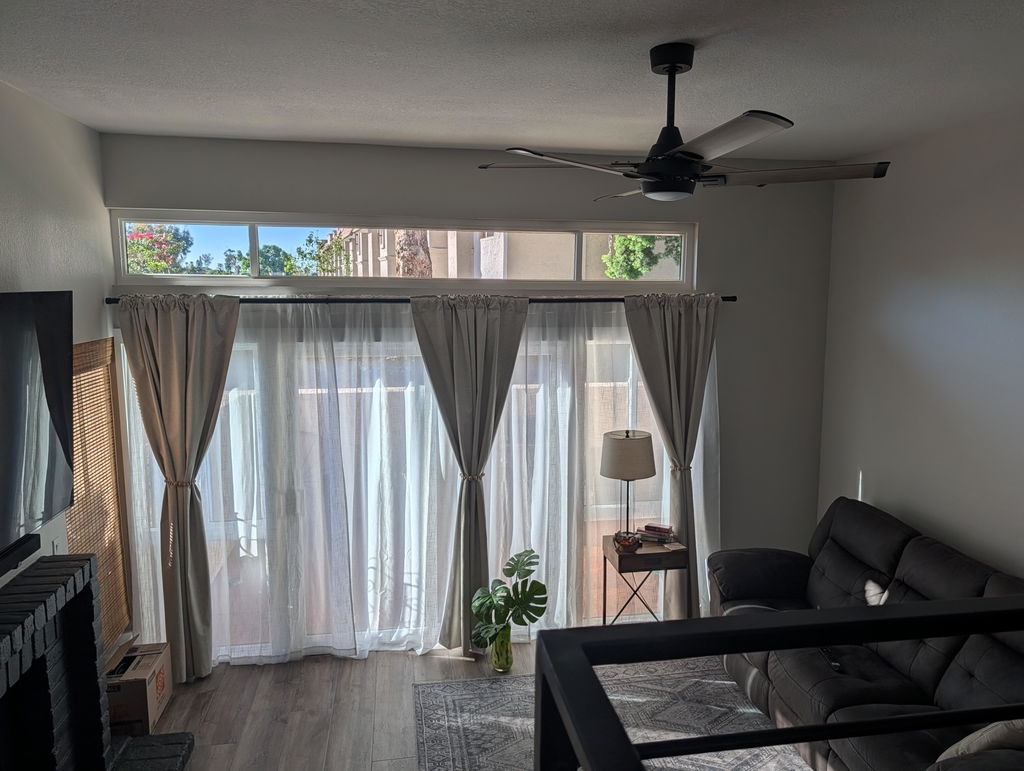
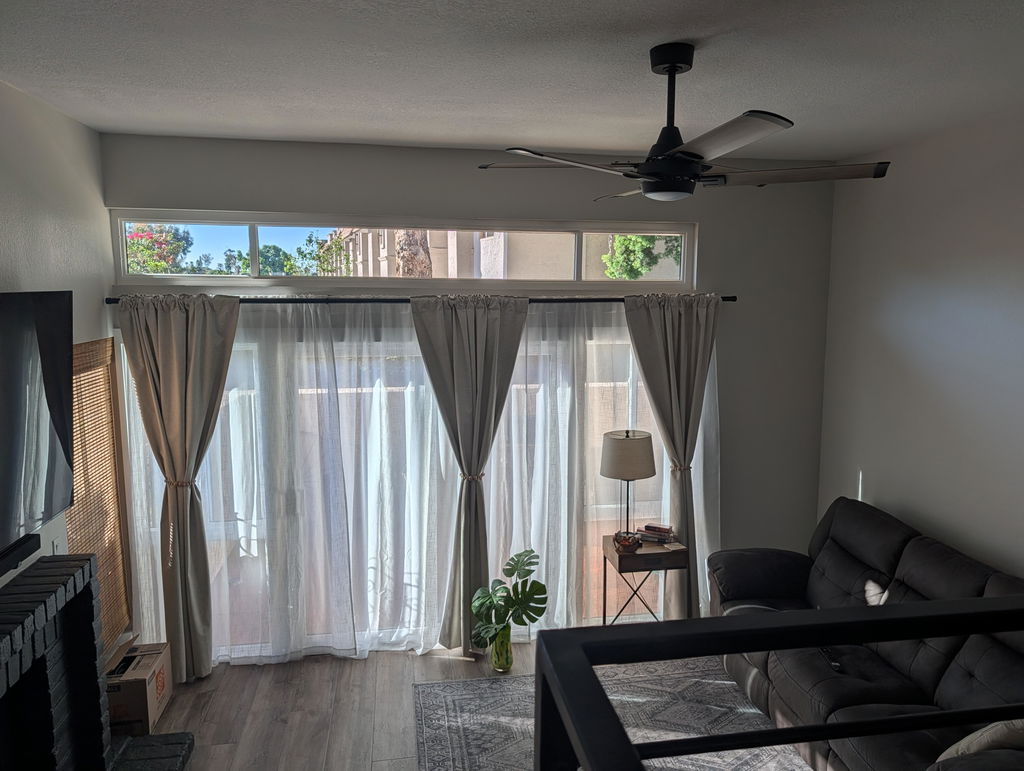
Often, leaving transom windows bare maximizes natural light. If privacy or blackout is required, installing your curtain rod above the transom—treating the door and the window above it as a single unit—creates a grander sense of scale.
Reimagining the Window
The challenge with special windows is rarely the shape of the glass, but rather the limitations of standard hardware. By shifting your approach from adapting standard rods to selecting specialized tracks, magnetic mounts, or smart automation, you address the functional needs elegantly. These windows are architectural assets. When dressed thoughtfully, they become the reason your room feels custom, refined, and exceptionally designed.
Before You Go…
Here are a few handpicked articles to inspire your next self-care moment.