How to Make Curtains Slide Easier on a Rod
At 6:45 on a cold January morning, Maya tried to open her bedroom curtains without waking her toddler. Instead, the rings jammed at the center joint, the rod shook, and the whole "quiet start" plan was gone in two seconds. If that sounds familiar, you are not dealing with a rare problem. You are dealing with friction, and friction usually has a fix.
If you are searching for how to make curtains slide easier on a rod, the smartest move is not grabbing the first spray bottle under the sink. First, figure out where the drag is happening. Then match the fix to the hardware. In this guide, you'll learn the fastest fixes to try first, how to make curtain rings slide easier on different rod types, and when it makes more sense to upgrade the setup instead of fighting it every day.
Quick Diagnosis: Where Is the Curtain Actually Sticking?

Before you buy anything, test the curtain in three places: the left side, the center, and the right side. That quick check usually tells you what kind of problem you have.
| Symptom | Most likely cause | Best first fix |
|---|---|---|
| Rings drag everywhere | Dust, residue, rough finish | Clean rod and rings, then apply dry silicone if needed |
| Rings stick at the center only | Telescoping joint or sleeve | Add glide tape, ramp, or replace the rod |
| Wood rings scrape a wood rod | Surface friction | Light cleaning, polishing, then wax or a low-friction liner |
| Curtain is hard to move only when fully closed | Weight or poor support | Check bracket count, rod sag, and curtain weight |
| Rod-pocket curtain bunches and drags | Heading style mismatch | Use rings or a more glide-friendly hanging method |
Most "curtain rod hard to slide" problems fall into one of those buckets. Once you know which one is yours, the fix gets a lot simpler.
Need better hardware, not another workaround? Browse NICETOWN curtain rods and window treatment hardware before you spend more time trying to rescue a rod that was never smooth to begin with.
Why Curtains Get Stuck on a Rod
Rough surfaces and built-up residue
Even a good rod gets grimy over time. Dust, cooking residue, aerosol overspray, and tiny scratches all increase friction. Metal rods can feel dull instead of slick. Wooden rods can dry out and become grabby.
If your main complaint is curtain rings getting stuck on rod along the full span, this is usually the first thing to check.
Take the curtain down and run your fingers over the top and front of the rod. If you feel rough spots, residue, or a seam, that is where the rings are catching too.
Rings that do not match the rod
Sometimes the rod is fine. The real problem is the ring size, ring material, or ring condition. Rings that are too tight will never move well. Bent rings, cheap seams, rough weld points, or worn inserts can also create a daily snag point.
That is why "how to make curtain rings slide easier" is often a ring question, not just a rod question. If the rings scrape, wobble, or look uneven when they are hanging empty on the rod, start there.
Telescoping joints, lips, and sleeves
This is one of the most common hidden causes. A telescoping rod has one section inside another. Where the two meet, there is often a small lip, sleeve, or height change. That tiny ridge is enough to stop a ring cold.
Priya ran into this exact issue in her rental after hanging lined curtains in the living room. The panels looked good, but every evening the rings caught where the smaller rod met the larger one. She kept trying to "open them more carefully," which never worked. Once she identified the center join as the real problem, the solution changed from random lubrication to a low-friction bridge over the joint.
Heavy curtains and weak support
Heavier panels create more drag. That matters even more with blackout curtains, lined drapes, and extra-wide windows. If the rod bows in the middle, the rings start working uphill. If the brackets are too far apart, the sag gets worse.
According to IKEA's BETYDLIG/RACKA/HUGAD buying guide, two brackets are used for rods up to 55 1/8 inches, while wider spans up to 110 1/4 inches need three. That is a useful reminder: smooth movement is not only about lubricant. It is also about support.
How to Make Curtains Slide Easier on a Rod: Start With the Fastest Fixes
1. Clean the rod and the rings
Start with the lowest-risk fix. Remove the curtains and wipe the rod with a soft cloth and mild soap solution. Dry it completely. Then clean the rings too.
Dust and residue on both surfaces create more resistance than most people expect.
If you have a wooden rod, do not soak it. Use a lightly damp cloth, then dry it right away.
2. Use a dry silicone product, not a sticky household oil

If cleaning helps but does not fully solve the problem, a dry silicone lubricant is usually the next best step. WD-40 says its Specialist Silicone Lubricant dries clear and is formulated not to attract dirt the way stickier products can. That is the main reason people reach for silicone on rods, rings, sleeves, and other moving hardware.
The key word is dry. You don't want a greasy coating that turns dust into paste. Spray the cloth first if you want more control, then apply a light layer to the rod.
Test a small section. Let it dry before rehanging the curtain.
3. Use wax only as a short-term fix
Wax can help, especially on a wooden curtain rod with wood rings. It can also help when you need a quick improvement and already know the rod surface is the issue. But it is not the best long-term fix for every setup.
If you use wax, apply it lightly. Too much buildup can turn into its own drag problem later. Think of wax as a fast patch, not a cure-all.
4. Test the rings with no curtain attached
Slide the rings on the rod without fabric weight. If they still hesitate, the issue is the rod, the ring, or the center joint. If they move well until the curtain is attached, your problem is probably weight, support, or heading style.
That one test saves a lot of guesswork.
Still not moving well? If your setup is wide, heavy, or clearly under-supported, use NICETOWN's how to install curtain rods guide before buying more products. The installation geometry may be the real problem.
Best Fix by Hardware Type
How to make metal curtain rings slide easier
Metal rings on a metal rod usually respond well to cleaning and dry silicone. If that does not work, inspect each ring seam. A burr or rough weld can scratch the rod and slow everything down.
If several rings feel rough, replace them instead of treating the symptom forever. Some premium ring systems use low-friction inserts for quieter movement, which is often the better answer for frequently used curtains.
How to fix wooden curtain rods that feel sticky
Wood-on-wood looks beautiful, but friction is part of the tradeoff. Start by cleaning the rod and checking for dry spots, flaking finish, or obvious drag marks. A light polish or very fine smoothing of the rough area can help. After that, a small amount of wax is often enough to improve glide.
James learned this the hard way after installing wood rings on a stained rod in his home office. For the first two weeks, everything looked perfect. By February, the curtains felt heavier every day.
He was ready to replace the whole setup, but the real issue was a dry, rough patch near the bracket. Cleaning the rod, smoothing the spot, and adding a small amount of wax solved the daily tugging without changing the look he wanted.
How to stop rings catching on a telescoping rod

If the curtain moves fine until it reaches the center, stop treating it like a general friction problem. It is a joint problem.
You have three main options:
- Add a low-friction tape or bridge over the joint.
- Use a rod system designed to help rings pass the join more smoothly.
- Replace the telescoping rod with a one-piece rod or glide-friendly track if the span and budget allow.
Ezyglide Tape positions its product as a 5-minute fix and sells rolls that are 10 feet long, which tells you how common this exact issue is. If you are comparing products, this is the category most shoppers mean when they search for curtain slide tape. Even if you choose another product, the principle is the same: you are trying to create a smoother path over the ridge.
What to do if rod-pocket curtains drag
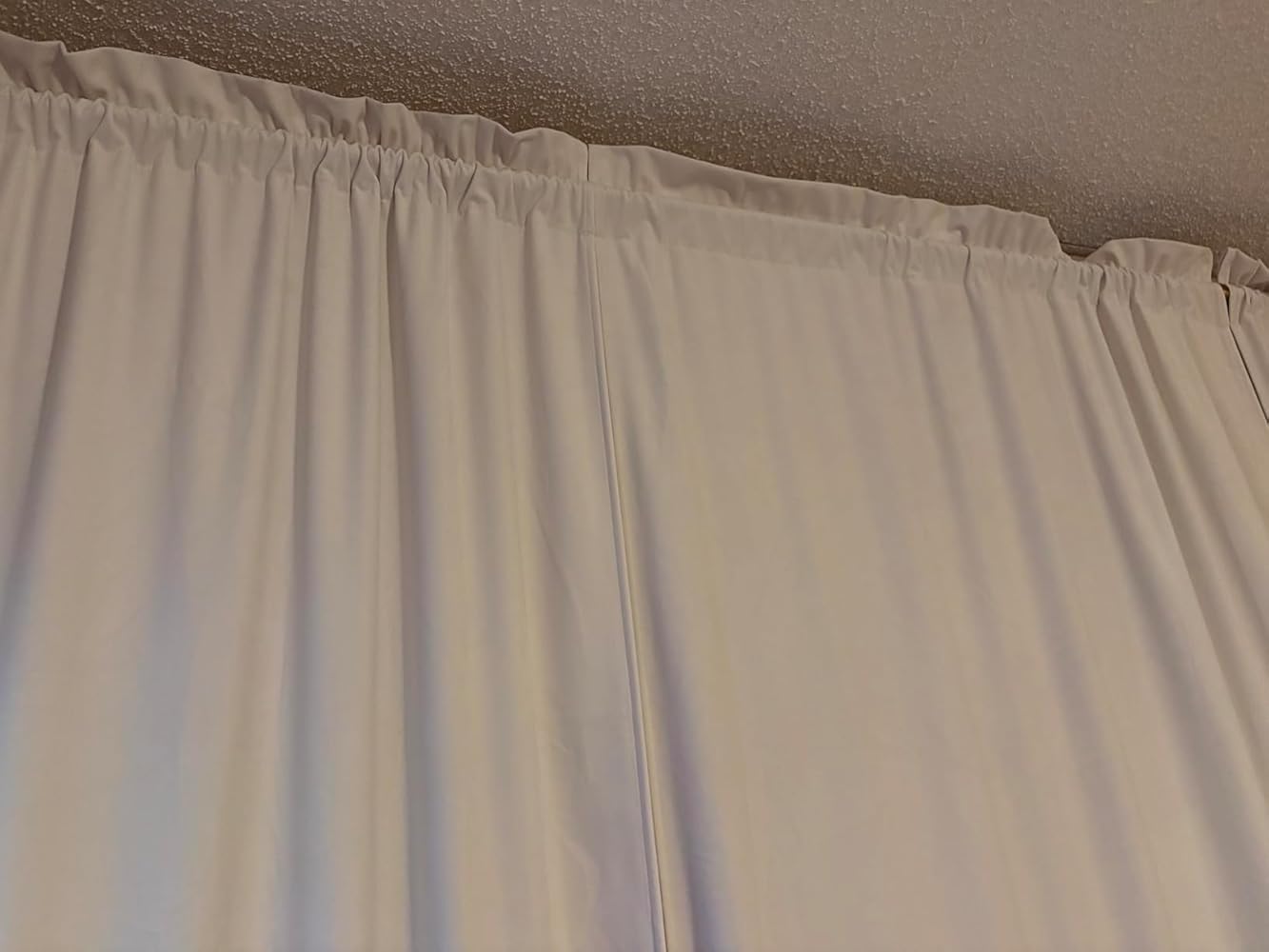
Some curtains are simply not designed for easy daily sliding. Rod-pocket panels often bunch tightly around the rod, especially with heavier fabrics. If you open and close them every day, that heading style will always create more resistance than rings or glides.
If the curtain itself is the bottleneck, the best fix may be changing the hanging method. For some panels, that means adding clip rings. For others, it means choosing a different curtain style the next time you buy.
How to Make Curtains Slide Easier on a Rod When the Setup Is the Real Problem
Check bracket count across wide spans

Smooth curtains need a stable rod. If the rod dips in the middle, the rings or fabric have to fight gravity as well as friction. That is why support count matters. More width and more weight usually mean more brackets.
If the rod is flexing, lubrication will not solve the root issue.
Check the weight of the curtain
Blackout curtains, lined drapes, and wide custom panels often need stronger hardware than basic sheers. The curtain may be beautiful, but if the rod, rings, and brackets were chosen for a lighter panel, the setup will feel clumsy from day one.
This is where a lot of homeowners get frustrated. They buy the curtain they need for privacy, insulation, or darkness, then wonder why it doesn't slide like a sheer panel.
For heavier setups, it helps to choose hardware built for the load. If you are pairing room-darkening panels with a new setup, browse NICETOWN blackout curtains alongside NICETOWN curtain rods so the fabric and hardware make sense together.
Check your rod width and curtain fullness
If the curtain stack is crammed into too little rod space, opening and closing will always feel tight. A rod that is too narrow leaves no room for the curtain to rest when open. A curtain that is too full for the rod also creates bunching and drag.
When you are not sure whether the problem is friction or fit, use the NICETOWN measurement guide. It is often the fastest way to spot a setup that was undersized from the start.
Check rod placement and clearance
Placement affects function as much as style. Window Workshop notes that many homeowners mount rods at least 200 mm above the window opening to improve proportion. That visual rule can also help function because it gives the curtain a cleaner line and can reduce awkward rubbing against trim or the sill.
If your curtain is scraping the sill, brushing a deep frame, or bunching into a nearby wall return, the drag may not be on the rod at all. It may be happening lower down.
If you are troubleshooting fit, spacing, or bracket placement, start with NICETOWN's curtain rod height guide and install guide. Those two pages are the fastest next step when a glide problem is really an installation problem.
When to Upgrade Instead of Keep Hacking
At some point, the smartest fix is not another spray, strip, or adjustment. It is replacing the part that keeps causing the problem.
You are probably ready for an upgrade if:
- the rings still scrape after cleaning and lubrication
- the curtain always sticks at the telescoping join
- the rod bows under the weight of the curtain
- the rings are too small for the rod diameter
- the heading style fights daily use
- the rod finish is chipped, rough, or inconsistent
Jordan reached that point in March after moving thicker bedroom curtains onto a decorative telescoping rod he already owned. The setup looked fine in photos. In real life, both panels jammed near the center and the rod sagged just enough to make the problem worse.
Instead of spending another weekend trying random fixes, he switched to stronger hardware with better support. The result was less noise, smoother movement, and no more yanking on the fabric every night.
If your curtain rod hard to slide problem keeps coming back, that repeating frustration is the signal. Upgrade the rings. Upgrade the rod. Or move to a track or glide-rod system that is built for daily movement.
FAQ: Common Questions About Sticky Curtain Rods
Can you lubricate a curtain rod?
Yes, but match the lubricant to the hardware. A dry silicone product is usually the safest place to start for metal, plastic, rubber, and mixed-material components. Avoid greasy household products that can attract dust.
What is the best lubricant for curtain rods?
For many setups, a dry silicone lubricant is the best first option because it reduces friction without leaving a sticky film. Wax can work on some wooden rods, but it is better viewed as a targeted fix than a universal answer.
How do you stop curtain rings getting stuck on a telescoping rod?
Focus on the join. If the rings snag where one rod section meets another, use a low-friction bridge such as glide tape, a pass-over aid, or a smoother rod system. General lubrication may help a little, but it will not fully remove a physical lip.
Why are my curtain rings hard to slide?
The usual reasons are residue on the rod, rings that are too tight, rough ring seams, a telescoping joint, too much curtain weight, or poor support across a wide span.
How do you make rod-pocket curtains easier to open?
Rod-pocket curtains are rarely the smoothest option for daily use. If you need easier movement, try rings, clips, or a heading style designed to glide more easily.
Conclusion
If you want to know how to make curtains slide easier on a rod, the answer is usually not "add more lubricant and hope." Clean the hardware first. Figure out whether the drag comes from the rod, the rings, the center join, or the setup itself. Then make the fix that matches the real cause.
For quick wins, start with cleaning, ring testing, and a dry silicone product. For recurring problems, check the support brackets, rod width, and curtain weight. And if the hardware keeps fighting you, stop patching it and upgrade it.
If you're ready for the long-term fix, explore NICETOWN curtain rods, accessories, and the measurement guide to build a setup that helps make curtains slide easier on a rod without the daily tugging.
Before You Go…
Here are a few handpicked articles to inspire your next self-care moment.