Curtain Rod Height Guide: Elevating Your Windows for Best Results
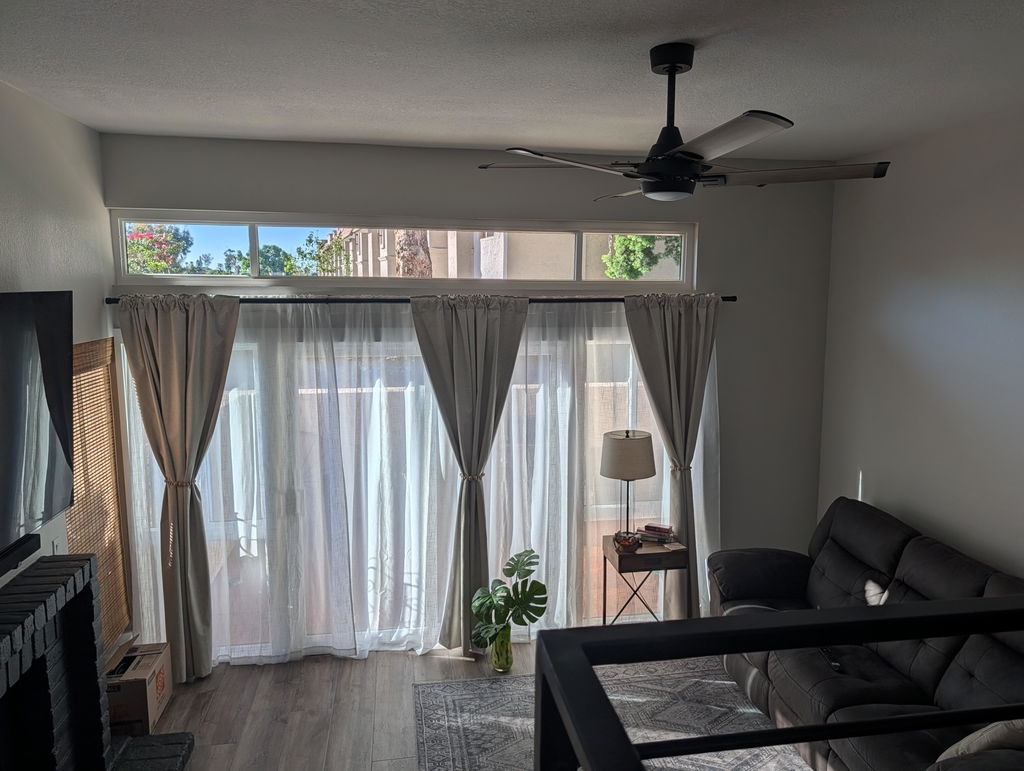
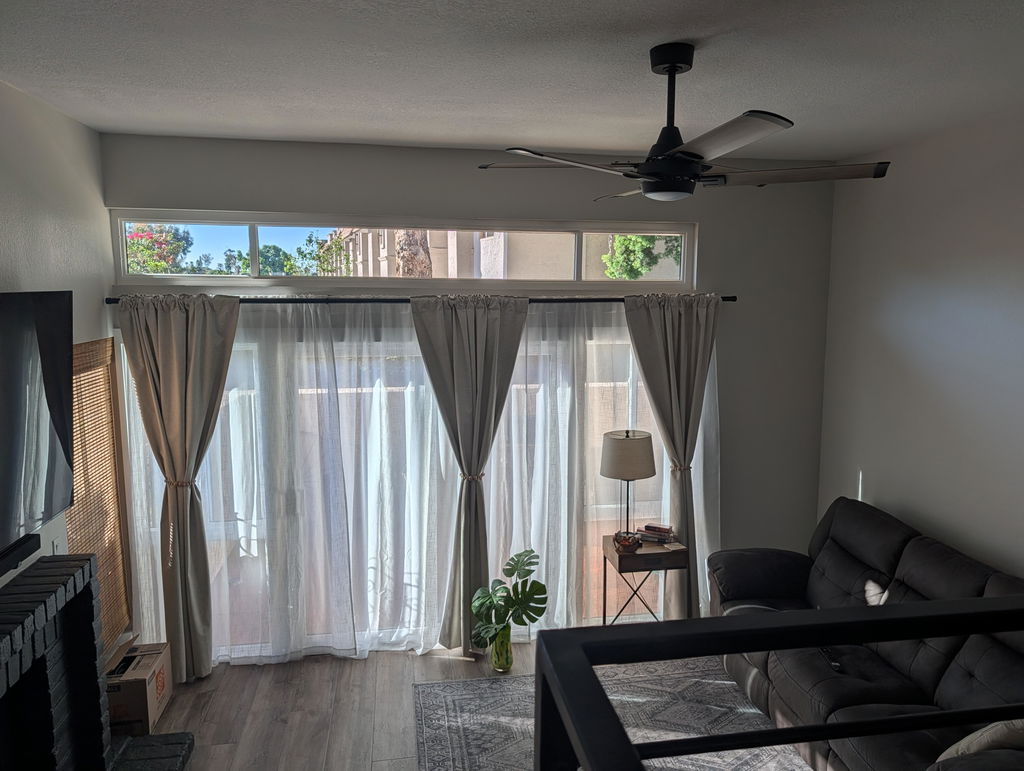
For years, a guiding principle of interior design has been to hang curtains "high and wide." By positioning the rod closer to the ceiling rather than immediately upon the window frame, you draw the eye upward. The ceiling feels taller, the room feels grander, and the window itself appears more substantial.
However, achieving this look requires precision. Applying this rule without confirming your curtain length or wall structure can result in drapery that sits higher than intended—or hardware that requires better reinforcement.
Before installation begins, it is helpful to have a plan that balances aesthetic ideals with the physical dimensions of your room. This guide explores how to find that perfect placement, whether you are refining a permanent residence or upgrading a rental home.
1. The "High and Wide" Approach (And When to Adapt It)

Designers frequently recommend hanging curtain rods 4 to 6 inches below the ceiling (or crown molding) to create a strong vertical line that maximizes visual height.
||product||Mounting the rod directly above the window frame can sometimes "cap" the window, limiting the sense of openness. Lifting the rod fills that space with fabric, adding texture and warmth to the room.
There are, however, instances where adapting this rule is beneficial:
- You are working with existing standard-length curtains (usually 84 inches).
- You are renting and prefer not to drill into the upper wall.
- Structural beams or vaulted ceilings require a specialized approach.
Key Takeaway: Verifying your curtain length is the essential first step before installation.
2. Step 1: Harmonize Curtain Length and Rod Height

A key to a polished look is ensuring the relationship between the rod height and curtain length is balanced. If the rod is mounted too high for the curtains, the fabric may float too far above the floor, disrupting the room's grounded, tailored aesthetic.
In the U.S. market, ready-made curtains come in standard lengths. Your rod height is guided by the length you select.
The Math Behind the Hang
Most standard homes have 8-foot ceilings (96 inches). Here is how the spacing works for common curtain sizes:
- If you select 84-inch curtains: Placing the rod near the ceiling may result in a gap at the floor. To have the curtains gently touch the floor, the rod should be installed roughly 84 to 86 inches from the ground. With standard windows often around 80 inches high, this typically allows for about 4 inches of space above the window frame.
- If you prefer the "High" look: 96-inch curtains are the ideal choice. This length allows you to mount the rod closer to the ceiling, achieving a custom, elevated appearance.
Budget Consideration: Longer curtains (96" or 108") are a premium choice. If working within a specific budget, positioning the rod closer to the frame to ensure the curtains reach the floor often yields a more polished result than hanging a rod high with shorter panels.
3. Step 2: Renter-Friendly Solutions (No Drilling Required)

If your lease limits drilling, you can still achieve a sophisticated look without permanent wall anchors.
The Tension Rod Update
Standard tension rods fit inside the window frame. While functional, they can limit natural light.
- The Upgrade: Consider tension rods designed to wrap around the window frame. These feature side extensions that allow curtains to hang in front of the frame, preserving the window's visual width.
Adhesive Heavy-Duty Hooks
For lightweight textiles (like sheers or unlined linen), heavy-duty adhesive hooks offer a practical alternative.
- Best Practice: Use two or three hooks per side for wider spans to ensure stability.
- Note: These are best suited for lighter fabrics. Heavier velvet or blackout curtains usually require more robust support to protect your wall finishes.
Tap-In Window Brackets
This is an excellent solution for renters. These brackets secure firmly into the top edge of your wooden window trim using just a hammer.
- Pros: Minimal wall impact; efficient installation.
- Cons: The height is determined by the window frame. While it offers a different aesthetic than the "ceiling-height" placement, it provides a sturdy and clean finish.
4. Step 3: Structural Integrity (Behind the Drywall)
If you are installing permanent hardware, understanding the wall structure ensures a secure hold.
The Structural Header
In most U.S. residential construction, a "header" exists above the window—a solid beam that supports weight.
- The Ideal Zone: The header typically extends 4 to 10 inches above the window frame. Installing your rod in this zone often allows you to anchor into solid wood, providing excellent stability without the need for wall anchors.
- The Drywall Zone: If you position the rod higher (e.g., just below the ceiling), you may be above the header. In this area, using heavy-duty toggle bolts or threaded drywall anchors ensures your curtains are safely supported.
Verifying Your Wall Structure
- The Tap Test: Gently tapping vertically up the wall can help; a solid sound suggests the header, while a hollow sound suggests drywall.
- The Magnet Method: A strong magnet can locate nails or screws in the studs or header.
- The Pilot Hole: Drilling a small test hole can confirm the presence of wood (shavings) or empty space, helping you choose the right hardware.
5. Step 4: Measuring & Marking (The Final Height)

Once you have your curtains and understand the wall structure, marking the placement ensures a level, professional result.
Floor Interaction Styles
Choose the aesthetic that suits your lifestyle:
- The Hover: The curtain hangs approximately ½ inch off the floor. This is practical for high-traffic areas, keeping the fabric pristine.
- The Kiss: The curtain barely touches the floor. This requires precise measuring and offers a highly tailored look.
- The Puddle: The curtain extends slightly onto the floor (usually 2–4 inches). This creates a romantic, luxurious feel, though it may require occasional adjusting.
Measuring for Hardware
Measure based on where the curtain fabric sits, rather than just the rod itself.
- Grommet/Tab Top: The curtain sits slightly below the rod. Measure from the top of the inside grommet ring.
- Rod Pocket/Back Tab: The curtain sits on or slightly above the rod.
- Rings: The curtain hangs from the bottom of the ring.
Pro Tip: A dry run is highly recommended. Place one curtain panel on the rod and hold it against the wall to visually confirm the length before marking the final bracket location.
Summary: Quick Decision Guide
| If you have... | And you want... | Then do this... |
| 8' Ceilings | Standard 84" Curtains | Mount rod ~4" above the window frame. |
| 8' Ceilings | High-End "Tall" Look | Buy 96" curtains; mount rod ~2" below ceiling. |
| Rental Apartment | No Drill Holes | Use tap-in brackets (on frame) or tension rods. |
| Heavy Drapes | Safety & Stability | Use toggle bolts if above the header; wood screws if in the header. |
| Uneven Windows | Uniform Look | Mount all rods at the height of the highest window. |
FAQ: Common Installation Questions
What if my window has crown molding?
If you have crown molding, allow about 2 to 3 inches of space below the molding. This provides visual breathing room and ensures you can easily access the finials (decorative ends) if you decide to refresh your curtains later.
How wide should the curtain rod be?
Width significantly contributes to the window's presence. Extending the rod 8 to 12 inches past the window frame on each side allows the curtains to be pulled completely open (the "stack back"). This reveals the entire glass pane and maximizes natural light, whereas a narrower rod might obscure the window edges.
Can I mix different rod heights in the same room?
Uniformity is generally preferred. Even if windows vary in size (e.g., a standard window and a patio door), aligning the rods at the same top height creates a continuous line that unifies the space. If heights vary significantly, mounting all rods at the level of the highest window is effective, provided the curtains are long enough.
Why does my rod sag in the middle?
If your window spans wider than 60 inches, a center support bracket is essential. This reinforcement prevents the rod from bowing over time, maintaining a clean line and ensuring curtains glide smoothly. Most wider rods include this bracket—utilizing it ensures a lasting, polished look.
The Final Polish
Hanging curtains is a high-impact way to elevate a room, and the difference lies in the details. By verifying your curtain length first and understanding your wall structure, you ensure a result that looks professional and remains secure. When in doubt, remember the updated guideline: go as high as your curtain length allows, and embrace width for a spacious feel.
Before You Go…
Here are a few handpicked articles to inspire your next self-care moment.