How to Choose Curtains That Match Your Home Style
Lena thought she was making the safe choice. Her condo living room was clean and modern, so she ordered flat white panels online and hung them the same weekend. By Monday, the room looked less polished than unfinished, and the curtains felt colder than the oak floors, the cream sofa, and the warm black metal rod she had picked so carefully.
That problem shows up in every style category, from modern to traditional. If you're trying to figure out how to choose curtains that match your home style, the real goal is not to find the trendiest panel. It is to choose a curtain that speaks the same visual language as the room, then layers in the right amount of privacy, blackout, softness, or structure.
This guide walks through that process in plain terms. You will see what works in modern, farmhouse, boho, industrial, and traditional rooms, plus how to choose fabric, heading style, length, and hardware without making the space feel forced. The result should look intentional, not overdesigned.
How to Choose Curtains That Match Your Home Style Starts With Style DNA
Before you compare colors or shop by fabric, step back and identify the room's style DNA. That means noticing the lines, textures, finishes, and mood the space already has.
A modern room usually leans clean, open, and edited. A traditional room often looks more layered and tailored. Farmhouse and cottage spaces feel softer and more relaxed.
Boho rooms welcome pattern and personality. Industrial interiors usually mix raw materials, darker accents, and simpler silhouettes.
What matters in 2026 is that these styles are not staying in perfect boxes. Fixr's 2026 Interior Design and Color Trends Report found that 71% of experts say stark minimalism is phasing out, 34% identified modern heritage as a key direction, and 77% said overly thematic decor is on the way out. That's useful guidance for curtain shopping because it means the best choices usually support the room's identity instead of shouting it.
Homes & Gardens is seeing the same shift in current curtain coverage, with 2026 window treatment trends leaning toward layered drapery, softer sheers, and more thoughtful details rather than flat, anonymous basics. In practice, that means even a very modern room often looks better with a little texture, and a traditional room usually feels fresher when the drapery is more restrained.
Here is a simple filter that works before you buy anything:
| If the room feels... | Look for curtains that feel... |
|---|---|
| Clean and minimal | tailored, smooth, lightly textured |
| Warm and layered | soft, relaxed, tactile |
| Collected and eclectic | expressive, patterned, or mixed |
| Formal and classic | structured, fuller, polished |
| Raw and urban | crisp, weighty, understated |
Want the fastest way to test that instinct? Order curtain swatches before you commit to a full set. It's much easier to judge a room's style match when you can compare texture, color, and weight against the actual wall, rug, and hardware.

Curtains for Modern, Minimalist, and Warm-Modern Home Styles
Modern rooms need clarity. That does not mean they need boring curtains.
The biggest mistake in modern spaces is choosing panels that are so plain they feel temporary. If the room has warm woods, soft upholstery, or matte black accents, a paper-flat white polyester curtain can make the whole space look colder than it is. The better move is usually a simple silhouette with controlled texture.
Best fabrics and colors for modern rooms
Start with fabrics that hang cleanly. Linen blends, refined cotton textures, and smooth woven blackout panels work well because they add depth without visual clutter.
For color, think in families rather than exact shades:
- soft white
- warm ivory
- stone
- flax
- greige
- muted charcoal
- dusty olive in rooms that need contrast
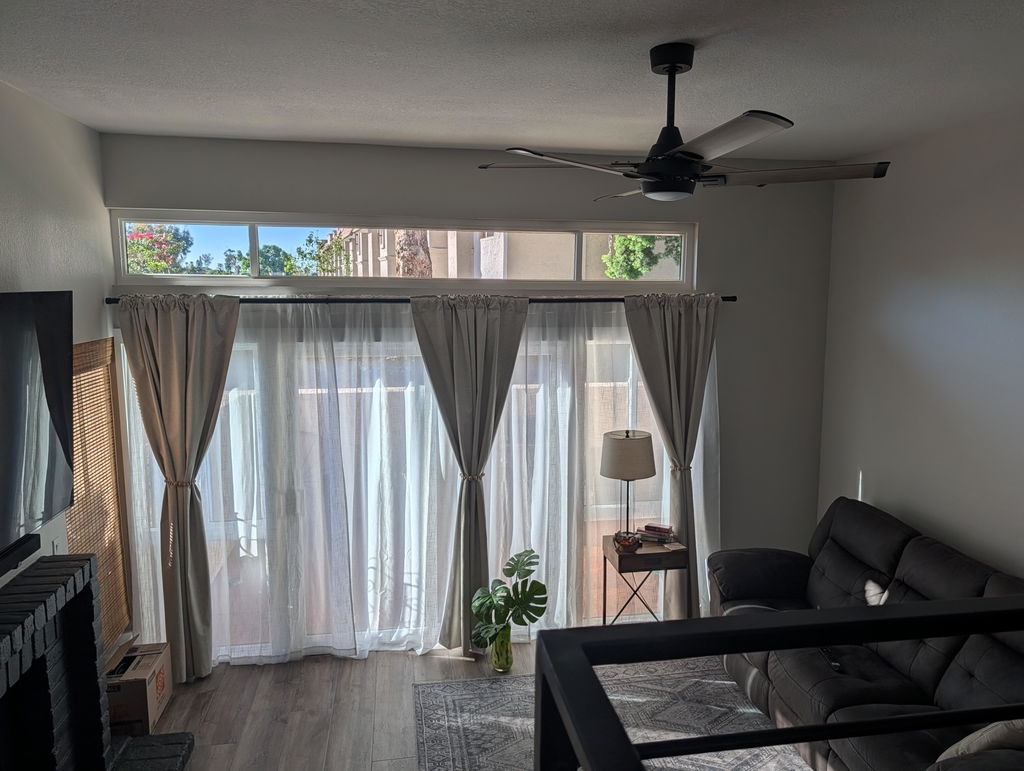
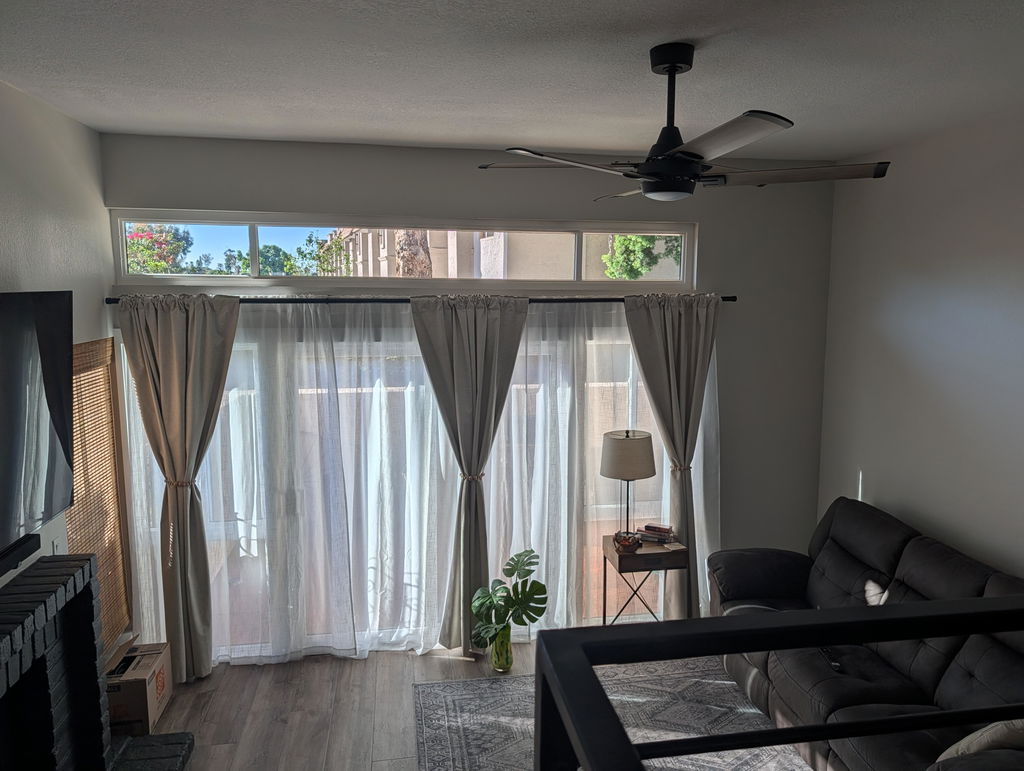
Lena made this shift after the white panels disappointed her. She swapped them for a warm ivory linen-look curtain with a cleaner drape and mounted the rod slightly higher. The room still felt modern, but now it also felt finished. The curtains connected the sofa to the floor instead of floating in between.
Heading styles and hardware that keep the look clean
If your room leans modern or minimalist, keep the top treatment clean. Grommets, wave-like drape styles, or structured pleats usually work better than highly decorative headers. Hardware should feel intentional, not fussy. Matte black, brushed nickel, or simple wood rods can all work depending on the rest of the room.
This is also where warm-modern and Japandi-style rooms split off from older minimalism. You still want simplicity, but you do not want the room to feel empty. In those spaces, subtle slub textures, oatmeal tones, and natural-finish rods usually land better than stark white on chrome.
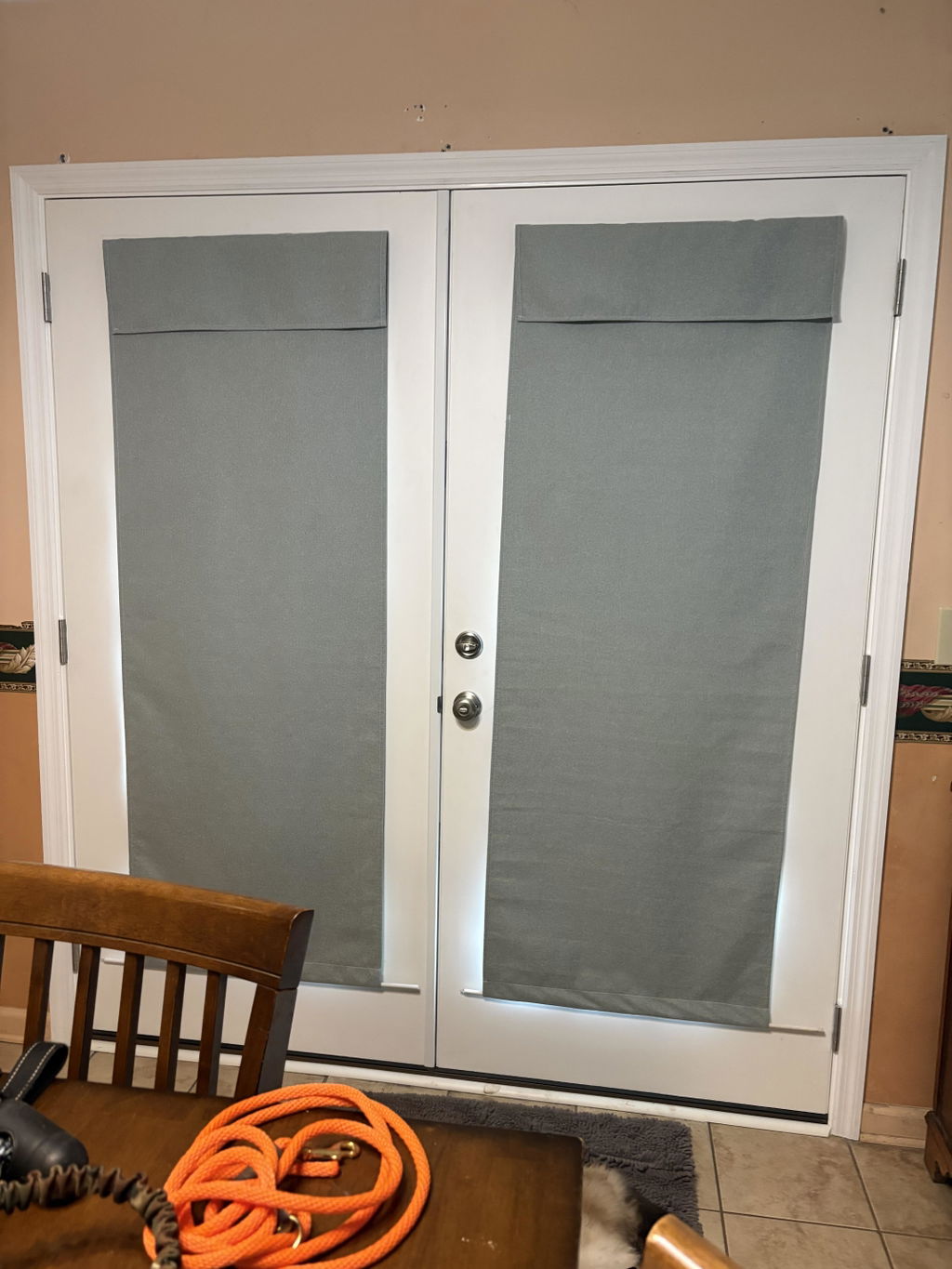
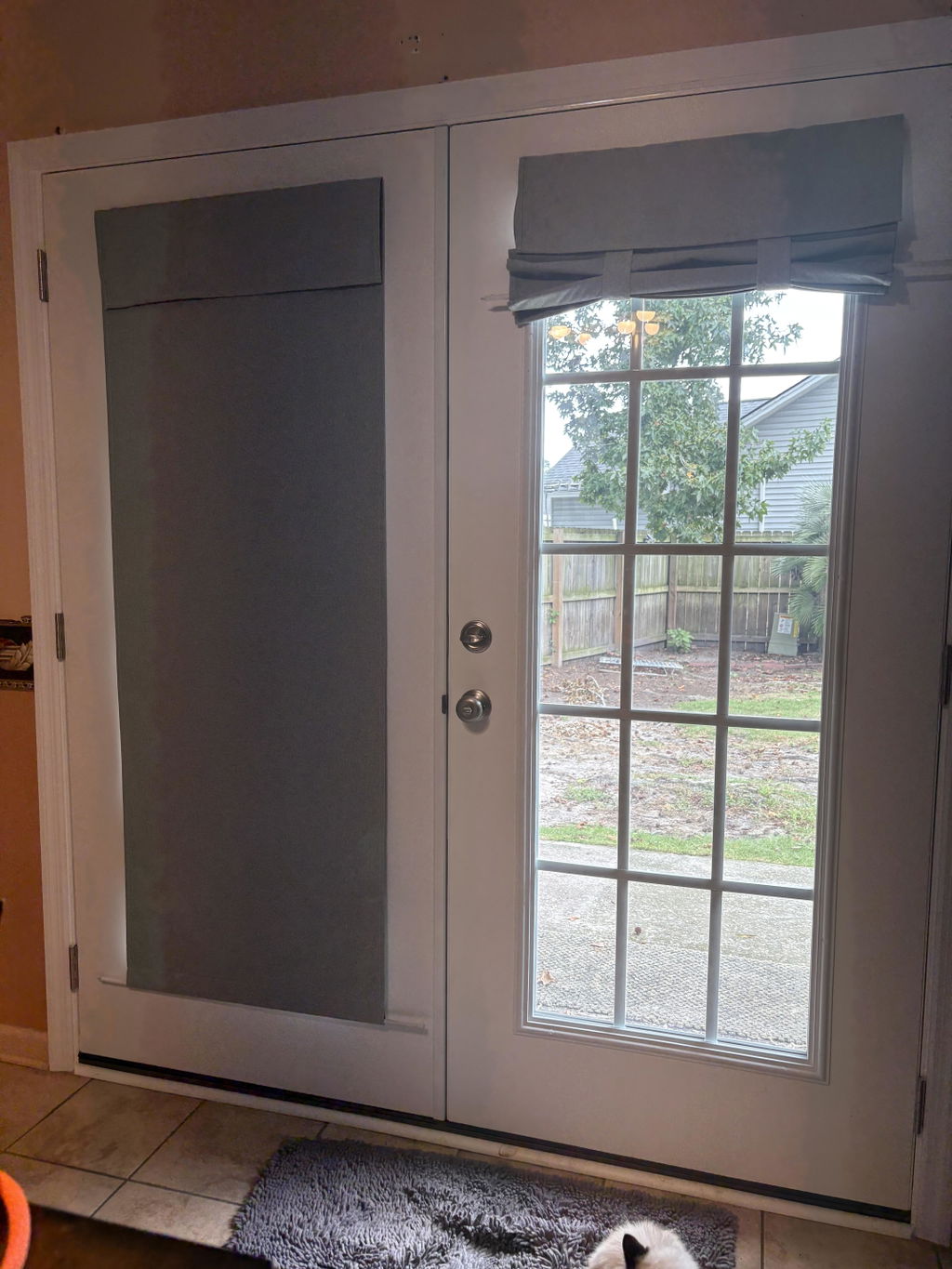
If the look you want is modern but the room still needs better sleep or glare control, start by narrowing to blackout curtains, then choose the least fussy fabric and heading style in that group. That keeps the function high without pushing the room toward a heavy, hotel-only look.

Curtains for Farmhouse, Cottage, and Boho Design Styles
These rooms have more room for personality, but they are also the easiest to overdo.
Farmhouse and cottage interiors usually benefit from softness, natural texture, and a relaxed silhouette. Boho rooms can handle more pattern, more layering, and more contrast. The common rule is this: let the curtains support the mood without becoming a costume.
What works in farmhouse and cottage spaces
In farmhouse or cottage rooms, linen looks, cotton textures, and slightly relaxed fullness often feel right. Colors that work well include:
- oatmeal
- flax
- warm white
- soft taupe
- muted sage
- dusty blue
Natural wood rods and simpler rings often suit these rooms better than shiny metal finishes. Floor-length curtains usually feel more current than short, gathered panels unless the window shape truly calls for a shorter treatment.
Daniel and Rosa ran into this in their family room. They loved the warmth of farmhouse interiors, so they first leaned toward check patterns and thicker decorative trim. Once they held samples up against their painted walls, reclaimed coffee table, and woven rug, the themed options looked too literal. A relaxed flax privacy curtain on a medium-tone wood rod gave them the same warmth with a calmer result.
What works in boho and eclectic spaces
Boho rooms give you more freedom, but structure still matters. If the room already has patterned pillows, colorful rugs, and mixed materials, the curtains do not need to compete for attention. Sometimes the right boho move is a warm neutral panel with noticeable texture. Other times, a stripe, block print, or earthy pattern is exactly what the room needs.
The easiest way to decide is to ask one question: does the room need more pattern or more breathing room?
If it needs breathing room, go with a textured neutral. If it needs personality, add pattern but keep the palette connected to something else in the room, like the rug border, artwork, or bedding.
For everyday living spaces that need privacy without losing the lighter feel these styles depend on, privacy curtains are often the better starting point than dense blackout panels.
Need a more tailored finish than a casual ready-made panel can give you? Custom curtains are useful when the room depends on exact length, fullness, or fabric choice to look intentional rather than improvised.

Curtains for Industrial and Urban Rooms
Industrial rooms work best when the curtains soften the space without erasing its edge.
That balance matters because industrial interiors already carry visual weight through brick, concrete, darker metals, black window frames, or leather. If you choose drapery that is too light and airy, it can feel disconnected. If you go too heavy, the room can start feeling flat and dark.
Fabrics, colors, and finishes that fit
Industrial-friendly curtains usually look strongest in colors like:
- warm gray
- charcoal
- mushroom
- tobacco
- olive
- stone
Texture matters more than ornament. Think linen blends, matte weaves, or denser blackout fabrics that fall straight instead of fussy. Hardware should usually echo the architecture. Black rods, aged bronze, or darker wood finishes often make more sense here than polished brass finials or ornate rods.
Nina's loft is a good example. She had tall black-framed windows, a walnut dining table, and a concrete-toned wall. Her first instinct was to soften the whole room with sheer white curtains.
The sheers looked pleasant on their own, but they dissolved against the scale of the room. When she switched to a full-length stone panel with a heavier hand and a darker rod, the space looked more grounded and the windows finally felt proportionate.
When to go darker and when to stay lighter
Go darker when the room gets good light and already has enough warmth from wood, textiles, or tan leather. Stay lighter when the room is narrow, north-facing, or already dominated by charcoal and black.
Industrial style is also one of the easiest places to use thermal or blackout functionality without hurting the look. According to the U. S. Department of Energy, about 30% of a home's heating energy is lost through windows, and about 76% of sunlight that falls on standard double-pane windows enters as heat.
That makes heavier, better-lined curtains a practical design decision in rooms with large glass areas, not just a decorative one.

Curtains for Traditional and Classic Design Styles
Traditional rooms usually need more polish than minimal rooms, but they do not need to feel heavy.
That distinction matters. A lot of people assume traditional curtain styles have to mean dark velvet, elaborate tassels, or dramatic puddling. Sometimes that works, especially in a formal dining room or a historic home. More often, the room looks better when the drapery keeps the structure of tradition but trims back the excess.
The traditional details that still work
If your room leans classic, look for signs that it wants structure:
- taller baseboards or crown molding
- paneled walls
- formal furniture silhouettes
- antique or antique-look wood tones
- symmetrical layouts
Those rooms often suit pleated drapery, fuller panels, richer neutrals, and more polished rods. Taupe, cream, mushroom, soft gold, muted blue, and deeper olive can all work depending on the palette. Fabrics can be a little richer too, such as linen with lining, smoother cotton blends, or velvet used with restraint.
Traditional rooms are also where refined details matter most. A neat pleat, a consistent floor break, and the right rod finish can do more for the look than a dramatic print.
How to keep traditional rooms from feeling dated
One of the easiest ways to modernize a traditional room is to simplify one part of the equation. If the furniture is carved and formal, keep the curtain color quieter. If the room already uses pattern heavily, choose a solid curtain with a better drape. If the rod has more decorative character, skip ornate trim on the fabric itself.
Current trend reporting supports that direction. Homes & Gardens is highlighting layered curtains, sheers, lined drapery, and updated pelmets in 2026, but the common thread is thoughtful detail, not visual heaviness.
That is a useful checkpoint for traditional spaces. Detail looks current when it feels considered. It looks dated when every element is competing at once.
For more formal rooms, this is also where exact fit matters. A slightly short panel or weak fullness stands out faster in a traditional room than in a casual one. If the style depends on a tailored look, compare ready-made curtains against custom curtains before you decide. The right option depends on how precise the room needs to feel.
Match Function, Hardware, and Length to the Style
Style gets the click. Function decides whether you still like the curtains six months later.
The Department of Energy notes that medium-colored draperies with white-plastic backings can reduce heat gains by 33%, and conventional draperies can reduce heat loss from a warm room by up to 10%. That matters because the right curtain for a bedroom, west-facing living room, or drafty older home should solve more than one problem at once.
Match the function to the room
Bedrooms usually need stronger light control, so blackout lining or fuller blackout panels make sense even in rooms that look soft and airy. Living rooms often need a middle ground, enough privacy for daily use, but not so much density that the room loses daylight. Dining rooms can swing either way depending on exposure and how formal the space feels.
Here is a practical shortcut:
| Room need | Best curtain direction |
|---|---|
| Better sleep | blackout curtains, fuller panels, tighter side coverage |
| Daytime privacy | privacy curtains, lighter textures, layered look |
| Big sun exposure | lined panels, thermal help, medium or darker tones |
| Drafty windows | denser fabric, better coverage, tailored width |
Match the rod and length to the room's mood
Rod finish should connect to something already in the room, the light fixture, the table base, the picture frames, or the flooring. If you ignore that step, even a good curtain can feel like an afterthought.
Length matters too. Floor-length usually looks the most current across styles. A slight break can feel tailored and clean. Puddling works best in more traditional or decorative rooms, and even then, it works better when used on purpose rather than by accident.
If you need help getting the proportions right, use NICETOWN's measurement guide before you order, then compare rod finishes in the curtain rods collection. Good style matching falls apart quickly when the hardware or hanging height is off.
How to Test Curtain Styles Before You Buy
Most style mistakes happen because shoppers judge curtains in isolation. A product page can show a beautiful panel and still tell you nothing about whether it belongs in your room.
Compare texture first, then color
Start by holding the sample or fabric option next to the wall, the largest upholstered piece, and the floor. Ask whether the fabric looks too smooth, too rustic, too formal, or too casual for the rest of the room. Only after that should you worry about subtle color differences.
Check the curtain at the time of day that matters most
If the room is a bedroom, check it in the morning and at night. If it is a living room, check it during the brightest part of the day. Window treatments always look different once the light is doing real work.
Review the whole formula before you click buy
Use this final checklist:
- Does the fabric fit the room's style?
- Does the color connect to at least one other major element?
- Does the heading style support the room, not fight it?
- Does the lining level make sense for the room's function?
- Does the rod finish belong with the rest of the hardware?
When Marcus helped his mother redo her guest room, they almost ordered a beautifully patterned panel because it looked charming on the product page. The sample told a different story.
Next to the room's tailored headboard, painted trim, and formal bedside lamps, the print felt too casual. They ended up with a soft mushroom pleated curtain that looked simpler in isolation but much better in the room. That's how style decisions usually work. The room decides, not the product thumbnail.
For a broader buying checklist on fabric, heading style, and hardware, NICETOWN's curtain buying guide is the best companion to this style-focused article.
FAQ
What curtains look best in a modern home?
Modern rooms usually look best with simple silhouettes, controlled texture, and restrained hardware. Linen blends, smooth woven panels, warm neutrals, and clean headers usually work better than ornate trim or overly formal pleats.
Are heavy drapes always traditional?
No. Heavier curtains can also work in industrial, urban, or bedroom spaces where blackout, privacy, or thermal performance matter. The difference is in the fabric finish, heading style, and hardware.
How do I choose curtains for a farmhouse room without making it look dated?
Start with texture instead of theme. Linen looks, warm whites, soft taupes, and natural wood hardware usually feel more current than overly literal checks, slogans, or exaggerated rustic details.
Can you mix modern and traditional curtain styles?
Yes. That mix often looks strongest now. A tailored pleated curtain in a warm neutral can bridge modern and traditional elements better than a very plain panel or a very ornate one.
What curtain style is safest if I am unsure?
A floor-length, lightly textured curtain in warm ivory, flax, mushroom, or soft greige is usually the safest choice because it works across many room styles and lighting conditions.
The Best Curtain Choice Sounds Like the Room, Not the Catalog
When curtains look right, they rarely announce themselves first. They make the room feel more coherent. The lines make sense.
The texture belongs. The hardware feels connected. The function is doing its job quietly in the background.
If you remember one thing, make it this: choose the curtain that matches the room's style language first, then tune the privacy, blackout, length, and rod finish to support it. That is the easiest way to move from modern to traditional, or anywhere in between, without buying something that looks right only on a product page.
Start with curtain swatches, narrow the function you need, and use custom curtains when the room depends on a more exact finish. That is how to choose curtains that match your home style without buying something that only looked right on a screen.
If you do that, you will not just end up with better-looking drapes. You will end up with a room that feels more settled every day, which is really the point of learning how to choose curtains that match your home style.
Before You Go…
Here are a few handpicked articles to inspire your next self-care moment.