Pinch Pleat and Pleated Curtains: How to Get the Custom Look (Without the Designer Price Tag)
There is a specific frustration that comes from hanging new curtains only to find they look nothing like the inspiration photo. Instead of thick, rhythmic waves of fabric, you often end up with flat sheets that look meager against the glass. The secret to that polished, high-end aesthetic isn't necessarily the price of the fabric—it’s the heading style. Switching from standard retail options to pinch pleat and pleated curtains changes the entire architecture of the window.
However, buying pleated curtains is not as intuitive as buying standard panels. The math is different, the hardware is different, and the installation requires specific steps. If you get the geometry wrong, even expensive drapes will look cheap. If you get it right, you can replicate a luxury custom look for a fraction of the cost.
Why Your Curtains Look Cheap (And Why Pleats Fix It)
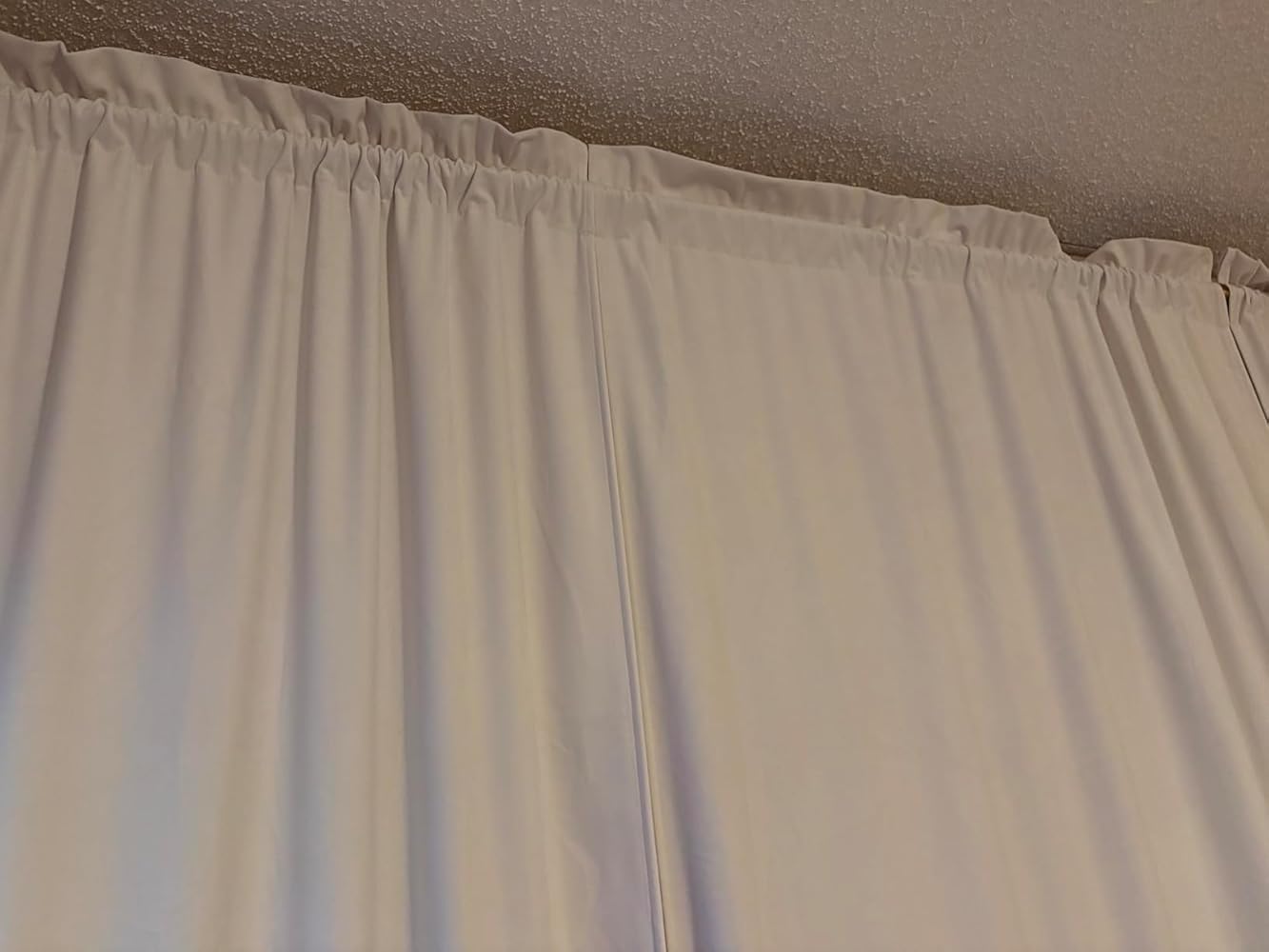
Most entry-level curtains rely on grommets—those large metal rings punched directly into the fabric. While functional, grommets create a casual, almost temporary aesthetic often associated with shower curtains. They force the fabric to stack in a wide, accordion-like fashion that consumes valuable window space and rarely hangs straight.
Pleated curtains operate differently. Because the fabric is pinched and sewn at the top, the curtain is forced to project forward and fold back in a consistent rhythm. This structure travels all the way down to the floor, creating those deep, uniform columns of fabric that characterize professionally designed rooms.
The other major visual difference is the "stack back." When you open pleated drapes, the sewn folds compress neatly and tightly. This allows you to expose more of the glass and lets the maximum amount of natural light into the room, whereas grommet or rod-pocket styles tend to bunch up unpredictably.

The Only Two Styles You Need to Know
While design textbooks list a dozen types of pleats, the modern American home really only calls for two main categories. Ignoring the complex, fussy styles of the past (like Goblet or Pencil pleats) simplifies the decision-making process significantly.
1. The Pinch Pleat (Classic & Transitional)
This is the gold standard for a tailored look. The fabric is gathered into folds and stitched permanently at the header.
- Double Pinch (Two-Finger): Two folds are pinched together, creating a V-shape. It is the perfect middle ground—tailored enough for a living room but relaxed enough for a bedroom. It uses slightly less fabric than the triple pinch, making the "stack" narrower when open.
- Triple Pinch (Three-Finger): Three folds are stitched together. This creates a very full, fan-like top. It is the most traditional and formal option, ideal for dining rooms or spaces with high ceilings where you want maximum volume.
2. The Euro or Inverted Pleat (Modern)
Often called the "Top Pinch" or "Tailored Pleat," this style creates a flat face. The fabric is pinched at the very top edge of the header, but the bulk of the fold is pushed to the back. From the front, it looks like a clean, waterfall line without the decorative "pinched" detail visible. This is the preferred choice for modern, minimalist, or industrial interiors.

| Feature | Double Pinch Pleat | Triple Pinch Pleat | Euro / Inverted Pleat |
| Visual Vibe | Soft, transitional, elegant | Formal, heavy, traditional | Minimalist, clean, architectural |
| Fullness | Medium volume | Maximum volume | Sleek volume |
| Best Room | Living rooms, Master suites | Dining rooms, Historic homes | Modern condos, Lofts, Offices |
| Fabric Usage | Moderate stack back | Wide stack back (needs space) | Compact stack back |
The Math That Matters: "Flat" vs. "Finished" Width
This is the single most dangerous part of buying pleated curtains. If you get this wrong, you will end up with curtains that physically cannot close over your window.
Standard curtains are typically sold by Flat Width. If you buy a 50-inch grommet panel, the fabric is 50 inches wide. Pinch pleat and pleated curtains are often sold differently.
The "Finished Width" Rule (The Safe Way)
Most custom-style retailers sell by Finished Width. This means the width listed is the width after the pleats are sewn in.
- The Math: Simply match your Rod Width.
- Example: If your rod is 100 inches wide, you need a total of 100 inches of coverage. You should buy two panels that are each 50-inch "Finished Width."
The "Flat Width" Trap (The Danger Zone)
Some budget retailers list the Flat Width of the fabric before it is pleated.
- The Problem: When you pull the strings to create the pleats, the curtain will shrink by about 50%. A 50-inch flat panel might only cover 25 inches of window.
- The Math: You must buy 2x to 2.5x your rod width.
- Example: If your rod is 100 inches wide, and you are buying "Flat Width" panels, you need roughly 200 to 250 inches of total fabric width to cover that window.
Summary: Always check the "How to Measure" guide on the specific product page. If it says "Sold per pleated width," buy your rod width. If it says "Sold per flat width," buy double.

Hardware: The "Spliced" Rod Solution
If you are upgrading from grommets to pleats, your existing hardware is likely the weak link. Pleated curtains hang from small rings that glide along the rod.
The Problem: Telescoping Rods
Most standard rods sold at big-box stores are "telescoping"—one pole slides inside another. This creates a "lip" or bump at the junction. Every time you try to close your pleated drapes, the rings will catch and snag on that bump. It ruins the experience.
The Solution: Spliced (Segmented) Rods
You used to have to order expensive custom "single piece" rods that required freight shipping. Today, the best solution is the Spliced Rod.
- What it is: These rods come in threaded segments (usually 1-2 feet long) that screw together seamlessly.
- Why it works: Once assembled, the rod is smooth from end to end—no telescoping bump. The rings glide perfectly, but the rod ships in a small box.
- Traverse Tracks: For the ultimate "hotel feel," consider a traverse track. These have internal carriers on a string system, allowing you to open heavy drapes with a simple pull of a cord or baton.
Where to Buy: The "High-Low" Matrix
You no longer need a trade account to access custom drapery. The market has bifurcated into distinct tiers.
Tier 1: The Budget DIY (Big Box Retailers)
- Strategy: Buying standard panels that come with "multi-functional tape" on the back.
- Pros: Extremely affordable and readily available.
- Cons: You must do the pleating yourself using specific hooks. The pleats are never quite as sharp as machine-sewn ones, and sizing is limited to standard lengths.
Tier 2: Online Custom Specialists (The Sweet Spot)
- Strategy: A new wave of direct-to-consumer brands now offers "semi-custom" drapes. You input your exact height and width to the inch.
- Why: These companies sell by "Finished Width," utilize heavy memory-shaped fabric, and offer legitimate pinch pleats for a price that is only slightly higher than standard retail.
- Pros: Custom fit, heavy liners, and "memory training" (where the drapes are steamed at the factory).
- Cons: Shipping typically takes 2-3 weeks as they are made to order.
Tier 3: Premium Mall Retailers
- Strategy: Buying off the shelf from high-end home decor stores.
- Pros: Easy returns and typically high-quality fabrics like Belgian flax linen.
- Cons: Fixed sizes only. If you have 9-foot ceilings, standard panels may be too short or too long, forcing you to pay extra for professional hemming.
Tier 4: Full Service Workrooms
- Strategy: Full white-glove service with a local designer.
- Pros: Infinite fabric choices, professional measuring, and installation included.
- Cons: Expect to pay 5x to 10x the price of the online custom specialists.
Installation: Steam, Then Train
Hanging the curtains is not the final step. If you hang them and walk away, they will flare out at the bottom like a triangle. To get them to hang in straight, architectural columns, you must "train" them.
Step 1: The Steam (Crucial)
Do not tie up wrinkled curtains. You must relax the fibers first. Once the curtains are hung, use a handheld steamer to release all packaging creases. Steam from the top down. The heat and moisture relax the fabric, making it pliable for the next step.
Step 2: Hand Fold and Tie
While the fabric is still slightly warm/damp from the steam:
- Open the curtains fully.
- Follow the pleats at the top and fold the fabric by hand, accordion-style, all the way to the bottom hem.
- Ensure the folds are straight and uniform.
- Tie the folded column of fabric loosely with a ribbon or strip of fabric. Place one tie at the top, one in the middle, and one near the bottom.
- Warning: Do not tie them so tight that you crush the fabric; just snug enough to hold the shape.
Step 3: The Wait
Leave the curtains tied for at least 3 to 4 days. This sets the "memory" of the fabric. When you untie them, they will spring effectively into those perfect, vertical columns and stay that way.

Frequently Asked Questions
Q: Can I use clip rings instead of pin hooks?
Technically yes, but you shouldn't. Clips pinch the top of the fabric and ruin the look of the pleat. They also add extra length that messes up your measurements. Use the pin hooks that usually come with the drapes—they hide behind the pleat for a floating look.
Q: My curtains are dragging on the floor. Do I need to hem them?
Check your pin hooks first. Most pin hooks are 3 inches long. You can simply pull the hook out and re-insert it higher up on the back of the pleat. This pulls the curtain up off the floor without any sewing.
Q: Do I need a liner?
Yes. Unlined pinch pleats look flimsy because the sunlight blows out the color and reveals the window frame behind the fabric. A "Privacy Liner" adds weight for better hanging, while a "Blackout Liner" provides maximum volume and light control.
Final Checklist
Achieving the custom look is a process of geometry and preparation. If you follow the steps, the result is a transformation that elevates the perceived value of the entire room.
- Measure Rod Width: Buy 1x width if buying "Finished/Pleated" panels, or 2x width if buying "Flat" panels.
- Upgrade Hardware: Use spliced rods or traverse tracks to ensure smooth movement.
- Choose the Sweet Spot: Look for online custom specialists to get exact sizing without the local workroom price.
- Steam BEFORE you tie: This is the secret to permanently setting the pleats.
Before You Go…
Here are a few handpicked articles to inspire your next self-care moment.