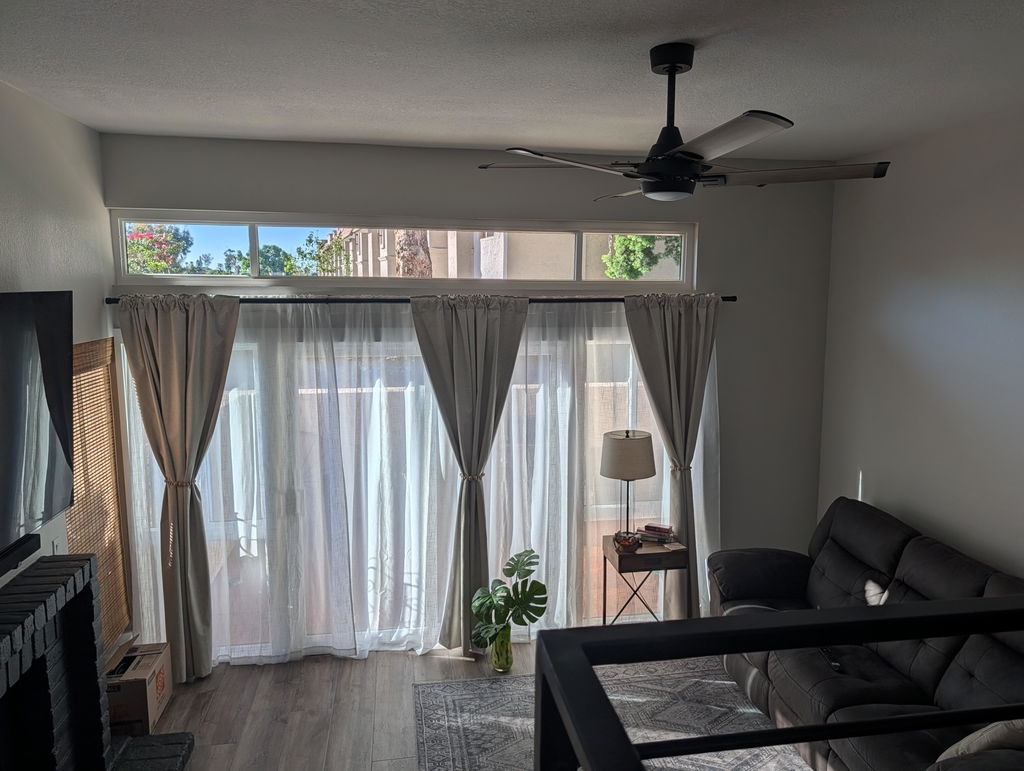
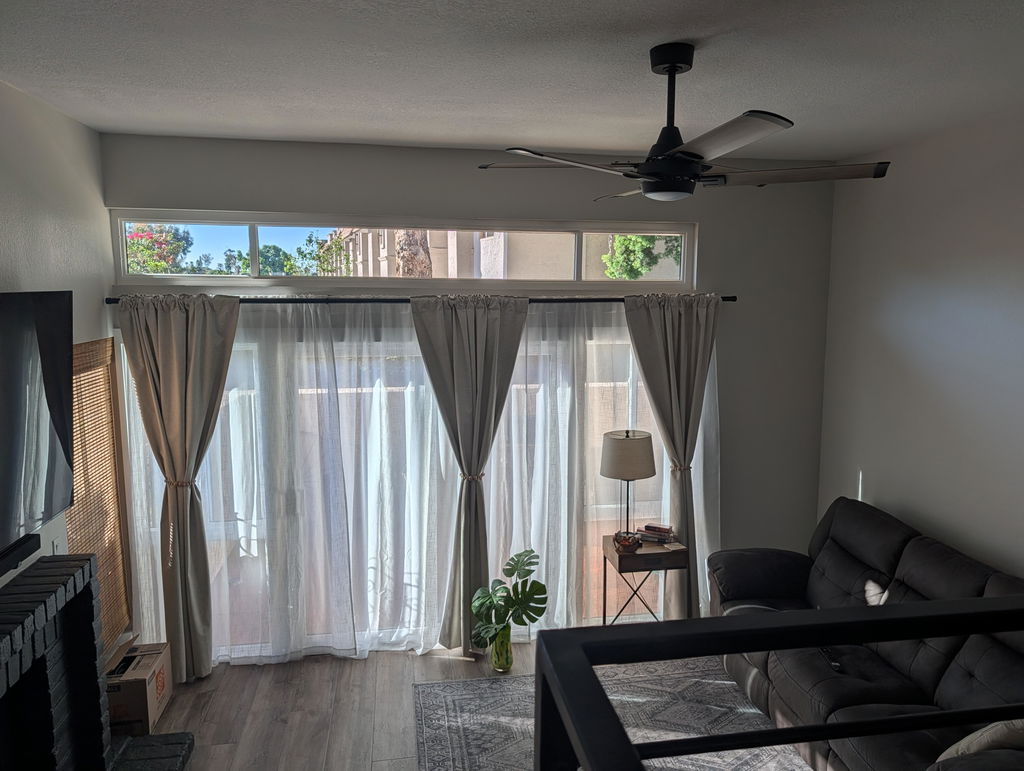
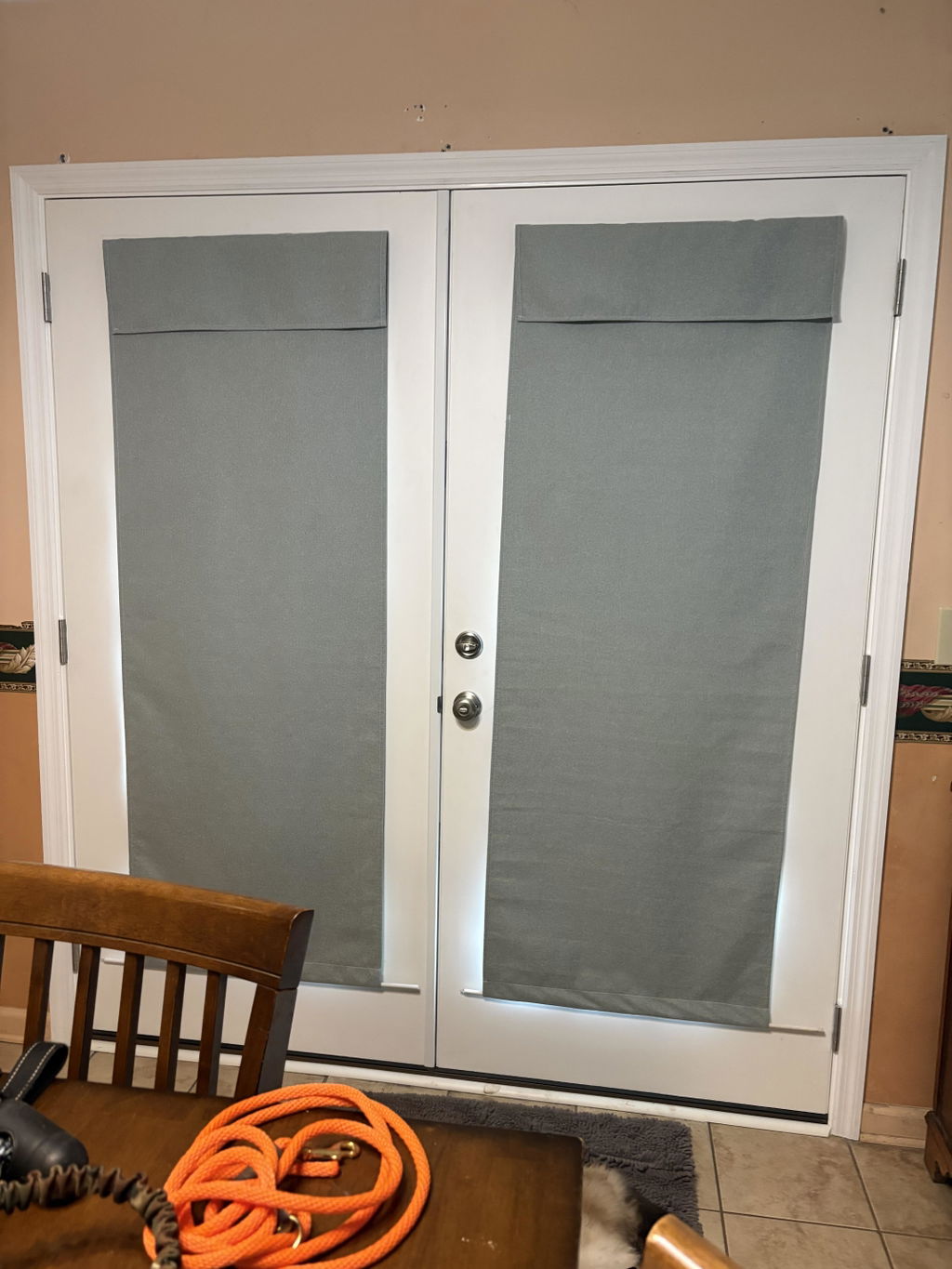
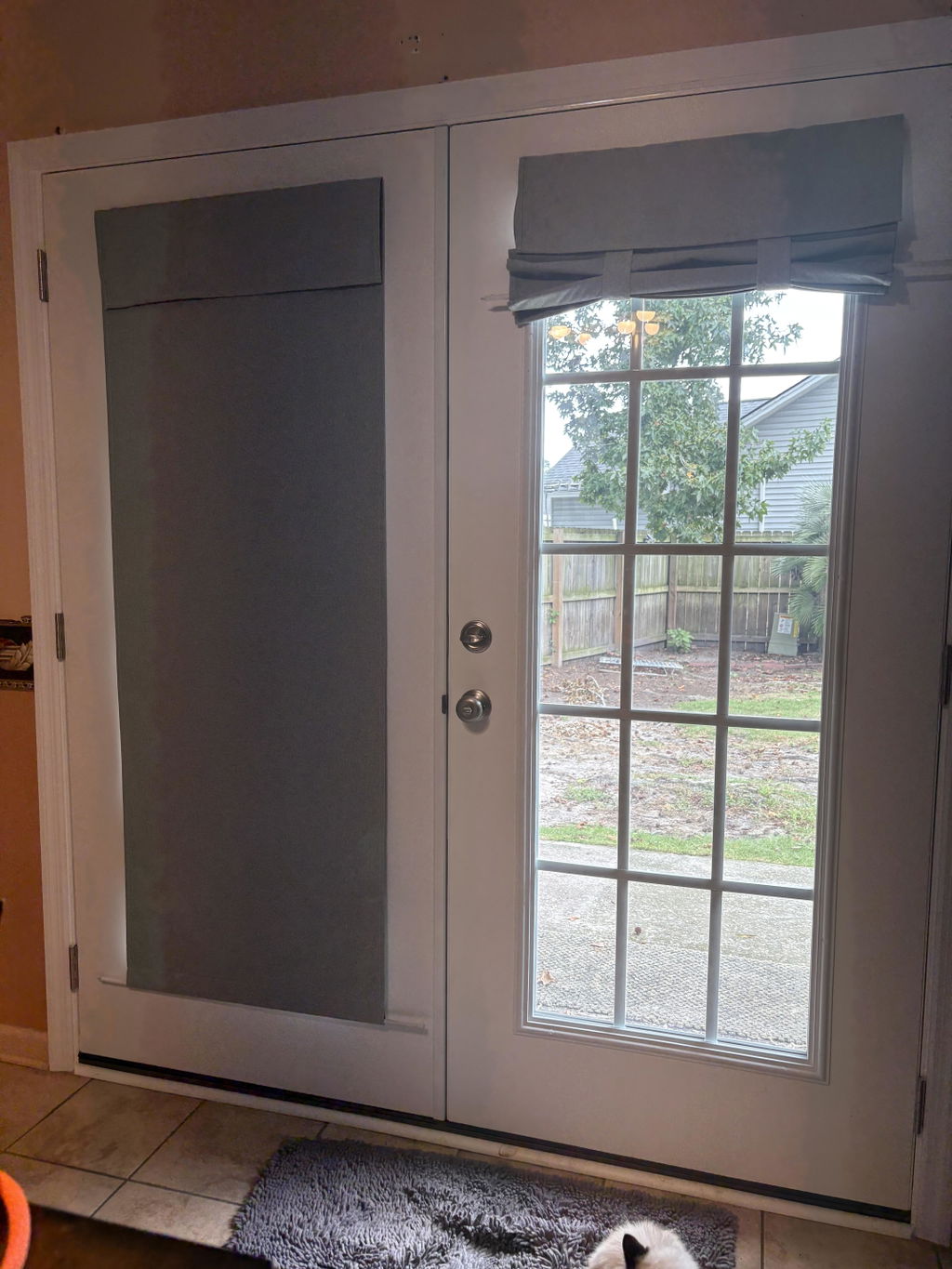
Natural vs synthetic curtain fabrics: which is best?
Adding fabrics labeled "100% Cotton," "Polyester Blend," and "Linen Look" to your shopping cart may feel overwhelming when selecting curtains. Buying either natural or synthetic is not universally better, though. It all comes down to your priorities: how the curtains drape and flow, how much you want to spend, how low maintenance you want your curtains to be, and any environmental or health concerns.
The short answer: it depends on what matters most to you
Setting the priorities straight is the most helpful part. Here's what drives most decisions:
If you need to block light or save energy, the fabric matters less than the liner. A 100% cotton curtain with no liner is useless for a shift worker trying to sleep during the day. A polyester curtain with a 3-pass blackout coating blocks nearly all light. When shopping for blackout or thermal performance, check the liner first, then worry about the face fabric.
If budget is the main concern, polyester or a polyester-blend gives you the most value. They're durable, inexpensive, and require little maintenance.
If you care about indoor air quality, look for OEKO-TEX or GOTS certified fabrics that avoid chemical treatments. Many "wrinkle-free" polyester blends use formaldehyde resins during manufacturing, which can off-gas into your home. Parents shopping for nurseries should consider this more carefully than abstract environmental concerns about landfill biodegradability.
For low maintenance, synthetic fabrics generally come out ahead. They can be machine washed, resist wrinkling, and need no special care.
For more texture and better hand feel, natural fabrics or blends with higher natural fiber content tend to perform best. While modern synthetics can closely mimic the look of cotton and linen, many people can still tell the difference in terms of drape, texture, and breathability.
Most customers find themselves at the mid-range point. Synthetic blends continue to appeal to this group because they offer a balance of natural feel and practical convenience.

Natural fabrics
All-natural curtain textiles originate from either plants or animals. The most common options are cotton, linen, silk, and wool.
Cotton is the most widely used natural curtain fabric. It breathes well, takes dye evenly, and feels soft to the touch. Cotton wrinkles easily, though, and without proper care it can shrink and fade in sunlight. Untreated cotton absorbs moisture, so if you're in a humid climate, keep that in mind. Most cotton curtains sold in the US come with liners (blackout or thermal), which addresses concerns about fading and light control.
Linen, made from the flax plant, has seen a surge in popularity in recent years. Its natural texture fits with farmhouse, boho, and organic modern styles trending at Pottery Barn, West Elm, and Restoration Hardware. Linen drapes elegantly and handles heat well. It wrinkles easily, but many people now embrace this relaxed, lived-in look. If you prefer crisp, smooth drapes, linen may not be for you.
Silk offers unmatched draping quality and luminosity that filters light in a soft, luxurious way. It's expensive and requires professional care, so it's rarely used for everyday curtains.
Wool has excellent insulation and natural fire resistance. It isn't common for curtains due to higher cost and moth attraction if untreated, but in cold climates, wool curtains reduce heat loss through windows.
Velvet deserves mention as a major trend in US interior design. Most velvet curtains today are poly-velvet or cotton-velvet blends. Velvet offers the bridge between "luxury look" and "synthetic durability" that many shoppers want. It drapes heavily, blocks light well, absorbs sound, and adds texture without requiring pure natural fibers.
More broadly, natural materials cost more, need more care, and don't last as long in tough conditions compared to synthetic ones. However, they breathe better, offer more texture, and provide a more authentic feel.

Synthetic fabrics
Synthetic fabrics are made from petrochemicals and other chemical compounds. The main options for residential curtains are polyester and rayon.
Polyester is by far the most common curtain fabric. It's inexpensive, resists wrinkling, holds color well, and cleans easily. Quality varies greatly. Lower-end polyester can look and feel cheap (shiny, squeaky to the touch), while higher-quality options are matte, weighted, and more appealing. Many curtains marketed as having a "silk look" or "linen look" are polyester designed to mimic those materials. Faux silk polyester is a common variant worth knowing about when shopping.
Rayon (also called viscose) is a semi-synthetic fiber made from plant cellulose but heavily processed with chemicals. It has a nice drape and feels soft. However, rayon has some quirks buyers should know about: it shrinks when washed, loses strength when wet, and water spots terribly. If you try to spot-clean a rayon curtain with water, you may leave permanent ring marks. Cleaning must be done by dampening the entire fabric evenly, or the stains become permanent.
What about nylon and acrylic?
You may see these mentioned in older fabric guides, but they're not relevant for typical indoor residential curtains today.
Nylon degrades badly under UV exposure, losing 50-60% of its strength over a few years near windows and yellowing over time. You won't find 100% nylon curtains at mainstream retailers.
Acrylic (like Sunbrella fabric) is almost exclusively used for outdoor or indoor/outdoor applications. It's excellent for patios, pergolas, and sunrooms where UV resistance matters most. If you're shopping for standard living room or bedroom curtains at Target or Amazon, you won't encounter acrylic options.
How they actually compare
| Feature | Natural fabrics | Synthetic fabrics | Blends |
| Durability | Moderate, varies by type | High | Moderate to high |
| Care difficulty | Higher, often special handling | Low, machine washable | Low to moderate |
| Price range | $$-$$$$ | $-$$ | $-$$$ |
| Sun resistance | Lower, prone to fading | Higher | Moderate |
| Breathability | Excellent | Poor to moderate | Moderate |
| Wrinkle resistance | Poor | Excellent | Good |
Synthetic fabrics such as polyester are practical, budget-friendly, and easy to care for. However, low-end products may lack proper breathability and may look or feel cheap.

Why blends often make the most sense
Cotton wrinkles easily. Polyester isn't as breathable. Blends offer a middle ground.
A 50/50 cotton-polyester blend combines the comfort of cotton with the wrinkle-resistance of polyester. Both fabrics lose some of their best attributes, but the worst characteristics are avoided.
Linen-polyester blends mimic linen's texture while reducing aggressive wrinkling. A 60/40 linen-polyester blend looks like linen but is more practical overall.
The ratio matters. An 80/20 cotton-polyester blend resembles pure cotton more than a 50/50 option. Higher percentages of natural fiber mean more natural characteristics, both good and bad.
For most households, blends represent the sensible choice. You get reasonable comfort, acceptable durability, manageable care requirements, and moderate cost. Pure fabrics make sense for people with strong priorities at one extreme or another.
Face fabric vs liner: the distinction most shoppers miss
When shopping for curtains, many buyers focus entirely on the face fabric (cotton vs polyester vs linen) when the liner actually determines most of the functional performance.
Face fabric = Style. This is what you see and touch. It determines the look, drape, and texture of your curtains.
Liner = Function. This is what blocks light, insulates, and protects the face fabric from sun damage.
A cotton curtain with a 3-pass blackout liner will darken a room far better than an unlined velvet curtain. A polyester curtain with a thermal liner will insulate windows more effectively than unlined silk.
If you need specific performance, check the liner description before the fabric content. "Blackout" typically means a foam or polymer coating that blocks 95-100% of light. "Room darkening" blocks less, usually 70-90%. "Thermal" or "insulated" liners reduce heat transfer through windows.
What about indoor air quality?
The environmental impact of curtain fabrics is complicated, and there's no universally "green" option. But for many health-conscious parents, the more immediate concern isn't landfill biodegradability - it's what chemicals might be off-gassing into their nursery right now.
Formaldehyde and VOCs are worth knowing about. Many "wrinkle-free" treatments use formaldehyde resins. Some blackout curtains contain PVC or vinyl backings that off-gas harmful compounds, especially when heated by sunlight. These concerns are real and documented.
How to reduce exposure:
Look for OEKO-TEX certification, which means the fabric has been tested for harmful substances including formaldehyde, pesticides, and heavy metals. GOTS (Global Organic Textile Standard) certification goes further, prohibiting flame retardants and formaldehyde resins entirely.
Avoid curtains explicitly labeled "wrinkle-free" or "stain-resistant" unless they carry certification. These treatments often use chemicals you may not want in your home.
If you buy conventional curtains, wash them before hanging and air them out for a few days. Off-gassing is strongest when the product is new.
The broader environmental picture is more nuanced. Natural fibers biodegrade faster than synthetic ones, but cotton is water-intensive to grow. Polyester takes decades to break down but lasts longer, potentially reducing replacement frequency. Recycled polyester diverts plastic waste but still releases microplastics when washed. There's no perfect choice here.
Your true cost over 5 years
The true cost of curtain fabric doesn't stop at the purchase price.
Expect to pay $20 to $60 per panel for synthetic curtains, while natural fabric panels cost $40 to $150 or higher. That difference adds up when covering several windows.
Maintenance costs vary over time. Synthetics can be machine washed at home. Some natural fabrics require professional cleaning at $15 to $30 per cycle, though honestly most middle-class households just wash cotton curtains on cold and hope for the best, or never wash them at all.
Replacement timing is also a factor. Well-made polyester curtains can last 7 to 10 years with moderate sunlight exposure. Cotton curtains often fade or wear more quickly, lasting 4 to 6 years. Linen and silk can last longer than cotton, but they take more time and money to properly maintain.
Over a five-year period for a living room with 4 panels: budget polyester curtains might cost around $100 total. Mid-range cotton curtains could run $240 upfront, plus potential cleaning costs, and might need replacing midway through. The synthetic option often works out cheaper.
That said, the lower cost option needs to meet your needs in terms of aesthetics and feel for the savings to be worth it.

Practical tips for shopping
The touch test: Quality polyester feels matte and has some weight to it. Cheap polyester looks shiny and feels squeaky or slippery. If you're shopping in person, run your hand over the fabric.
The hang test: Lightweight synthetic curtains often flare out at the bottom and look cheap when installed. Look for weighted hems or consider adding curtain weights yourself. Heavier fabrics naturally hang better.
Wrinkle reality: Even poly-blend curtains arrive wrinkled from the package. Don't expect "wrinkle-resistant" to mean "ready to hang." You'll likely need a steamer or iron for any fabric.
Check the liner first: For blackout or thermal performance, the liner matters more than the face fabric. Read the product description carefully.
Choosing what's best for your lifestyle
What fabric works best should reflect your lifestyle.
Have kids, pets, and no time for delicate washing? Polyester or synthetic-heavy blend is your best option.
Buying for a formal living room where appearance matters more than convenience? Natural fabrics can be worth the extra investment and upkeep.
Need to sleep during the day? Ignore the face fabric and focus on the liner. Look for "100% blackout" with side sealing options.
Worried about chemicals in a nursery? Prioritize OEKO-TEX or GOTS certified fabrics over organic claims without certification.
Want the luxury look without luxury maintenance? Poly-velvet or cotton-velvet blends give you the aesthetic without requiring dry cleaning.
People have different opinions on synthetic and natural fabrics, but the reality is that both can range from low to high quality. Focus on what matters most to you, whether that's price, feel, durability, health considerations, or ease of care, and choose accordingly.
Before You Go…
Here are a few handpicked articles to inspire your next self-care moment.