Cotton curtains: The most quintessential fabric
For many reasons, cotton continues to be one of the most favored materials for curtains. Curtains made of cotton are cost-effective, versatile, and can be used almost anywhere. Cotton curtains are an ideal go-to option for your first apartment or your family home. This fabric's properties and care are the topics of the guide, as well as what to keep in mind before buying.
Why cotton is the go-to fabric for curtains
Here's why cotton is a popular choice among consumers:

The textile is breathable and doesn't trap heat or moisture, in contrast to synthetic materials. When a cotton curtain is in a room with good airflow, the curtain will sway and move with the breeze rather than behaving stiffly. This leads to a more relaxed and comfortable appearance that fits in both informal and semi-formal adornment.
In addition, cotton fabric is one of the most versatile in what colors it can be found in, and this is due to its unique ability to absorb dyes. Curtains made of cotton can be found in nearly every texture and hue, as well as various prints and intricate designs. In contrast to synthetic materials, the colors that cotton fabric absorbs are richer and more lifelike than polyester.
The quality of the texture is very pleasant. While soft enough to drape down nicely, it has enough structure to maintain its form. While it won't have the sharpened, tailored style that comes with thicker fabric, there is no need to worry about it looking flimsy or bunched up like thicker curtains tend to do.
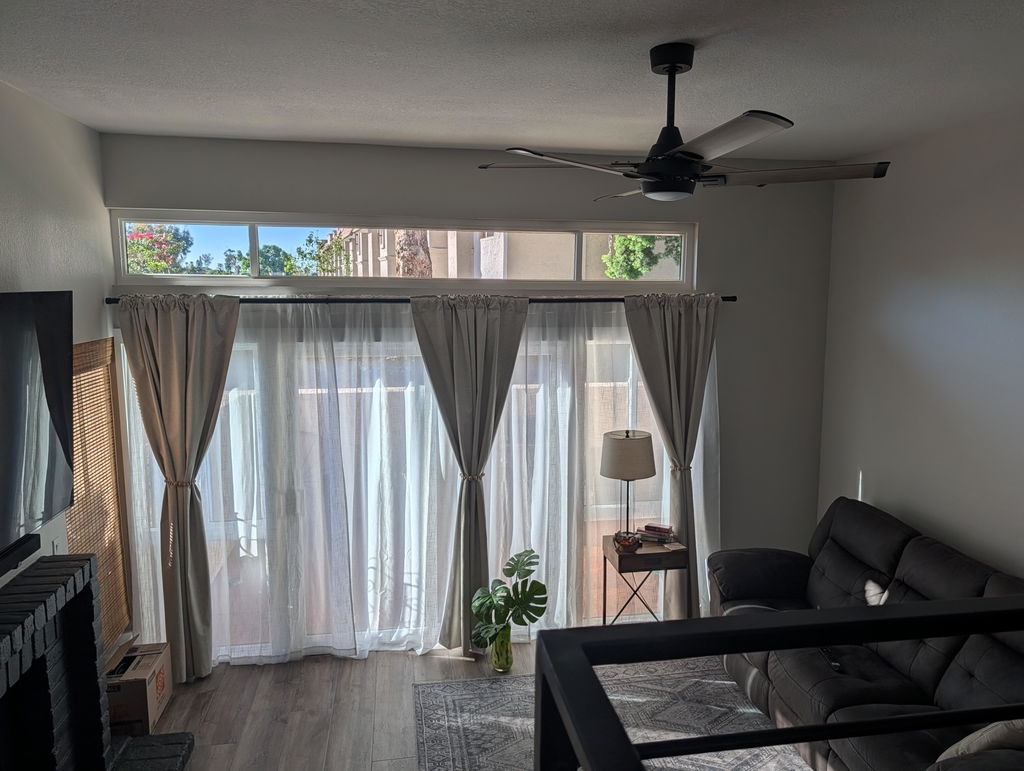
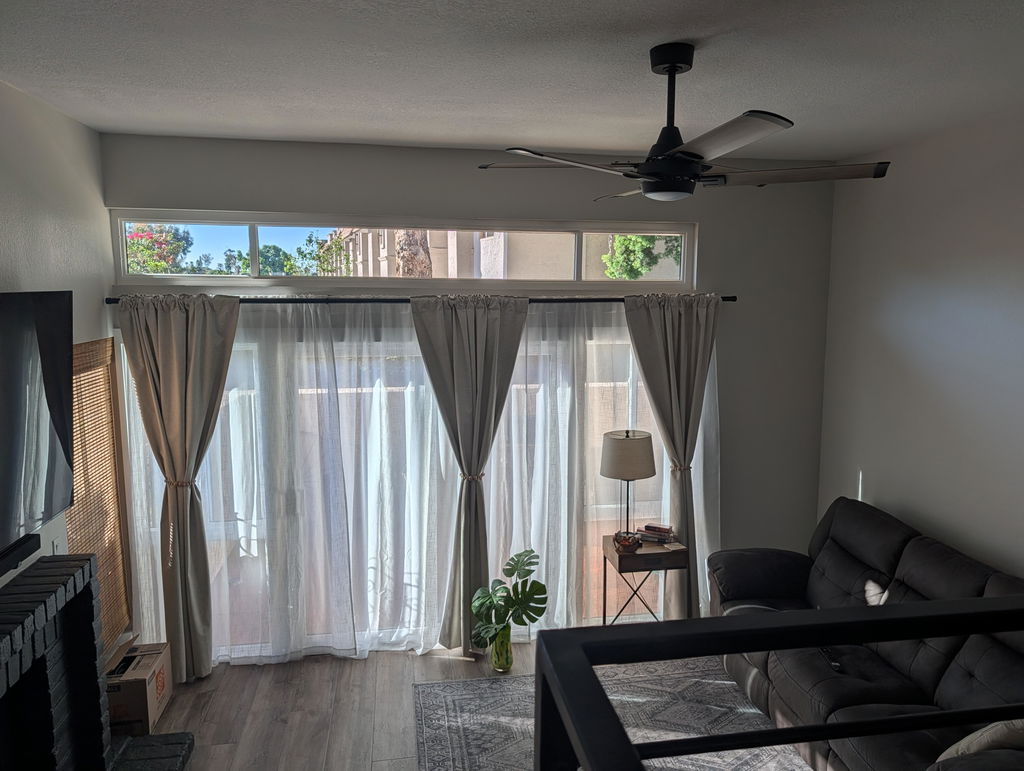
Cotton sits at a moderate level of light and heat control. Soft, bright light, diffused through cotton. If total blockage of light is necessary, one may need to switch to a different fabric or lined cotton.
Cotton curtains are hypoallergenic and don't off-gas the way some synthetic materials can, making them a healthier option for bedrooms or nurseries.
Care is simple and straightforward as most cotton curtains can be placed in the gentle cycle of a washing machine rather than requiring dry cleaning. This is a big benefit for households with children, as curtains can get dusty and stained and need to be washed, especially with children or pets.
Cotton feels appropriate all year round. No, seriously. The same curtains that let a room breathe during summer will never look out of place in winter. Therefore, you don't have to get summer and winter curtains.
Cotton is also sustainable. It is renewable and biodegradable. At the end of its life, it will not sit in a landfill for decades. Choosing organic cotton means the fabric was grown without synthetic pesticides or fertilizers.
Drawbacks to consider before purchasing
Cotton curtains will always have wrinkles. If you dry your curtains and immediately hang them, they will look a bit wrinkled. If you want your curtains to be wrinkle free, you will need to iron them after washing.

Shrinkage is a real possibility when it comes to cotton. If a curtain panel was perfectly fitted before washing, it will come out looking shorter than it was. The workaround to this problem is to purchase pre-shrunk fabric. If that isn't an option, washing the curtains before hanging them will also work. If you want to give yourself extra room, you should buy the panels a bit longer.
Contrary to popular belief, cotton doesn't mix well with humidity. Cotton has a chance to form mildew if it is in a consistently damp environment, such as unventilated bathrooms or regions with a high humidity climate. Therefore, if you live in a high humidity area, do not use this fabric for every room.
Over time, though, cotton will fade due to sun exposure. For example, if you have south-facing windows that get hours of direct sunlight, it will quickly bleach your curtains. To prevent this, use a lining to block the sun or come to terms with the fact that your curtains will be replaced often if you place them facing directly towards the sun.
The distinction between cotton and cotton blends
While cotton provides the most authentic look and feel, blends rectify certain weaknesses presented by cotton.
Cotton and polyester blends, especially when done in a 60/40 ratio or a 50/50 ratio, do not wrinkle as easily as pure cotton does. They are also less susceptible to shrinking and wear-and-tear over multiple washes. The tradeoff, however, is that there is a less natural drape and there is a slight sheen that pure cotton does not have.
For the most balanced combination of natural appearance and practicality, many households find a cotton-poly blend works well. Pure cotton should be obtained if natural fibers are a high priority or if there is a need for the specific drape and texture that is only achievable by 100% cotton.

To avoid disappointment for your specific needs, some curtains marketed as "cotton" might be blends, so you should check the fabric content label.
Tips to keep in mind when shopping
Weaving can impact the performance and look of your curtains when shopping. An example of a tighter and more uniform weave is a plain weave, which will result in a smoother and more even surface. Alternatively, looser weaves such as duck or canvas have a more textured look. Fabrics like muslin or voile provide a lovely, soft light filter but are less opaque.
Choosing lined vs unlined is important. Lined curtains block light, defend the face fabric from sun exposure, and add more curtain body. Unlined cotton curtains are cheaper and have a more lighthearted, casual look. For living areas where some light control is preferred, lining usually is more relevant. Unlined works well for kitchens or areas where you only want a bit of softness at the window.

Verify that the fabric has been pre-shrunk. This should be indicated on either the product description or care label. Pre-shrunk cotton allows for more predictable sizes and saves you from washing before hanging.
Consider the weight. Lightweight cotton is best for sheers and casual panels. Most standard curtain applications are handled adequately by medium-weight cotton. Heavier weights are appropriate for more formal settings or when you want to block light better but don't want to add a lining.
How much do cotton curtains cost
On average, you can expect to pay between $15 and $80 for cotton curtains, with the price fluctuating based on the number of panels you buy.
Basic, unlined panels in regular sizes and more common colors can be found for the lower price. These are fine for rentals, temporary setups, or rooms where the curtains are mainly functional rather than decorative.
Panels selling for around $30 to $50 have very good construction, have more color options, lining options, and are usually where most buyers are happy with their decision when it comes to value and quality.
Panels costing more have better construction with more refinement, better cotton, and upgraded grommets or hardware rings. If you are planning to get curtains that you are wanting to use for a long time, spending a little more for better quality as an initial long term investment is worth it.
With custom sizing for each window, blackout lining, and special weave patterns it all pushes the price up quite a bit. With most windows needing two panels, it can get quite expensive rather quickly.
Care and washing tips
To minimize the amount of shrinking when washing, cotton curtains should be washed at a cold (below 30°C/86°F) or warm (up to 40°C/104°F) setting, and do not use hot. It's recommended to use a gentle cycle and a mild detergent.
When you dry the curtains, you can either tumble dry at low heat or hang dry. It is best to remove the curtains right after to minimize wrinkles. If hang drying, the weight of the wet fabric should help pull out extra wrinkles.
You can iron the curtains if you feel the need to, and if you do, do it on a medium setting while the fabric is slightly damp. Cotton can tolerate heat well, so you shouldn't have to worry about scorching.
To avoid dust accumulation between washing intervals, vacuum clean the curtains monthly with the upholstery attachment. This will prolong the intervals between full washes while maintaining the curtains in good condition.
How cotton compares to other fabrics
Cotton is the middle ground between curtain fabric options.
Cotton has a more natural feel and look when compared to polyester, but it is more high maintenance. Polyester is visually less appealing but it does not fade or get wrinkled.
When put against linen, cotton is the more reasonably priced and less wrinkled option, however, some people gravitate more towards linen because of the unique texture.
Cotton is less formal, lighter, and less of a hassle to clean. Velvet is more superior in light blocking and insulation but is higher priced and requires more maintenance.
For a fabric that is natural, affordable and easy to clean, cotton is a solid choice that makes sense. It is a great fabric option for most rooms and homes.
Your practical starting point
Cotton curtains work for the majority of window treatment needs without demanding much from you in return. They're forgiving of different decor styles, easy to wash, and available at every price point. Start with the room's light needs and your tolerance for ironing, and the right cotton option will narrow itself down from there.
Before You Go…
Here are a few handpicked articles to inspire your next self-care moment.