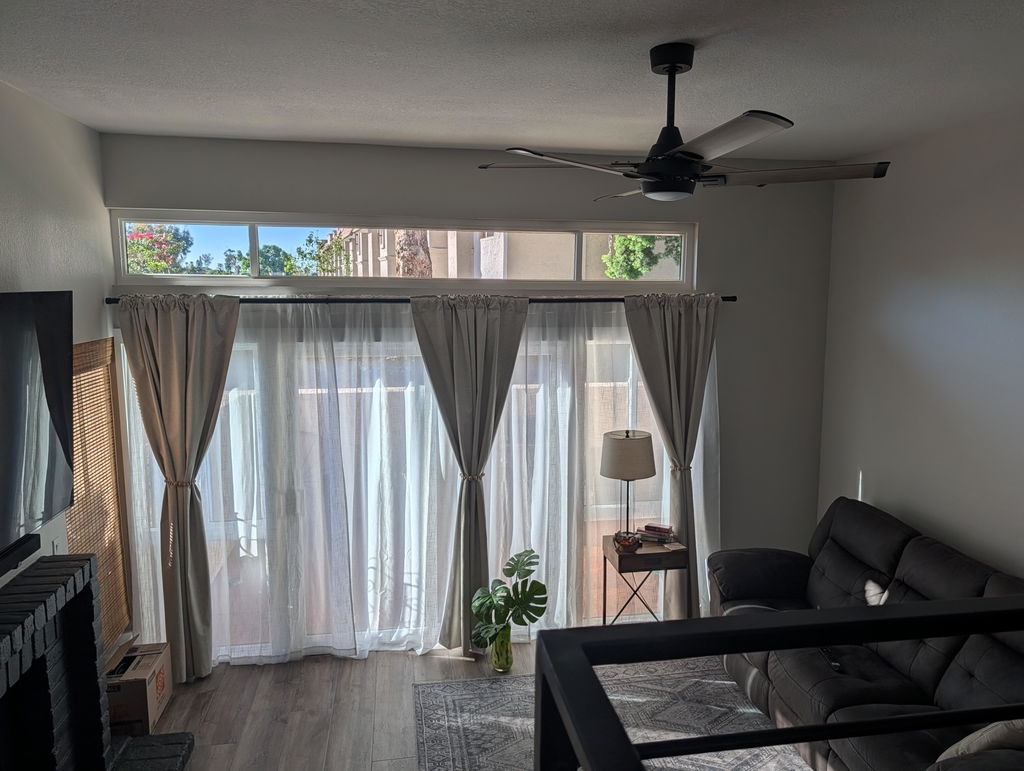
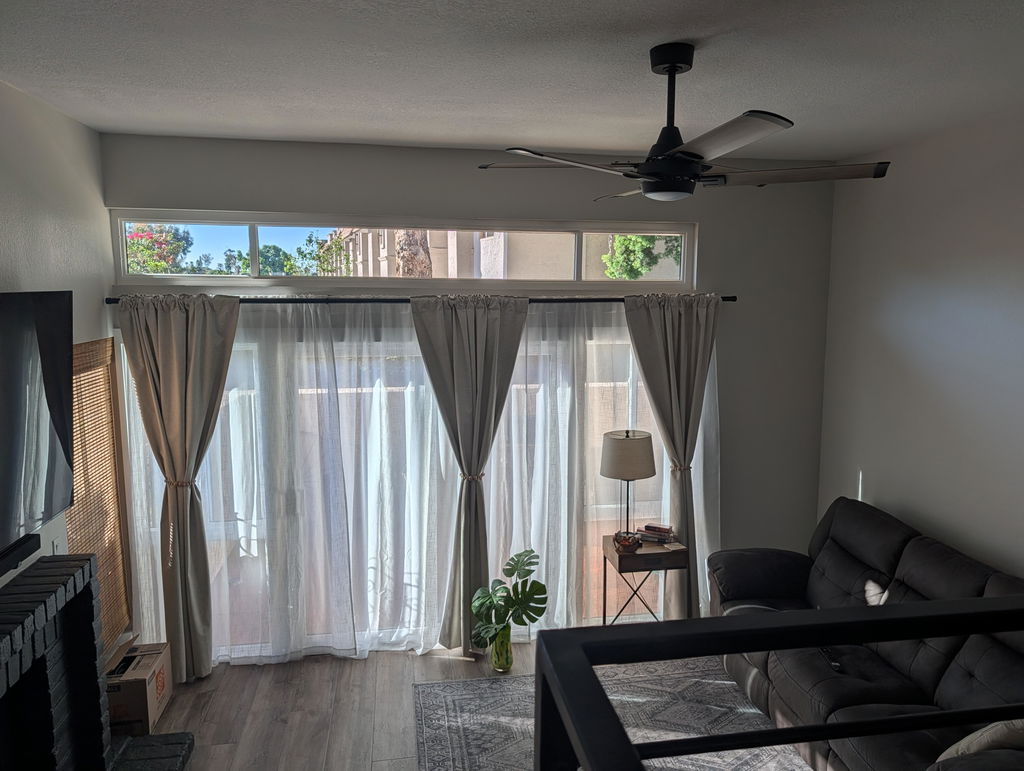
Silk curtains: should I invest in this elegant fabric?
Of all curtain materials, silk is the most expensive and demanding in terms of maintenance. A silk curtain panel runs $200-$500, requires dry cleaning, and can't tolerate sunlight. Before purchasing, you need to honestly assess whether silk panels are worth it for your specific spaces and lifestyle.
Who should and shouldn't buy silk curtains

Silk is for homeowners who want a specific aesthetic and understand the trade-offs of maintenance and fragility. The typical silk curtain buyer has rooms with controlled lighting, a cleaning budget, and realistic expectations about longevity.
If your priority is visual impact and the room is used for formal entertaining, silk can be worth the investment. The fabric delivers an atmosphere and visual impact that other materials can't match. Silk takes dye more thoroughly than synthetics, producing colors with real depth. It's excellent for a formal living room, dining room, or master bedroom where the curtains stay in place and don't get touched.
Who should avoid silk: Families with young kids, homes with pets, or any area where curtains will be touched frequently. Silk shows water stains, collects oils from hands, and requires expensive dry cleaning after accidents. If your family enjoys a relaxed environment more than a pristine one, silk will become a source of stress rather than beauty.
Hard no: Kitchens, bathrooms, or any humid space. Humidity is silk's #1 enemy. Cooking splatter and bathroom steam will destroy the fibers permanently.
What silk actually costs
The visible price tag is just the beginning.
Quality silk panels with proper lining run $300-$500 each. For a standard window, expect $600-$1,000 before installation.
Then come the ongoing expenses. Professional dry cleaning costs $30-$50 per panel. Most silk curtains need cleaning at least once a year to look decent. Over a decade, cleaning costs can exceed the purchase price.
There's also the hidden cost of protection. Without UV-protective lining ($50-$100 per panel), expect to replace your curtains every few years. With lining, without lining replacement, and the occasional dry cleaning mishap, silk curtains are a sunk cost rather than an investment. They rarely add value to a home sale because buyers view them as old fabric they'll need to replace.
The silk and sunlight problem

Here's something retailers often downplay: silk and sunlight don't mix. UV light breaks down silk fibers and fades colors, sometimes within months. West and south-facing windows will ruin unprotected silk curtains quickly.
The solution is blackout or UV-protective lining. This lining absorbs sun damage, protecting the silk facing the room. Without it, plan on replacing your silk curtains every few years.
Silk fibers also breathe, expanding and contracting with humidity. Your curtains might be the perfect length in winter but drag on the floor during a humid summer.
A note on curtain length: The traditional recommendation to "puddle" silk curtains (letting them pile on the floor) hides seasonal length changes, but this style has fallen out of favor with designers. More importantly, puddled curtains are incompatible with robot vacuums. If you run a Roomba or similar device, floor-length fabric becomes an obstacle that can get caught under the robot. Contemporary styling favors curtains that kiss the floor or hover just above it.
Why silk costs more
Several factors drive silk's premium price:
- Natural protein fibers that feel different from synthetics
- Temperature regulation: cool in summer, warm in winter
- Superior dye absorption producing richer, more saturated colors
- Hypoallergenic properties at the fiber level
However, a note on the allergy claim: while silk fibers resist dust mites, silk curtains that can't be washed and are dry-cleaned infrequently will accumulate dust over time. If you have severe allergies, silk curtains may not be a practical choice despite the fiber's properties. Washable alternatives would serve you better.
The case for faux silk

Modern faux silk fabrics made from polyester and rayon blends have improved dramatically. They're cheaper and handle everyday wear much better than real silk.
How to tell them apart: Real silk smells like burnt hair when burned and turns to crushable powder as ash. Synthetics melt into hard plastic beads. Pricing also tells a story: any "silk" curtain under $80 per panel is almost certainly synthetic. Real silk has a dry, almost squeaky texture, while synthetics feel smooth and slightly plastic.
Faux silk makes sense for:
- Rooms with direct sunlight
- Homes with kids or pets
- Spaces where curtains are opened and closed daily
- Anyone who doesn't want to pay for dry cleaning
- Renters who can't commit to installed treatments
For the silk look with better durability, consider high-performance fabrics like Sunbrella or other solution-dyed acrylics. These resist fading, handle humidity, and some can even be cleaned with diluted bleach. For homes with pets or messy situations, these offer silk-like elegance without the fragility.
A faux silk panel at $60 that lasts 8 years and is machine washable delivers better value for most households than real silk requiring constant protection and professional care.
Reserve real silk for those rare rooms where you want something genuinely special.
Types of silk for curtains

The main silk types used for curtains are dupioni, shantung, and taffeta.
Dupioni is the best choice for most silk curtains. Its textured surface, created by double-thread weaving, produces visible slubs throughout the fabric. These natural irregularities help hide minor imperfections and give dupioni a more forgiving appearance.
Shantung is similar to dupioni but lighter, with more delicate irregularities. It drapes more fluidly, making it good for spaces where you want silk's character without the bulk. The downside: it wrinkles more easily, so it works best for stationary panels that aren't opened and closed frequently.
Taffeta has a smooth, crisp finish with a formal character. It resists draping in favor of structured, architectural folds. It's the most formal silk option but creases easily, making it better suited as a permanent fixture than as functional curtains that move.
For most applications, dupioni strikes the right balance between luxurious appearance and practical durability.
Where silk curtains work
Silk performs best in controlled environments with protective measures in place.
Rooms that work
Master bedrooms do well with silk, especially layered behind functional blinds or shades that manage light. The silk becomes purely decorative and stays protected. Formal living and dining rooms also work, particularly those used for entertaining rather than daily family life.
A reality check on formal rooms: Many newer homes have open floor plans without dedicated formal spaces. If your dining area flows into the kitchen or your living room handles daily traffic, silk may not be practical regardless of how you want the space to feel.
Interlining is mandatory
If you're buying silk curtains, you need interlining. Without it, silk panels hang thin and limp, looking more like a bedsheet than a high-end window treatment.
Interlining is a blanket-like layer (typically cotton bump or domette) sandwiched between the silk and the lining. It gives silk curtains their body, fullness, and luxurious drape. It also provides crucial UV protection and insulation. Professional curtain makers consistently recommend interlining for silk specifically because the difference is dramatic.
If you can't afford interlined silk, buy linen or faux silk instead. Uninterlined silk curtains look cheap, defeating the purpose of buying silk in the first place.
Other protection strategies
- The combination of cotton interlining plus blackout backing creates a barrier against UV damage and temperature extremes
- Keep curtains away from HVAC vents, which dry the fibers and accelerate aging
- If consistent sun hits one section, the curtain will fade unevenly over time. High-quality blackout lining reduces this problem significantly.
The decision framework
Silk curtains make sense if:
- The room is formal and used primarily for entertaining
- You have controlled light (north-facing windows or layered treatments)
- You understand the maintenance commitment
- Your budget covers both purchase and ongoing dry cleaning
- You're buying interlined curtains, not unlined panels
- You don't use robot vacuums in that room
Silk curtains don't make sense if you have:
- Kids under 10
- Pets
- Open windows or high humidity
- Rooms with daily traffic
- A preference for set-it-and-forget-it window treatments
- Robot vacuums running through the space
For everyone else, quality faux silk or natural alternatives like linen will deliver better long-term value. Silk is an expensive fabric that punishes casual treatment. If you're not prepared for the lifestyle friction it creates, you'll end up replacing it with something more practical within a few years anyway.
Before You Go…
Here are a few handpicked articles to inspire your next self-care moment.