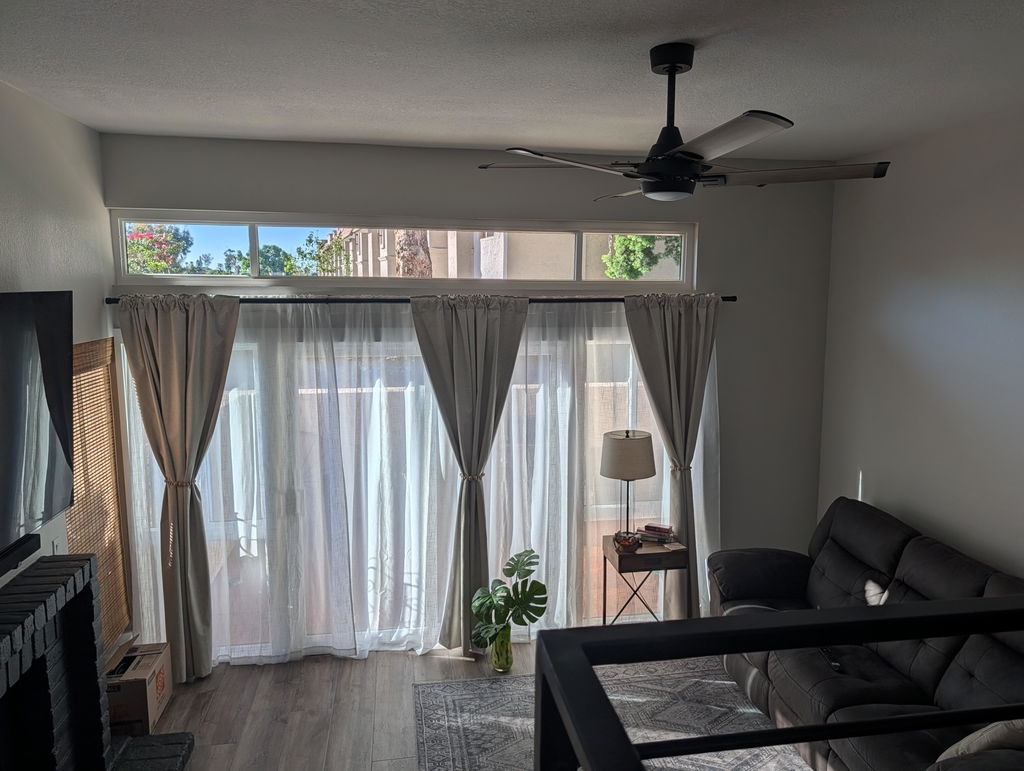
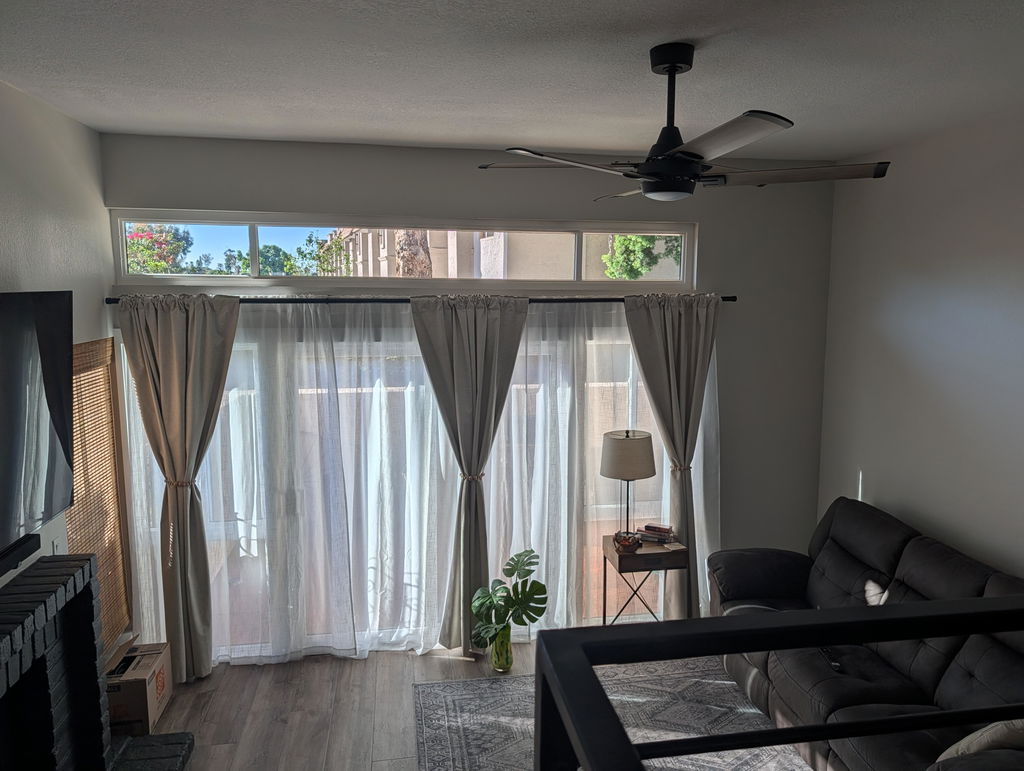
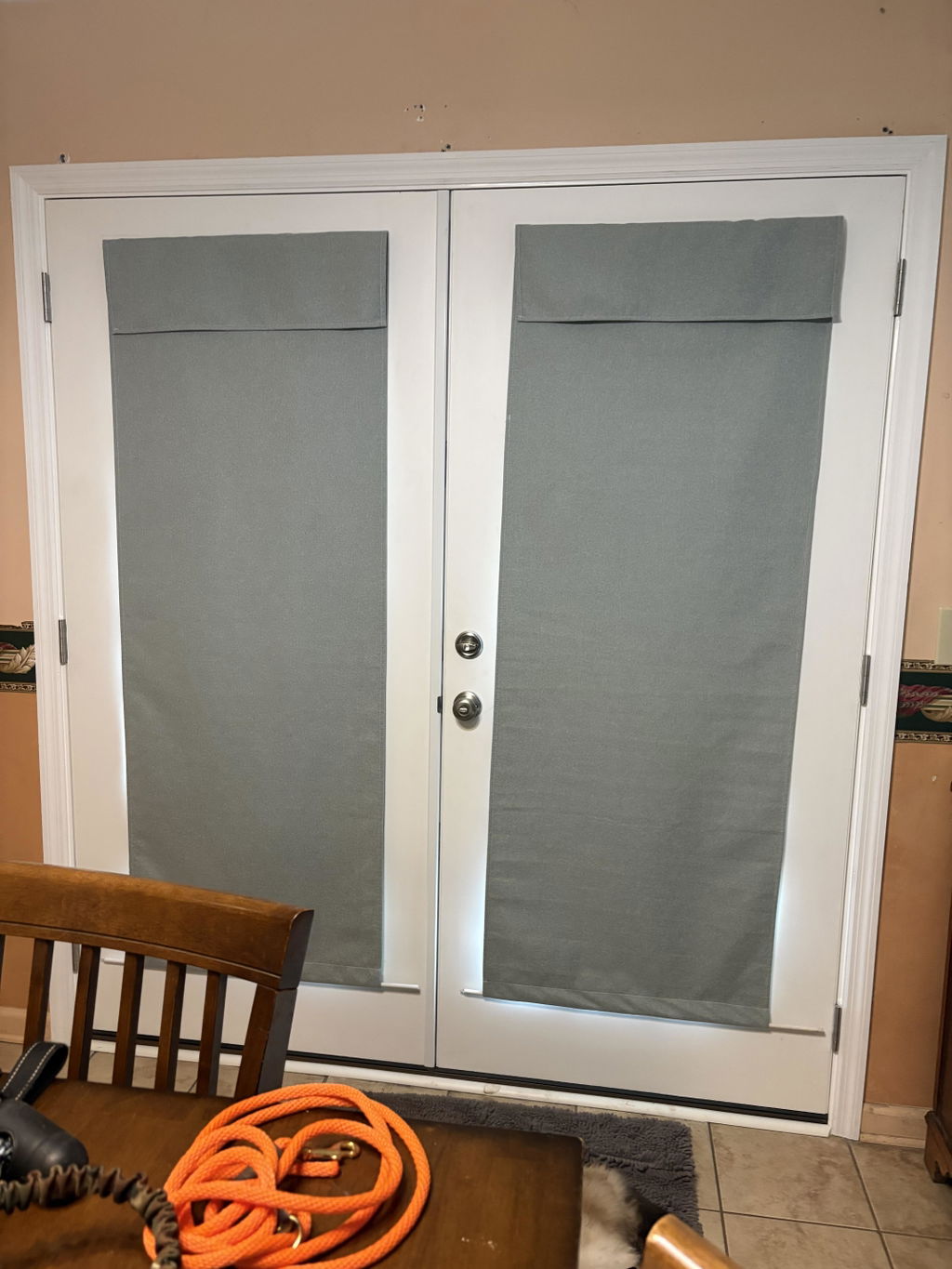
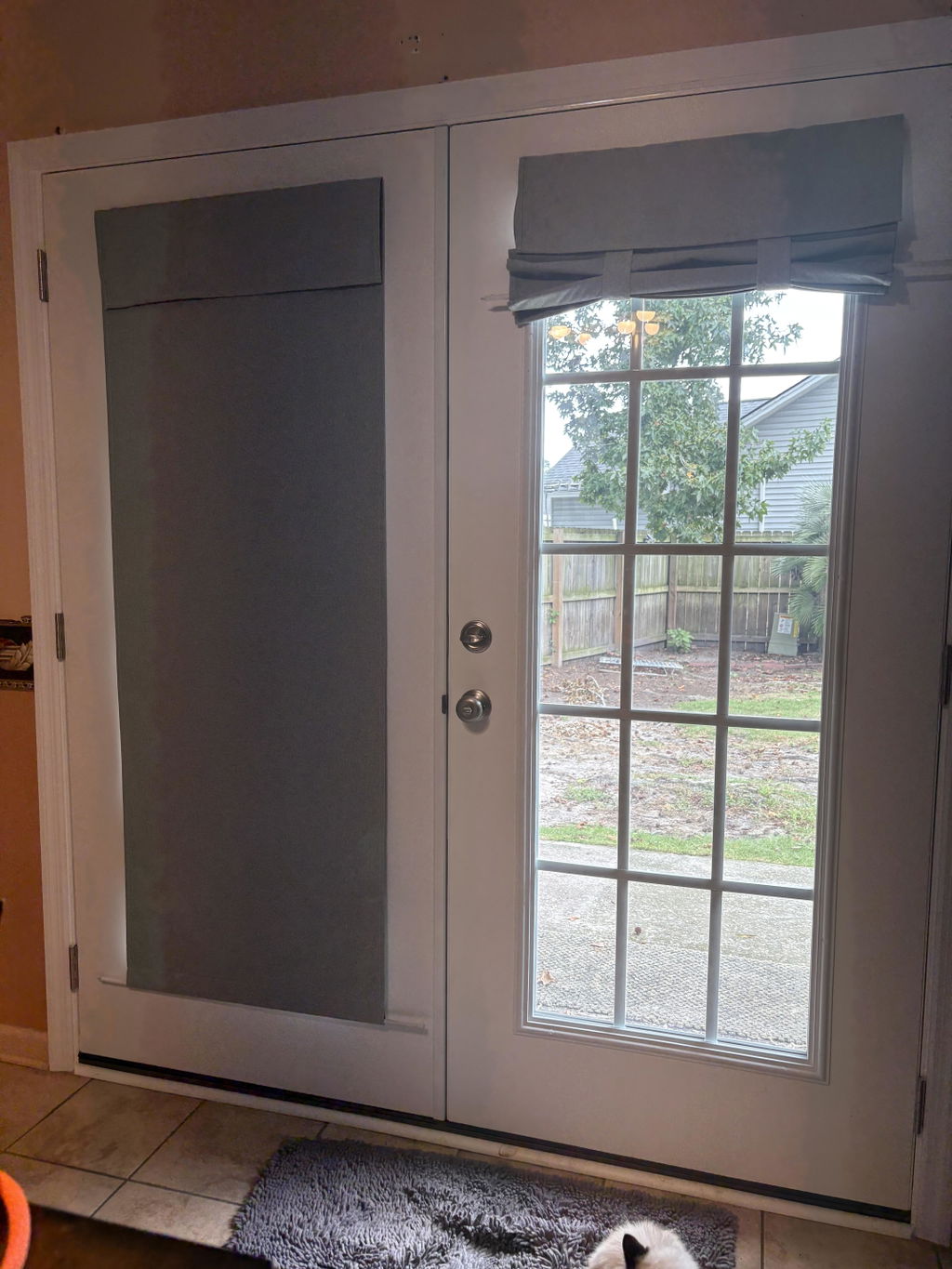
Velvet curtains: comfortable feel, serious light control
Most curtains look cheap and let in too much light. Velvet is one of the few fabrics that blocks streetlights, muffles outside noise, and makes an ordinary room look more expensive. But velvet comes with trade-offs: higher cost, more maintenance, and installation requirements that lighter fabrics don't need.
This guide covers what velvet actually does well, where it falls short, which type to buy based on your situation, and how to take care of it.
How velvet blocks light (and why color matters)

Velvet's dense pile absorbs light instead of letting it pass through. Thousands of tiny fibers trap light rather than transmitting it, which is why velvet darkens a room better than flat-weave fabrics like cotton or linen.
Here's the catch: color makes a huge difference. Dark velvet (navy, charcoal, forest green) blocks roughly 70-80% of light without a liner. Light velvet (cream, blush, white) blocks maybe 40-50%. If you need a truly dark room, you'll want either dark-colored velvet or a blackout liner on any color.
The same dense construction that blocks light also absorbs sound. You won't get recording-studio levels of soundproofing, but velvet does reduce echo inside a room and dampens some street noise. For bedrooms on busy roads or home theaters, this matters.
Velvet also provides decent thermal insulation. The heavy fabric creates a barrier between cold window glass and your living space in winter, and slows heat transfer from sun-baked windows in summer. Single-pane windows and drafty frames benefit most.
The downsides: cost, weight, and maintenance
A single velvet panel typically runs $60 to $300 depending on size, material, and construction. For a standard window requiring two panels, budget accordingly.
Velvet panels weigh more than lightweight curtains, typically 4-8 pounds each. Standard tension rods won't work. You need solid curtain rods with brackets anchored into wall studs, or heavy-duty wall anchors rated for at least 15-20 pounds per bracket. Factor hardware costs into your budget.
Dust and pet hair stick to velvet's pile. If you have a dog or cat, know that velvet will show every shed hair, especially on dark colors. Either pick a color that matches your pet's fur, or choose a different fabric.
Maintenance is higher than wash-and-go curtains. Polyester velvet is often machine washable (cold water, gentle cycle), but cotton and silk velvet typically need professional dry cleaning. Always check care labels before buying.
In small rooms with low ceilings, heavy dark velvet can feel overwhelming. Lighter colors or matching curtains to wall color keeps things from feeling cave-like.
Which velvet to buy: sorted by your situation

For homes with kids and pets: Polyester or synthetic velvet. Machine washable, stain resistant, durable. The texture feels slightly different than natural fibers, but most people can't tell without touching both side by side. Modern synthetics have improved a lot.
For low-traffic formal rooms: Cotton velvet. More matte finish than silk, more casual look, breathable fabric. More durable than silk but still needs dry cleaning. Good middle ground between luxury and practicality.
For large budgets and guest rooms: Silk velvet. The most luxurious sheen and drape. Also the most fragile. Keep it away from direct sunlight (fading), kids, and pets. Requires professional cleaning.
For a more relaxed look: Crushed velvet. The intentionally irregular texture hides small wrinkles and imperfections. Works better in casual spaces than traditional velvet's formal appearance.
Blends combine cotton or rayon with a polyester base. You get softer fibers that feel more natural, with better durability than pure natural fibers.
Header styles: what most articles skip

How velvet hangs depends entirely on the header type, not just the fabric.
Rod pocket: The rod threads through a sewn pocket at the top. Cheapest option, but velvet bunches up and can look lumpy. Not recommended for velvet.
Grommet: Metal rings punched through the fabric. Creates uniform waves. Popular but can look dated. Works okay with velvet but limits fullness.
Pinch pleat or goblet pleat: Fabric is gathered and stitched into formal pleats. This is how high-end velvet curtains are meant to hang. Shows off the fabric's drape. Usually requires rings or hooks.
Back tab or hidden tab: Clean, streamlined look with no visible hardware. The fabric doesn't slide as easily as rings, so better for curtains you don't open and close constantly.
Length decision: Floor-length velvet can "puddle" (extra fabric pooling on the floor) for a dramatic look, or "graze" (just touching the floor) for a tailored appearance. Puddling looks luxurious but collects dust. Grazing is more practical.
Where velvet works best

Bedrooms: If you work night shifts, struggle with early sunlight, or sleep better in darkness, velvet delivers near-blackout performance with dark colors or a liner. Pair dark curtains with lighter bedding and walls to balance the room.
Home theaters and media rooms: Light blocking plus sound absorption improves screen contrast and reduces echo. One window treatment handles both.
Nurseries: Reliable darkness for daytime naps. Velvet's durability also handles occasional tugging better than sheer fabrics.
Formal living and dining rooms: Velvet adds weight and polish to entertaining spaces.
Cold climate homes: Heavy curtains on drafty windows reduce heat loss. Close them at dusk, open them during sunny winter days to maximize passive solar heating.
Where to avoid velvet: Small, dark rooms without much natural light. Rooms where you need easy-wash curtains. High-humidity spaces like bathrooms (velvet can develop mildew issues).
Choosing colors
Deep colors (navy, emerald, burgundy, charcoal) show velvet's texture best and block the most light. They create depth and shadow that flat fabrics can't match.
Lighter velvets look softer but show dust and stains more readily. If you want a lighter look, consider mid-tones like dusty rose, sage, or slate instead of white or cream.
Room orientation matters. North-facing rooms with less natural light handle darker velvets well. Sunny south-facing rooms might need lighter colors to avoid feeling closed in.
Always take fabric samples home. Velvet looks completely different under store lighting versus natural light in your space.
Taking care of velvet curtains
Weekly or biweekly: Vacuum with the upholstery attachment on low suction, moving with the grain. This prevents dust buildup and extends time between deep cleaning.
As needed: Steam to refresh the pile and remove wrinkles. Hold a handheld steamer a few inches from the fabric. Don't press the steamer into the velvet.
Annually (or when visibly dirty): For polyester velvet, check the care label. Many can go in the washing machine on cold, gentle cycle. For cotton or silk velvet, take to a dry cleaner who has experience with drapery. Wrong cleaning methods can flatten the pile or shrink the fabric.
Storage: Fold loosely rather than rolling (rolling is nice in theory but impractical). When you rehang them, steam out any creases. Keep away from direct sunlight during storage.
Is velvet right for you?
Velvet makes sense if you want serious light blocking, appreciate sound dampening, and don't mind higher upfront cost and maintenance. The fabric hangs beautifully without constant adjusting, and quality velvet lasts for years.
Skip velvet if you want easy-care curtains you can toss in the wash, have very small or dark rooms, or prioritize budget over appearance.
Match your velvet type to your household (polyester for pets and kids, silk for adults-only formal spaces), pick a color that works with your room's natural light, and invest in proper hardware. The curtains will do the rest.
Before You Go…
Here are a few handpicked articles to inspire your next self-care moment.