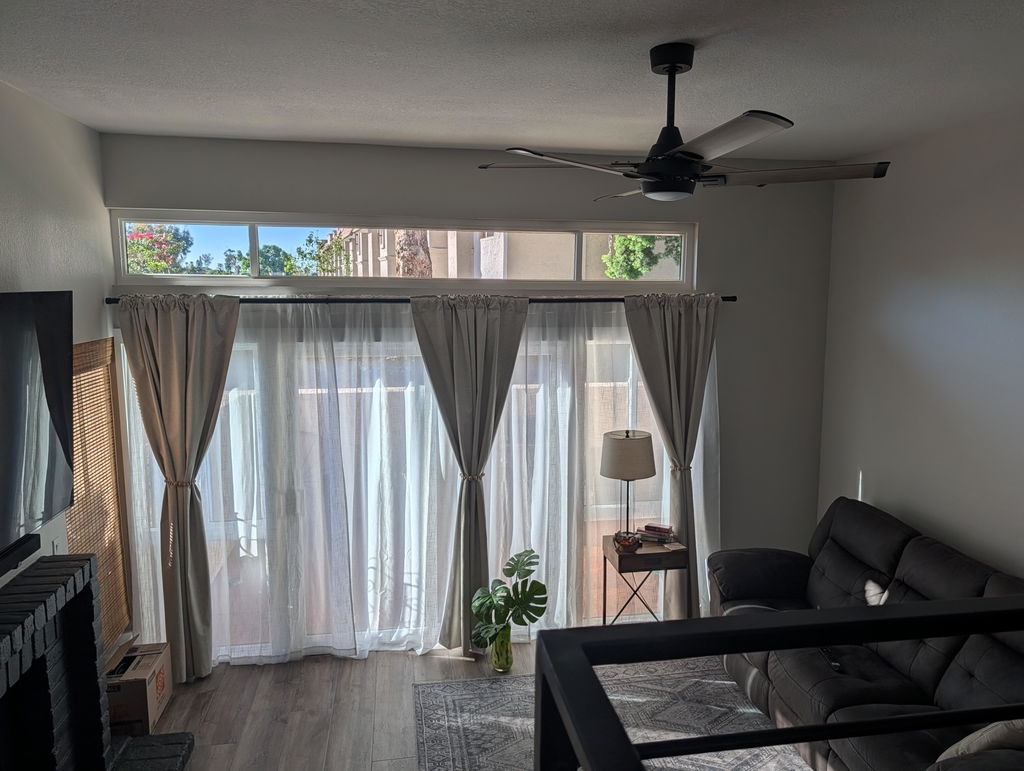
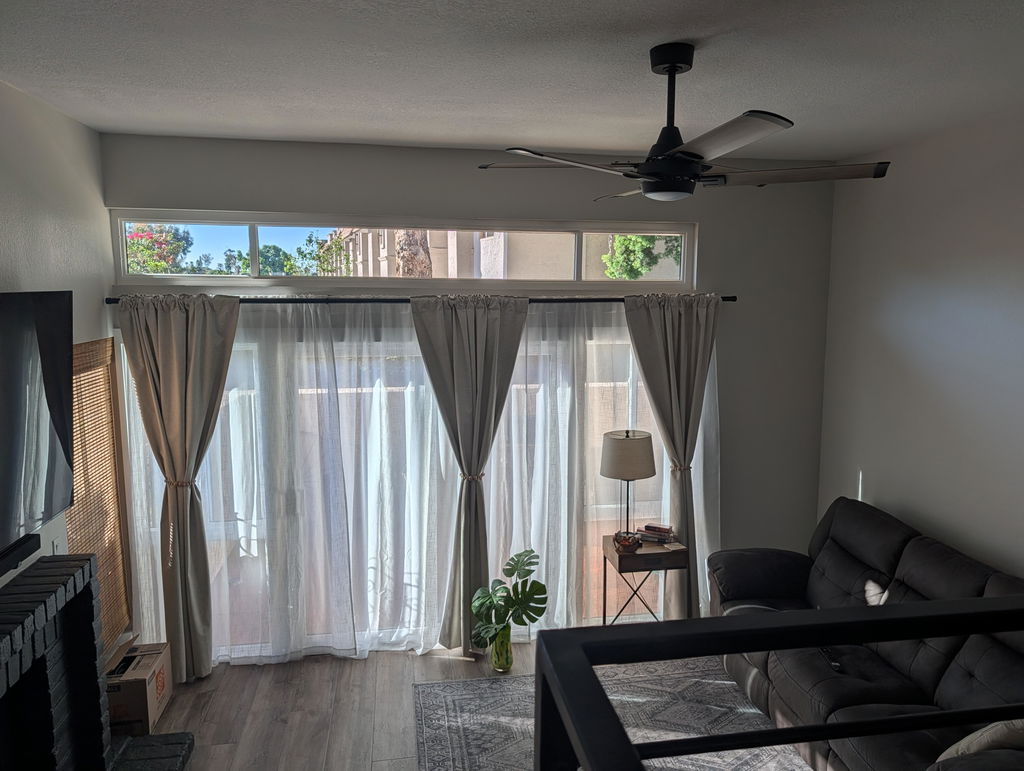
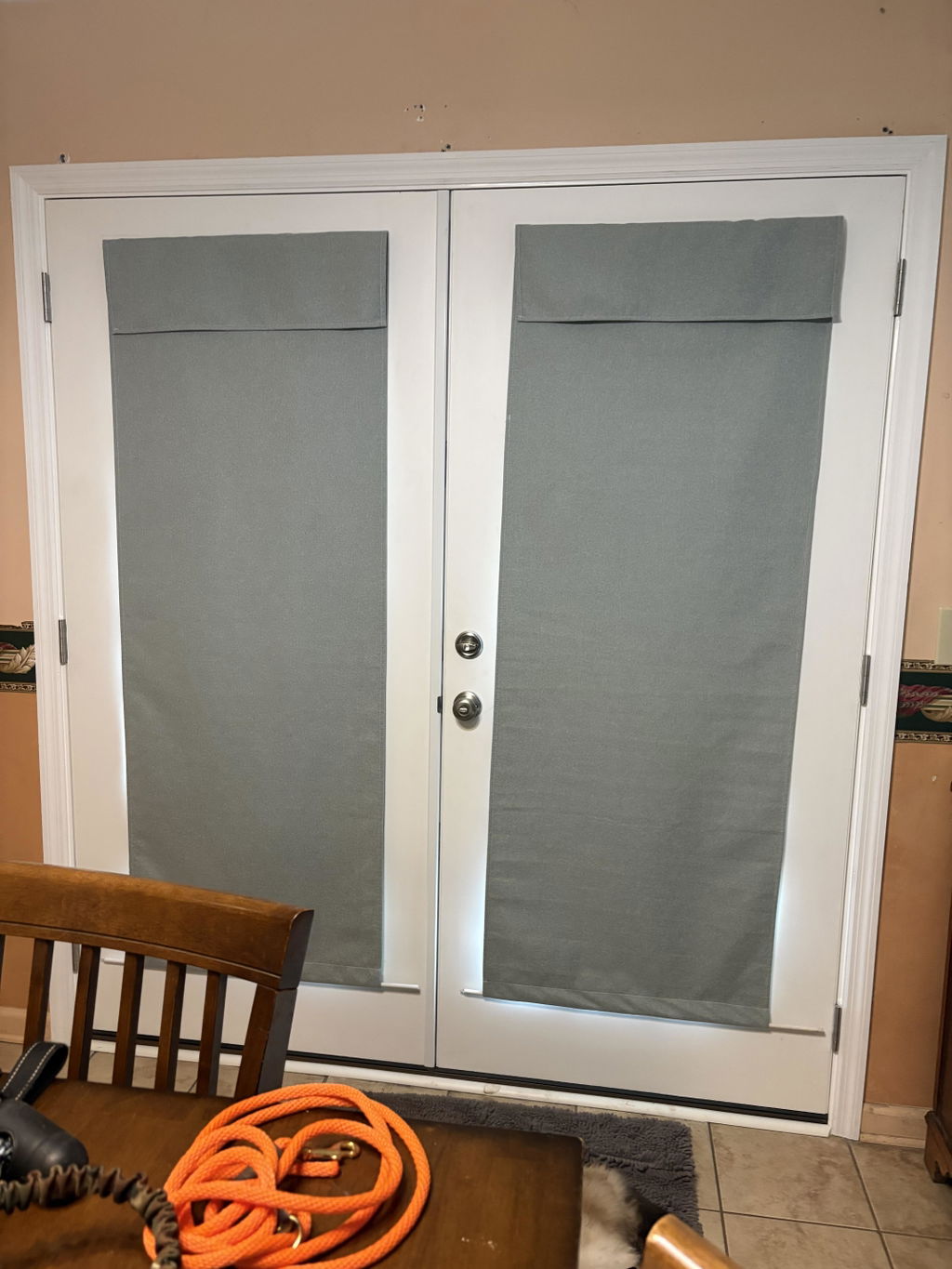
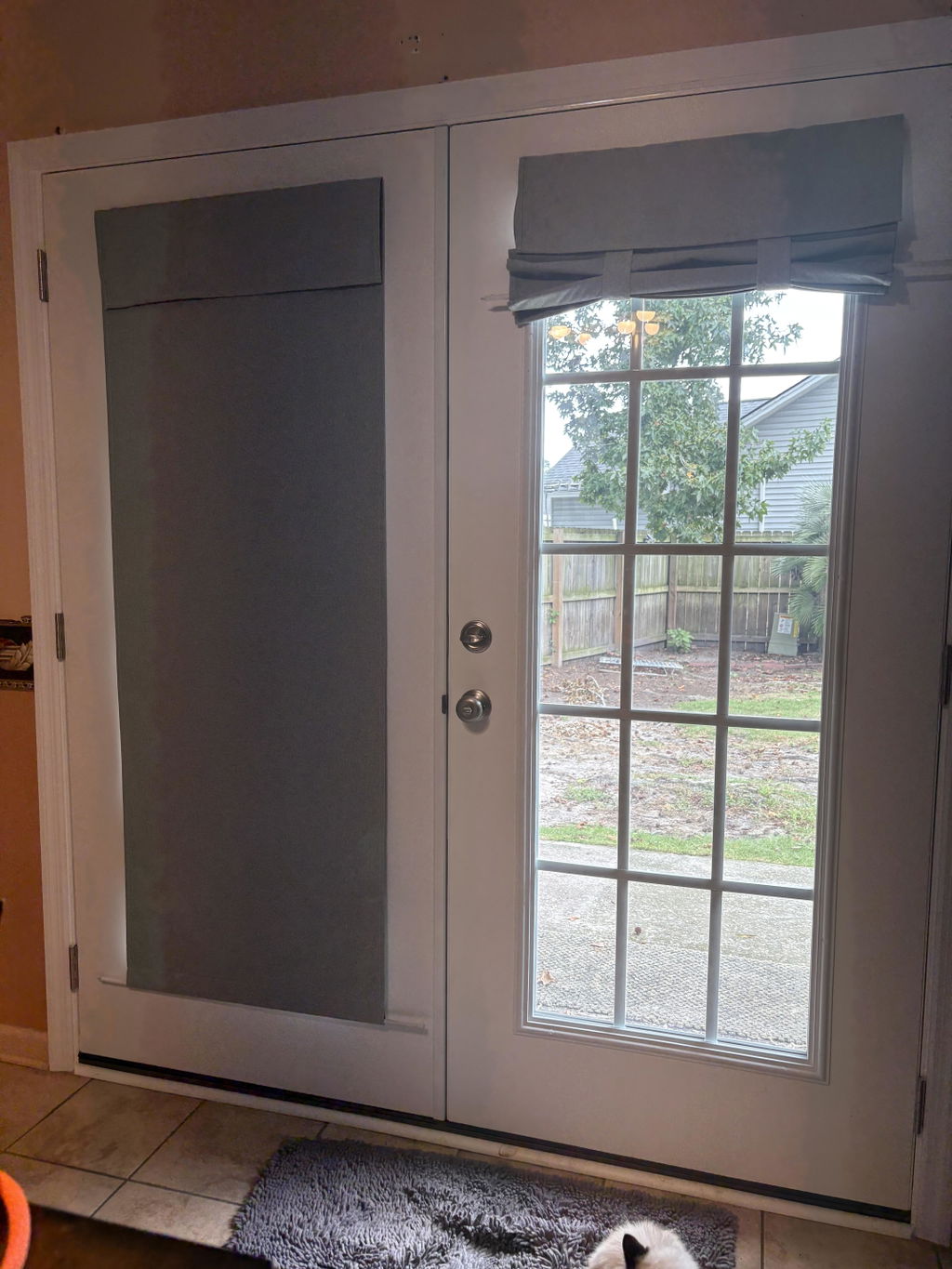
Polyester curtains: Affordability, durability, and minimal upkeep
Polyester is the most popular curtain fabric on the market for three reasons: it blocks light effectively, it insulates windows, and it holds up to daily life without falling apart. The fabric has a reputation for looking cheap, and some polyester curtains do look plasticky. But others are nearly indistinguishable from cotton or linen at a fraction of the cost. The difference comes down to quality and knowing what to look for.
Is polyester right for your home?
If you're a renter, or have kids and pets, polyester is probably your best bet. It handles moisture, machine washing, and general wear better than cotton or linen. Prices typically run between $10 and $50 per panel depending on size and construction.

For a formal living room or spaces where you want an organic, textured drape, cotton, linen, or a blend will serve you better. Polyester can work in those settings, but it lacks the breathability and soft, earthy feel that certain rooms call for.
What polyester does well
Affordability. Good quality polyester curtains cost $20 to $60, while comparable cotton starts around $80. You can cover every window in a three-bedroom apartment for what a single pair of high-end linen curtains would cost.
Durability. Polyester fibers resist stretching, shrinking, and general wear. Unlike cotton, polyester doesn't weaken or thin out from sun exposure. It holds dye exceptionally well, so colors stay true even on windows that get direct sunlight daily.
Easy maintenance. Most polyester curtains can go in a washing machine on a gentle cycle and tumble dry on low. They'll come out looking fine. This matters for households with allergy sufferers, since curtains collect dust, pet dander, and pollen regardless of how clean you keep your home.
Moisture resistance. Polyester doesn't absorb water, making it practical for bathrooms or humid coastal climates. Cotton and linen can develop mold and mildew under the same conditions.
Blackout and thermal insulation
This is where polyester really earns its keep. Polyester is the dominant fabric for blackout curtains because it accepts coatings and multi-layer construction that block light completely. Linen requires expensive secondary lining to achieve what polyester does with a simple foam or acrylic backing.

If you're buying polyester curtains to sleep past 6 AM or to lower your energy bill, look for panels marketed as "blackout" or "thermal insulated." These typically feature three layers: a decorative face fabric, an insulating middle layer (often foam, felt, or flannel), and a backing that blocks light and reflects heat.
A blackout polyester curtain can eliminate up to 99% of light and reduce heat transfer through windows significantly. For bedrooms, nurseries, or media rooms, this is the primary reason to choose polyester over natural fabrics.
Thermal curtains can increase a window's insulation value (R-value) from around 1-3 up to 6 when properly installed, which translates to real savings on heating and cooling.
Potential negatives to consider
Even budget polyester panels tend to have a slight sheen that reads as synthetic. The fabric feels slippery rather than soft and textured like natural materials.

Polyester is not breathable. The panels can trap heat and block airflow when windows are open, making them a poor choice for warm climates or rooms without air conditioning. In dry winter conditions, polyester also generates static electricity and attracts dust.
From an environmental standpoint, polyester is petroleum-based and not biodegradable. It releases microplastics when washed. If sustainability matters to you, look for curtains made from rPET (recycled plastic bottles), which are increasingly available at retailers like Target and West Elm.
Polyester blends: a middle option
Polyester-cotton and polyester-linen blends offer a compromise. A typical blend runs 65% polyester and 35% cotton, giving you the durability and easy care of synthetic fiber with improved drape, breathability, and hand feel.
These blends cost more than pure polyester but significantly less than 100% natural fabrics. They're worth considering if you want curtains that look more organic but don't require the careful handling of pure cotton or linen.
How to choose quality polyester curtains
Weight matters. Heavier fabric drapes better and looks more expensive. Lightweight panels appear cheap, especially when backlit.

Texture separates good polyester from bad. Uniform, shiny surfaces look synthetic. Look for curtains with visible weave patterns, slub texture, or matte finishes. Many popular polyester curtains are marketed as "faux linen" or "linen look" because they mimic natural fiber aesthetics at a lower price point.
Header style affects perceived quality. The way curtains hang often matters more than the fabric. Rod pocket curtains can look bunched and cheap if not styled carefully. For a more polished appearance, consider pinch pleat or back tab headers. These styles drape elegantly even in polyester. Grommet (ring-top) curtains work well for modern or casual spaces and remain popular for their ease of use.
Get the length right. Standard 84-inch panels often leave an awkward gap above the floor. For a designer look, buy 96-inch panels and hang the rod higher so curtains just touch the floor. This one adjustment makes inexpensive panels look intentional.
Red flags when shopping
- Shiny or glossy surface finish
- Very lightweight fabric (almost like paper)
- Stiff material that doesn't fold or drape naturally
- Strong chemical smell when first opened
A note on safety certifications
The chemical smell issue deserves more attention if you're buying curtains for a nursery or kids' room.
Standard polyester curtains, especially those with foam or PVC backing, can off-gas volatile organic compounds (VOCs). This is particularly true for blackout curtains. If you're concerned about indoor air quality or have children who might touch or mouth the fabric, look for OEKO-TEX Standard 100 certification.
OEKO-TEX certification means the finished fabric has been tested for harmful substances including formaldehyde, heavy metals, and certain flame retardants. For nurseries, look specifically for OEKO-TEX Class I, which indicates the fabric is safe for babies and toddlers to touch directly. Class II is appropriate for adult spaces with skin contact.
Some brands also carry GreenGuard Gold certification, which screens for over 15,000 VOCs and ensures low chemical emissions. If you're buying polyester blackout curtains for a child's room, these certifications are worth seeking out.
Where polyester curtains work best
Kitchens and bathrooms. Moisture resistance makes polyester practical where cooking steam or shower humidity is present. The fabric won't promote mold growth the way cotton will.
Kids' rooms and playrooms. Easy cleaning and durability handle the inevitable chaos. The same logic applies to homes with pets.
Rental properties. Polyester curtains let you refresh a space without significant financial commitment, and they're easy to replace when you move.
Bedrooms where light control matters. Polyester blackout curtains deliver better darkness than natural fabrics without expensive custom lining.
Being honest about wrinkles
One correction to the "easy care" claim: polyester resists wrinkles once it's hanging, but packaging creases can be stubborn. Don't expect them to fall out on their own.
If your new curtains arrive creased, you have a few options. Washing and drying them on low heat often works. A handheld steamer can help, though you may need multiple passes for set-in folds. For stubborn creases, ironing on low heat with a pressing cloth between the iron and fabric will prevent melting or shine.
The key point: polyester is lower maintenance than linen or cotton over time, but the initial unpacking may require some effort.
The bottom line
Polyester curtains won't give you the artisanal feel of natural fiber. They will give you practical, affordable window treatments that hold up to real life. If you prioritize light blocking, thermal insulation, easy cleaning, or value for money, polyester is the rational choice.
The key is buying quality panels rather than the cheapest option available. Look for weight, texture, and matte finishes. Choose an appropriate header style for your space. Hang them at the right length. And if safety matters for your household, check for OEKO-TEX certification.
Do those things, and polyester curtains can look considerably better than their reputation suggests.
Before You Go…
Here are a few handpicked articles to inspire your next self-care moment.