Window treatments: Designing an ideal sleep space
Curtains for bedrooms impact light, temperature, and intimacy. It could be that your window coverings are making you wake up too early or having trouble falling asleep. Your circadian rhythm can be disrupted by small streams of light, and a bedroom that is too hot or cold will keep you tossing and turning all night.

The role of bedroom curtains for sleep quality

Curtains affecting your sleep is not something many people are cognizant of. Your circadian rhythm can be disrupted by small streams of light, and the sunlight beams that come through your window and street light obstruct your rest.
Temperature is just as important. Rest that is too hot or cold will disrupt your sleep patterns. Your clothes can only do so much, as an environment that is too hot or cold will keep you tossing and turning all night. This is not just for comfort. Studies have shown the ideal temperature for sleep is 60-67 degrees Fahrenheit, and your window coverings play a role in determining that.
Privacy is the third piece of the puzzle. If you're worried about neighbors or passing pedestrians seeing into the bedroom, you will never be able to relax enough to get deep, restful sleep. Your bedroom curtains need to create a sanctuary of ultimate peace.
Blackout vs. room darkening: Which do you need?

The curtain industry is no stranger to confusing curtain terminology, so let's get to it. Room darkening curtains, on average, block 85-95% of light. Blackout curtains block an average of 95-100%. That 5-15% difference is crucial.
Most people do well with room darkening curtains. They let enough light in so that when you get up in the middle of the night, you aren't stumbling around in total darkness, but they're dark enough to get quality sleep. There may be a faint glow around the edges of the window, but it won't be enough to wake you up.
Blackout curtains are essentials in specific scenarios. If you sleep during the day because you work night shifts, you need 100% darkness. They are also a good investment for light sleepers that wake up at the crack of dawn. Blackout curtains are often a popular choice for new parents in nurseries because babies tend to sleep longer in completely dark rooms. If you have an east facing bedroom, the morning sun can be quite bright so blackout curtains will most certainly be worth the extra cost.
Here's an easy way to find out if you need to improve your curtains: if you can see your hand clearly while holding it 10 inches in front of your face when your curtains are closed, you can improve your light blocking.
Curtains are blackout for 2 reasons. Either they are coated curtains, which are less effective, but cheap, or they have three layer blackout fabric constructions which are more expensive, but more effective and look nicer. Most more expensive brands will have three layered blackout fabric while less expensive will have foam, which can crack over time, but is more of a visual blocking.

Best fabrics for bedroom curtains

Velvet is light blocking, soundproofing and temp controlling. It can block 85-95% light and is the most expensive fabric but worth it. Velvet is the most luxurious and is a great look for master's without sacrificing quality.
Blackout fabric will suit you best if you want to block out all sunlight. Cotton or linen with blackout lining gives you a natural look with functionality. While the outer fabric gives you the aesthetic you want, the blackout lining blocks the light. This combination is great if you prefer the more textured, relaxed look of natural fibers, but need dark bedroom-level blackout.
Blackout fabric is the best option for light control. Dedicated blackout fabrics will give the control you need. Look for fabrics specifically labeled as blackout with a light-blocking percentage of 95% or higher for best results.
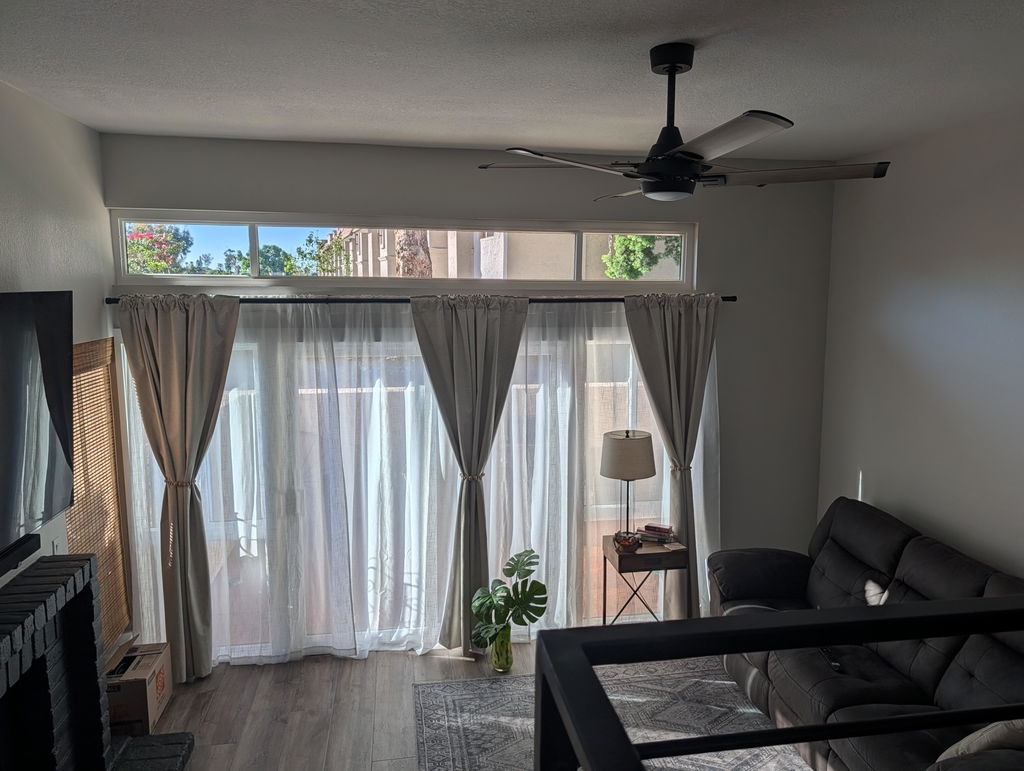
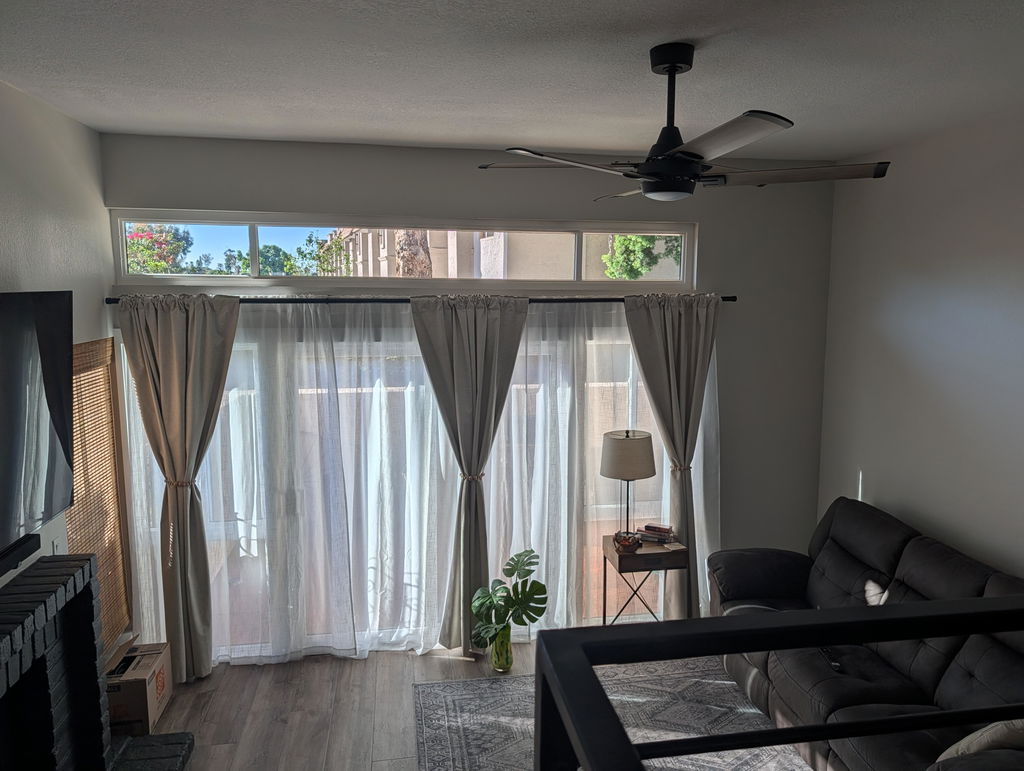
Do not use lightweight sheer fabrics because they do not do their job. Although they look good on living room windows because you want just enough light in, they do not work in bedrooms. Especially in bedrooms, where good sleep is important, curtains must block enough light, which is around 80%. Even the thickest sheer fabrics let in 30-40%, which is still not enough.
Colors that promote better sleep

Curtain colors also play a big role in how much light is let in. What color you choose for the curtains in your bedroom is important. Darker colors tend to block light much better than lighter colors. Black, navy blue, charcoal gray is always better than white or cream in blocking light. Darker colors absorb light, whereas lighter colors reflect light.
However, lighter color blackout fabrics can still work. Modern blackout technology has improved, and light-colored blackout curtains can block up to around 95%, but they need to be real blackout fabrics, because a lot of people just buy heavy curtains thinking they work, but that's usually not the case.
Color can also affect mood. Deep blue or gray tends to feel calming to many people. Beige and gray are also good to use because they still give a calming effect, but have a more neutral feeling. Using one of these combinations will give the room a more peaceful, but not cave-like feel to it.
Avoid stimulating hues like red, bright yellow, and orange for your bedroom curtains. You'll want to lean towards more muted and darker colors. Bold patterns can stimulate alertness, as your eyes restlessly scan the curtains. They make more sense for places where you want to promote energy, rather than rest.
You might also want to be aware that blackout curtains often have light white backing (which doesn't look matching from the front). This backing reflects light and keeps your bedroom cooler. A fully black backing absorbs light and, more importantly, heat, which can make your room uncomfortably warm.
Curtains for light sleepers, early risers, and shift workers

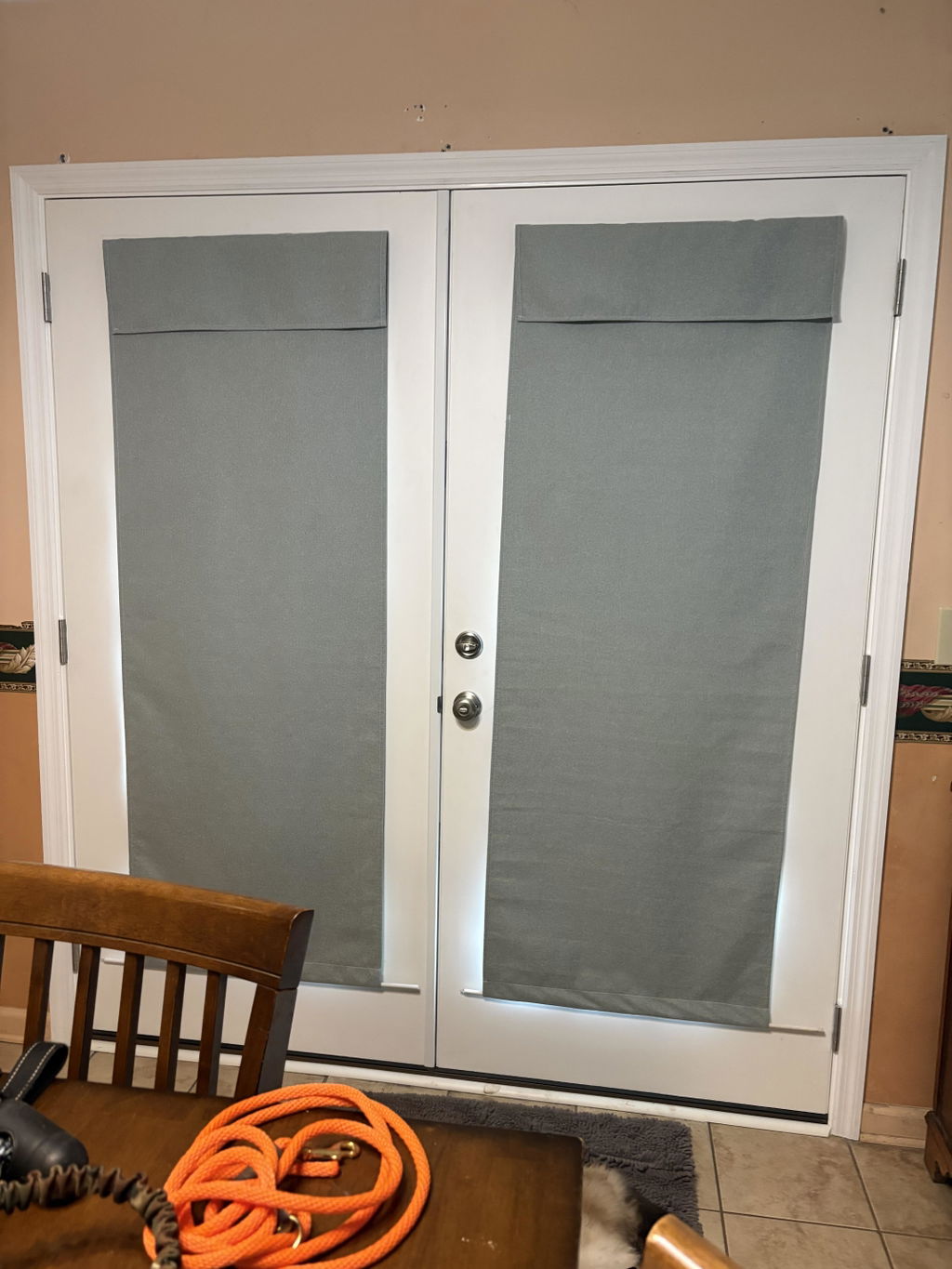
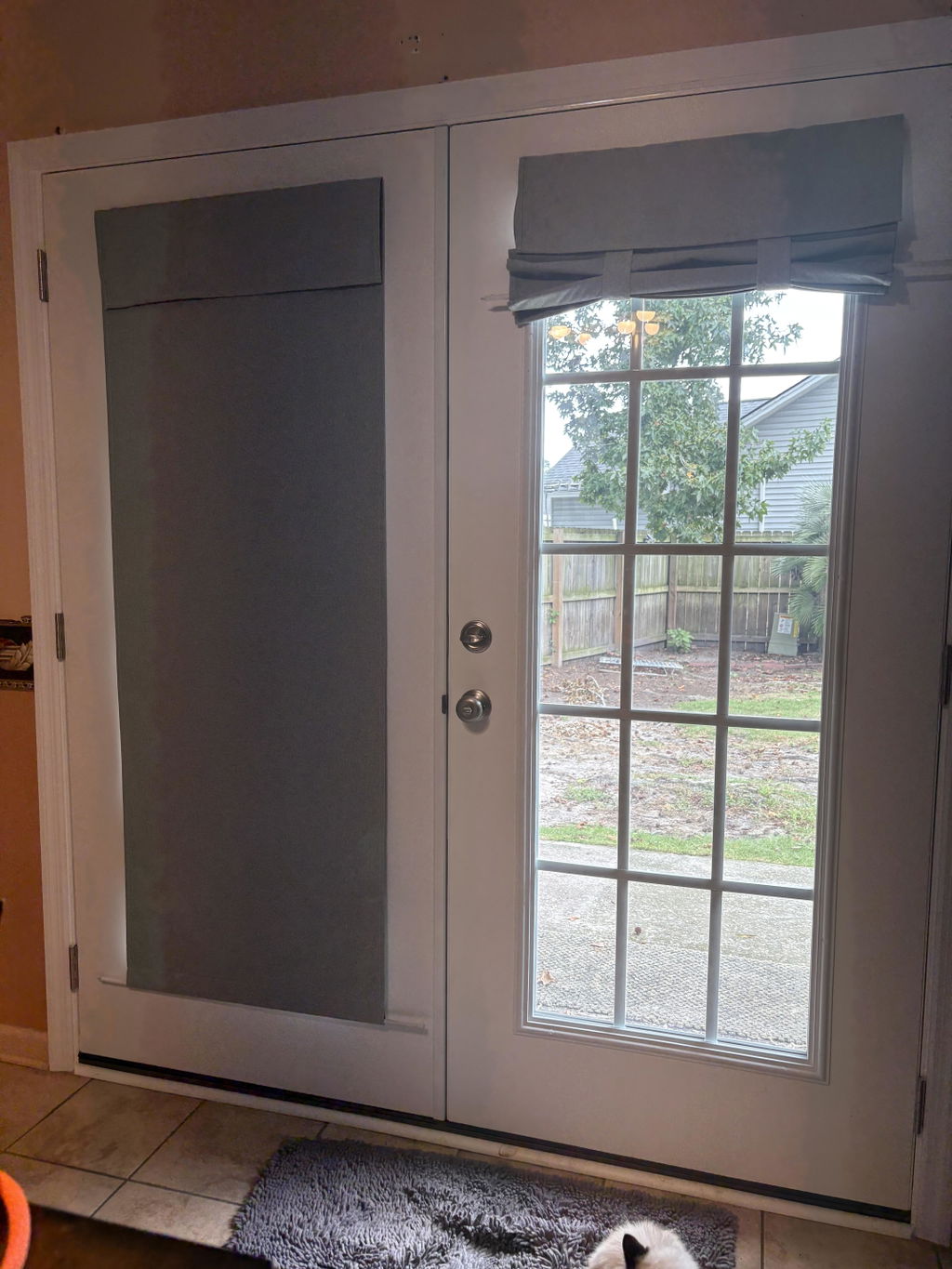
Sleeping during the day presents unique challenges. Shift workers need complete darkness to reset their circadian rhythm, and standard blackout curtains may not be enough if light gaps are overlooked. Consider adding roller blinds behind your curtains for an extra layer of light blocking. This improves insulation and adds a second light barrier.
Adding a cornice box above your curtains is highly recommended as it prevents light sneaking in from the space between the curtain rod and the ceiling. It might sound excessive, but light control can make a big difference when trying to sleep during the day.
Light sleepers need 95%+ blackout but have more flexibility than shift workers. For this case, curtains that pool on the floor are more preferred. An extra inch or two of fabric helps block that gap at the bottom, where some light can creep in. Make sure that your curtain rod is extended 6-8 inches beyond your window so that the curtains can overlap the wall, not just the window.
Early risers should not get blackout curtains at all. To get some natural light in the morning, you can get some more room darkening curtains (85% blockage) or even lighter filtering ones (70% blockage) to get enough curtains so the room isn't dark in the morning but is in a decent amount cave darkness for some solid sleep. Double rod systems work here too, so you can hang sheer or light filtering curtains on the window side, and then use heavier ones on the outer rod at the same time. Use the light weight ones at night and the heavier ones only if you need extra darkness.
Facing east brings with it a unique set of challenges. The morning sun has a habit of flooding the room, even if you don't wake up at the break of dawn. At least 85-95% darkening curtains are needed for east-facing rooms. Facing west brings a different set of challenges. The strong, hot sun in the afternoon can easily turn the room into an uncomfortable sweat box, making the room very hard to enjoy. For rooms facing west, a combination of soft, insulating curtains with darkening lining do the best at regulating temperature and controlling evening light.
Common errors to avoid when it comes to curtains in the bedroom
Picking curtains that are too short is a significant problem. Curtains that stop before the floor leave a gap that is visible and can let in unwanted light. Curtains that are floor-length should skim the floor slightly. It is better to have floor curtains that are excess and puddling in a little.
Having curtains hung just above the window frame is something that a lot of people do too. It can create a cramped atmosphere and let light penetrate the room. Try to mount the curtain rod closer to the ceiling. This will give the room a taller appearance while also preventing light to come in from above.
Underestimating curtain width can lead to light coming through the sides. Curtains should have a width of 2-2.5 times that of the window. Curtains should also have overlap in the center enough to create a closed effect. Curtains that are too flat without enough fabric do not effectively keep light out.
Because of the appearance of dust, light colored curtains may seem practical. However, dust will collect in beds more than average. Light curtains tend to show dust and dirt more quickly over time. Medium and dark colored curtains do a better job of hiding dust and maintain their appearance longer. If this is a concern, regular washing of white curtains should be considered.
Getting what kind of bedroom curtains you need is simple. Consider curtains that block 85% of light, are long, wide, and in relaxing colors. Your quality of sleep depends on these details.
Before You Go…
Here are a few handpicked articles to inspire your next self-care moment.