What type of curtains are best for a dining room?
The dining room has a special place in the home. On weekdays, it is where the family sits for quick dinners. But on weekends, it becomes a space for hosting, holidays, and special occasion celebrations. The curtains need to work for both events, a challenge compared to other rooms.
Casual vs. formal dining: Two different approaches

Before browsing curtain styles, ask yourself: how do you actually use this room?
Formal dining rooms are reserved for guests and special occasions. If this is the case for your dining room, you can focus more on aesthetics than functionality. Heavier fabrics like velvet or silk are a good choice here because they will not experience the wear and tear of daily use. Some traditional styles feature fabric that pools on the floor for a grand, elegant touch, though this look is less practical for homes with pets or robot vacuums.
Casual dining spaces and breakfast nooks are always busy. Children make messes. You try to enjoy the morning sun streaming through while reading the news, but getting your daily dose is impossible with the sunlight pouring in. Curtains should be easy to wash and should not show the dirt and dust. Blended cotton and polyester work well, as does linen or faux linen, which offers a relaxed, textured look that suits casual spaces. Curtains should be long and just touch the floor or hover about half an inch above it, making them easy to clean and compatible with robot vacuums.
Open-plan dining areas also have an issue. When your dining space flows into the kitchen or living room, your curtains should be in the same style as the window treatments in those zones. This is especially important in modern American homes where the dining area, living room, and kitchen often share one visual space. Everything doesn't have to match, but should be the same colors and styles. Modern grommet curtains in charcoal don't match with ruffled floral valances in the dining area.

Light control for dining
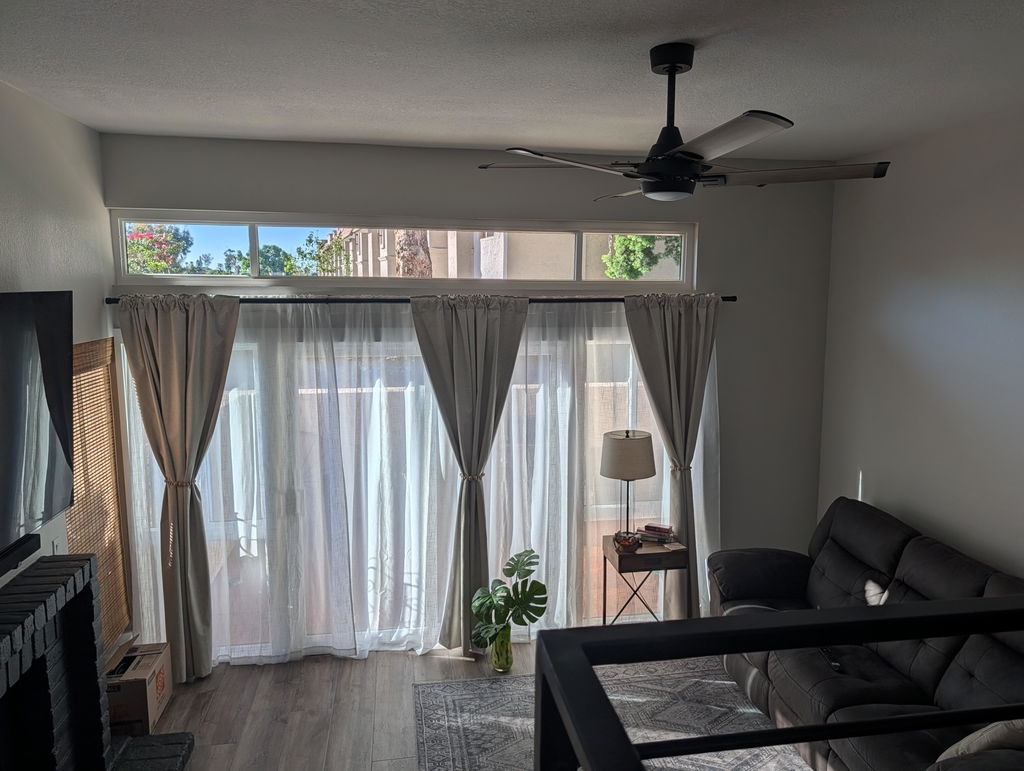
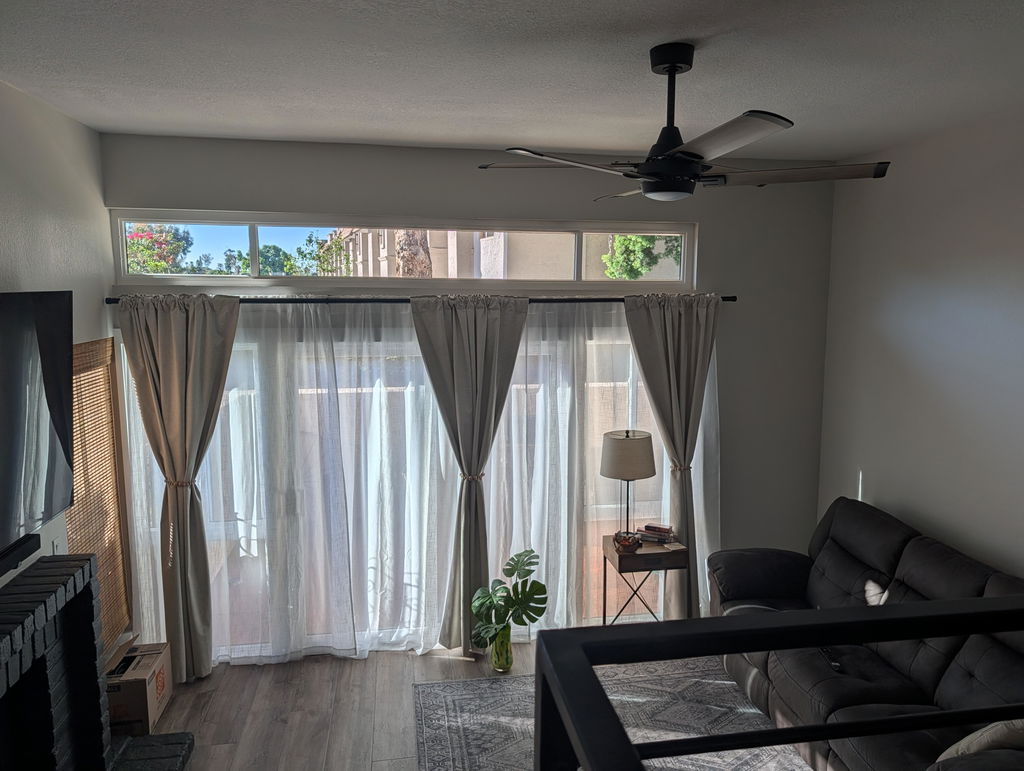
Dining rooms often just have a single layer of curtains, which shouldn't be the case. A layered curtain setup works best for most dining rooms, using sheer curtains for the daytime and heavier drapes for the evening. You can design it to your preference. For a modern look, pairing Roman shades with floor-length curtains is a popular choice. More traditional styles might use valances, though these tend to feel dated in contemporary spaces.
For daytime meals it is best to have a setup that lets in natural light. Nobody wants to eat lunch in a dark cave, but too much light can also be an issue. Squinting guests are even worse than dining in a dark room.
Dinner time means something new. As the sun sets you want something softer and more cozy. To help get that feeling, you can use curtains to block the unpleasant reflections of unadorned windows and make the space feel cozier.
A good option for dining rooms is to use something layered. Sheer curtains soften and diffuse the harsh daylight and can even close and keep the white glow of daylight while the heavier outer curtains close, providing more darkness and evening ambiance. During the day, you can pull the outer curtains aside and let the sheers do their thing and at dinner parties, close both curtains to let your lighting do the work.
If you do not want to use the layering option, you can use light filtering curtains as a good compromise. They still soften the light flowing in while keeping in more of it and provide some privacy in the evening as well. However keep in mind that it's not as much privacy as you would get with blackout options.
While you probably don't need full blackout curtains in a dining room, lined drapes with thermal or blackout lining can be a smart choice for energy efficiency. They help block drafts in winter and keep heat out in summer without making the room feel like a cave, since you can open them during the day.
How colors affect the mood
The psychology of colors is real, especially in dining areas. The colors surrounding someone's meal can influence how diners feel and their appetite. So, what colors work best?

Deep, rich shades in the color palette, especially navy, forest green, burgundy and charcoal, create a sense of warmth and class. These colors work great for evening entertainments and transform the place into a cozy and classy one. If you often organize dinner parties and use your dining room most often in the evenings, these are worth considering.
Neutral and soft colors like white and cream, beige, light gray, and soft sage will have the space feeling airy and relaxed, as well as bright. Since they are soft colors, they work well with almost any table setting and any seasonal decor. And, if it's a dining nook, it's good that the colors are light so that they don't feel heavy in the space since it's a room that gets used a lot during the day.
Be careful about colors: In a dining setting, very bright reds and oranges feel overwhelming. While certain shades of red are known to stimulate appetites and are often used in restaurant design, a dining room having tons of bright red curtains can feel more aggressive and less appetizing. And, if all the curtains are black, that can make the space feel heavy, too, unless it's a very modern design you're going for and have a lot of light.
Coordinating with your dining room elements
The curtains will be sharing space with table and chairs, as well as a bold light fixture. All these pieces need to feel intentional together.
Having a window behind a table means your curtains will become a decorative element for every meal. Choose a color that compliments the table and chairs, but doesn't match them to avoid competing visually with them. A busy print behind an already ornate table will create a cluttered look. Subtly patterned curtains will let the table shine.
Keep practicality in mind too. When the curtains are always open, they shouldn't cover any part of the window frame or obstruct the view for maximum light flow. If they create a bunched mass that blocks half the window, you'll probably end up leaving them shut more than you'd like.
Coordinating with your chandelier becomes more important when you have a statement piece. While the curtains and chandelier shouldn't match, they need to appear as if they belong in the same room together. Crystal chandeliers pair nicely with more formal fabric curtain styles, while a modern pendant with geometric designs looks better with clean, solid, and colored lined curtains. If the chandelier is the room's focal point, choose simple, understated curtains to avoid overwhelming the space.

Curtains should be consistent across windows. Using a completely different style of curtain on other windows, or using a different color on differing windows in the same dining room, creates a very odd lack of cohesion. Even if the windows are of different dimensions, try to keep the same fabric, the same color, and the same height for all the hangings.
Dining area cleaning considerations
When decorating with dining room curtains, one must remember the other room right next to it: the kitchen.
Cooking aromas waft in and are even absorbed by the fabric over time, and with the dining room being right next to the kitchen, it's bound to collect the scent of last week's curry or the fish fry from last Friday.
How to solve the issue depends on the type of dining room. If it's a formal dining room that's rarely used, a quarterly dry cleaning should do the trick of keeping it fresh. If it's used frequently, one should consider machine washable fabrics that need to be laundered monthly or at least seasonally. You may use fabric freshening spray in between washes, but that can't be a long-term solution.
When there are kids present, splashes and splatters are how things go. Expect to do some spot-cleaning on the curtains that hang close to the table. Darker, more patterned fabrics are always a better choice than solids like white and cream. If you are in a more stain-prone area of a dining room, the extra cost of a stain-resistant treatment fabric may be worth it.
Common mistakes to avoid
Hanging curtains too short. Curtains that stop at the windowsill make a dining room look cheap and messy. Out of every room, this is the one where floor-length curtains make a huge difference in how polished the room looks. Even breakfast nooks look better with full, floor-length curtains.
Blocking natural light entirely. When dining rooms are completely lightless, it can create a dreary atmosphere. If curtains are too heavy to open every day, it is not the right choice.
Incompatible formality levels. Simple cotton tab top curtains do not match formal dining room decor consisting of a mahogany dining table and a crystal chandelier. On the other hand, ornate silk curtains with tassels do not fit the casual decor of a farmhouse dining table in a breakfast nook. The curtains should match the formality of the decor in the room.
Ignoring the maintenance. While there is nothing wrong with silk, if you do not plan on keeping them to a professional schedule of upkeep, they will quickly become a sad looking accent in the room. Be realistic in your expectations of maintenance.
Making the best use of your dining room
Your dining room should have curtains that reflect how the space will actually be used. First, take an honest assessment of your use of the space. Is it formal entertaining, or casual family meals, or do you do both? After that, make a choice of curtains to meet those utilitarian needs rather than an envisioned ideal of the space. The right choice of window treatments will not change the experience in the dining room immediately. However, it will make it more like home when you are serving guests or pouring a cup of coffee in the morning.
Before You Go…
Here are a few handpicked articles to inspire your next self-care moment.