Style, Function, and Design Ideas on Living Room Curtains
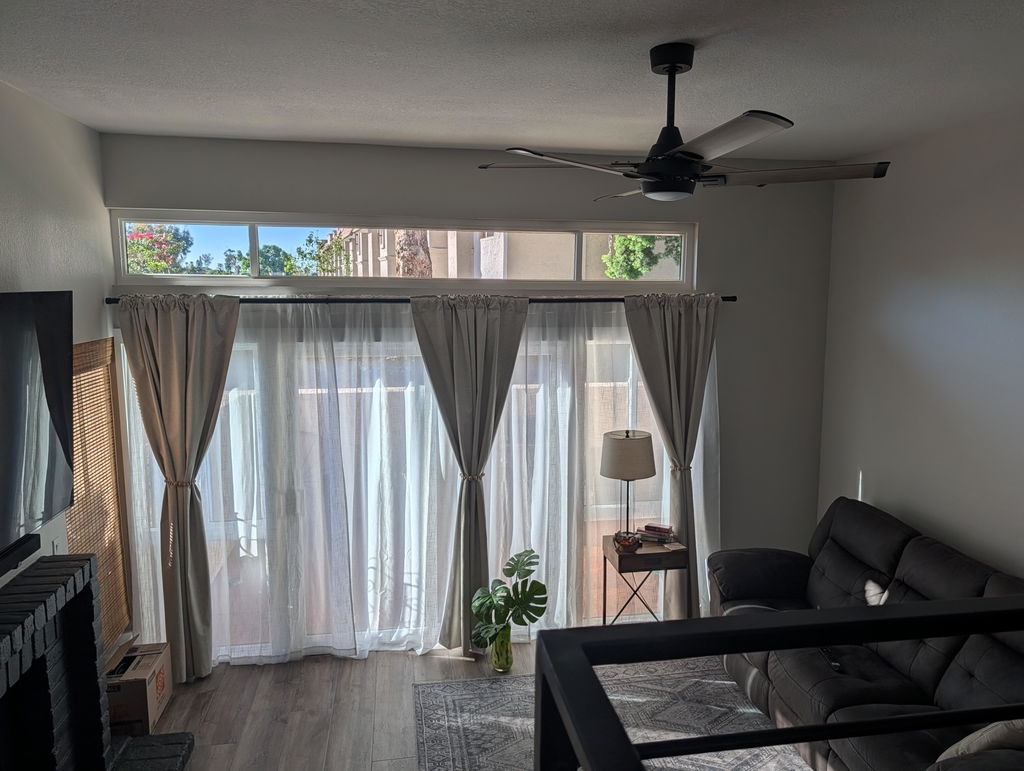
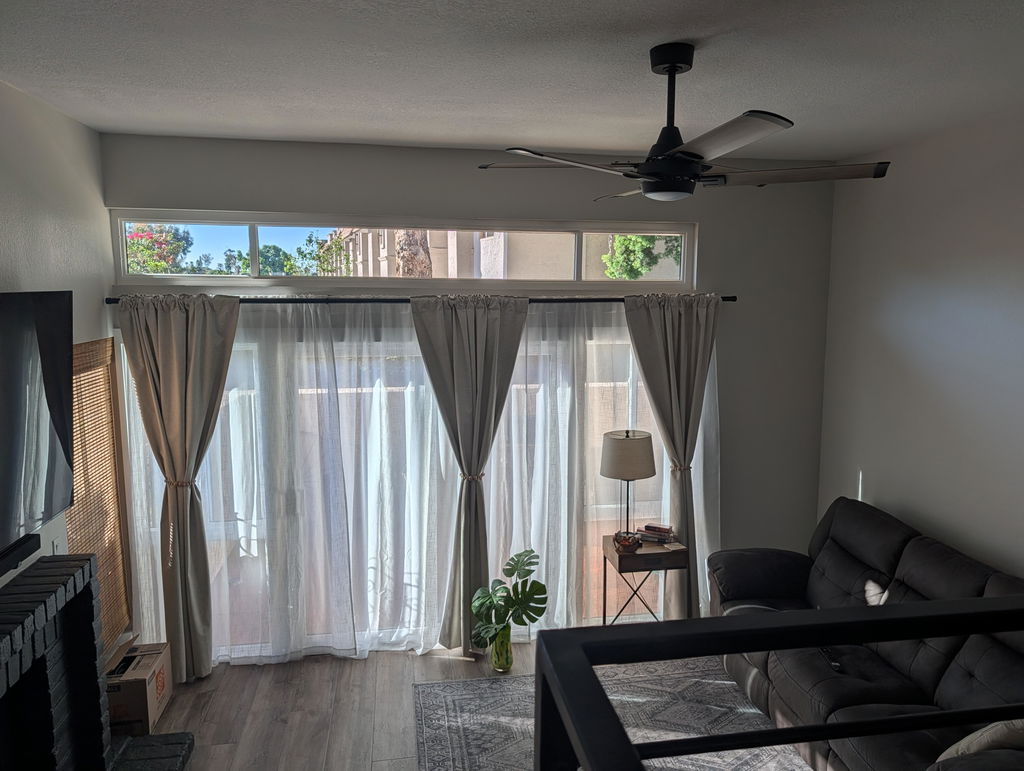
For most living rooms, the optimal curtain should be made of a medium-weight cotton or a linen fabric (250-350 GSM). Functioning and design-wise, the ideal curtain will be floor-length panels, hung 8-12 inches above the window frame, colored neutrally (with white, cream, or gray) to align with the interior design of the living room. For modern spaces, grommet heading works best, while pinch pleat is for traditional rooms. Budget permitting, a double-layer with sheers and a heavier curtain grants the most flexibility. This works for most standard living rooms, while more specific situations are bay windows, open floor plans, or particular design styles (in which case, further reading is required).

Why Living Room Curtains Need Special Attention
The living room is the first room that guests will see upon entering, and much of your time at home is spent in this room. Because the windows are typically the largest in this space, if the curtain design is poor, the mistake will be much more noticeable than in other areas such as a bedroom or bathroom, which is why the living room curtain design requires more attention.
The above quick recommendation works if your situation is more or less typical. If not, and your windows are more unusual (think bay, picture, or multiple windows on a single wall), or if your design style is strong and particular, or if you have specific concerns with light, privacy or budget, keep reading.
Choosing Fabric and Weight
For most living rooms, a medium-weight cotton or a cotton-poly blend should do the trick. They wash well, hold their shape, fit a variety of decorating schemes, and drape well. This is the practical, safe option that does not disappoint.
If you want a more relaxed, modern style, you can go with linen. It has a textured appearance and wrinkles, which is a hallmark of the style, but can annoy some people. Linen is not for you if you want flat, smooth, crisp panels.
For more traditional or formal living rooms, velvet can work. It blocks more light and looks more luxurious, but it is also heavier and harder to clean. In more relaxed living rooms, velvet can overwhelm the space. Alternate options like silk can fit more formal elegant living rooms, but silk wears out more easily and shows dust more than others.
There is also cheap polyester that has a really bad sheen to it that you should avoid, and it does get worse the more you look at it. Aim for fabrics in the 250-350 GSM range—heavy enough to drape properly, light enough to move easily.

Single Layer vs. Double Layer
As long as your light control needs aren't too complicated, a single curtain layer works fine. You can slide it open during the day and close it at night.
However, in most cases, a dual-layer system is preferable. The configuration consists of a sheer inner layer that allows filtered light during the day, while the outer layer is a heavier drape for privacy and blocking light, and used for decoration. You can utilize the sheer during the day, the heavy drape alone at night, or both together for maximum coverage.
This setup is great for windows that face west and receive intense sunlight in the evening, windows that face the street and therefore need a privacy solution without complete light blockage, or in a general scenario, a room that can benefit from an additional decorative layer. The added flexibility for how the room looks is worth the money.
If you're on a budget or looking for an easier solution, feel free to skip the double layer. You can get by just fine with a single medium-weight curtain in a light-filtering fabric for most situations.
Heading Styles: Grommet, Pleat, and More
The heading style, which refers to how the curtain attaches to the rod, impacts both the appearance and functionality of the curtain.
Grommet curtains have metal rings punched through the fabric. It allows for smooth sliding, curtain folds are even, and grommets are used in more contemporary styles. It is currently the most popular style heading in the market.
Pinch pleat curtains have fabric gathered into pleats at the top and look more formal and traditional, forming tidy, elegant folds. These more expensive curtains (more fabric, more labor) also have a more complex look.
Rod pocket curtains have a sewn channel that the rod passes through. They have a more informal, budget-friendly look and feel. They don't glide as easily, making them less suited to rooms where you'd want to slide them more.
Tab top curtains are made of loops of fabric. They fit the relaxed, bohemian, and farmhouse vibes, but are a little too informal for most living rooms.
Match the heading to your room's overall style. Pinch pleats in a minimalist modern room look as out of place as grommets in a formal traditional space.

Color and Pattern Strategy
The ideal living room curtains color is neutral. White, cream, gray, beige, and greige work with any furniture, any wall color, and future redecorating. They are curtains you won't get tired of within two years.
If you're wanting something a little more fun, consider dark neutral colors. Navy, charcoal, or deep forest green are more dramatic, but they definitely don't get dated as quickly as other colors.
One useful guideline for patterns: choose solid curtains if your sofa, rug, or the walls have patterns and if your room is minimal with solid colors, curtains can add visual interest. Go for geometrics, stripes, or subtle textures.
Unless you're fine with replacing your curtains after a style change, avoid bold patterns and trendy colors. A color that fails the test of time is expensive to change when it takes up so much wall space.
Size and Hanging Position
Hanging your curtain rod 8-12 inches above a window frame, or 4-6 inches below a ceiling, creates an illusion that the ceiling is higher and the window more grand. Living rooms benefit from this more than any other room in the house.
The bottom hem of any floor-length curtain should just hug the floor, or sit half an inch above it. Sill-length curtains should be avoided, as they can make a living room look unfinished. The "puddle" look, where excess fabric intentionally pools onto the floor, works with more formal and traditional spaces, as it requires a lot of constant upkeep.
Curtain width should also be taken into consideration. For proper fullness, curtain panels should make up a total of 2 - 2.5 times the window width. No one likes a curtain that barely skims over the window— it looks like you ran out of money. In living rooms, this look is particularly unappealing as it suggests a lack of quality fabric.
Matching Curtains to Your Room Style
Modern and minimalist rooms are best suited to simple fabrics like linen or cotton in a solid neutral color. They should also include grommet or simple rod pocket headings, and brushed nickel or matte black hardware.
Classic and traditional rooms use richer fabrics like velvets, silks, or jacquards, as well as deeper color hues. These rooms are better off with pinch pleat headings, and decorative finial hardware in brass or bronze.
Farmhouse and cottage design styles will pair best with natural materials and fabrics (like cotton and linen), with soft hues (like white, cream, and light-checked patterns), soft tab top or rod pocket heading styles, and wooden curtain rods with simplified, small-detailed end pieces that cover the rod.
Transitional design—a blend of modern and traditional style that most people currently prefer—works best with medium-weight cottons in soft neutral tones, grommet heading styles, and subtle, classic design styles in the curtain rod and brackets.
It should be noted that the curtain hardware (rods, brackets, and finials) have a large impact on the overall style more than most people realize. A flimsy-looking rod with cheap brackets can make even the most expensive and nice-looking curtain panels look cheap and ruins the overall look of a nice room. This is even more important in a room that guests will use or see.

Special Window Situations
Big picture or floor-to-ceiling windows require heavy-weight, lined fabric, floor-to-ceiling curtains, and center support brackets. A double-rod system allows for more flexibility and complexity.
All bay windows should be fitted with a curved rod or in 2-4 segments with curtains that hang separately.
Rooms with a single, long wall can have a single rod fitted on the wall for a seamless, generous appearance or can have actually separate curtains with consistent styling.
Living rooms with open floor plans that connect to a dining area should have coordinating curtain panels in both spaces—either the same fabric and color or at least in coordinating tones.
Budget Planning
Curtains for living rooms should be considered more heavily than other rooms as well. It is your most visible area with the biggest windows, and quality shows here more than anywhere else. Should be about $60-150 per panel for good enough quality. Anything less is usually a poor value due to the thin material or cheap hardware.
If that's the case, focus more heavily on material than custom sizing. Take your pick of well-built classics in neutral tones that will be suitable when the trends change. And again, don't skimp on the hardware.
One note on maintenance is that living room curtains will be handled daily, and they'll collect dust easily considering how high-traffic the area is. Machine washable fabrics ideally, and expect to wash or vacuum at least twice a year.

Your Next Step
If the quick recommendation at the top fits your situation, you have what you need, go shop. Should you have more complicated windows or styles in mind, take advantage of the relevant sections to adapt. Either way, don't put too much effort into it. Curtains that match to the room, are hung at the right height, and are of decent quality will serve you well for years.
Before You Go…
Here are a few handpicked articles to inspire your next self-care moment.