Basement curtains: Light, moisture, and privacy solutions
The curtains that go in the upstairs areas aren't the same that go in the basement. There are some higher humidity areas where mold can grow, natural light is limited, and with ground level windows there are privacy issues you do not have upstairs. Standard drapes designed for living rooms are likely to fail in a basement environment in just a few months.
Why basements need a different approach to curtains
There is a common set of issues that we need to address when it comes to curtains in a basement as opposed to a different level in the house such as moisture, limited light, and ground level windows. Each thing working against you in a different way.
The humidity is the biggest of these issues. Even the best kept basements have higher moisture levels than above ground rooms, and a natural cotton curtain that you might have hanging in your bedroom can become a mildew problem in just one season.
Light scarcity will also change your curtain priorities. Basements often have only small windows, and choosing heavy drapes will make the space feel even more cave-like.
Then there is the element of privacy. With low-level windows on the sidewalk, people can glance right into your workspace. But you can't sacrifice the minimal light you have just to prevent the foot traffic from seeing inside.

Types of basement windows and their particular issues
Before going to the stores, you have to know what type of windows you have.
Egress windows
Building codes say that the bedrooms and living areas of a basement must have a minimum of one egress window, which is big enough to jump out of for an emergency. These must open wide and quickly, which eliminates any type of thing that is permanently installed across the opening or is hard to move out of the way in a matter of seconds.
Window wells
These sit below ground level, surrounded by a dug out well that lets light in. Rather than looking across, people will look down into the well, so privacy concerns come from above. The wells also collect leaves and water, providing additional moisture problems near the window.

High windows near the ceiling
These are small and rectangular and are positioned high on the wall. They are hard to reach and are rarely adjusted. Privacy is not an issue since they are above eye level from the outside.
Ground level windows
This one presents the most obvious privacy problem. Passers by have a direct sightline into the room. This is especially the case in the evening when your lights are on and it is dark outside.
Moisture prevention when below-grade

Selecting the wrong material will lead to the presence of mildew within weeks. This is the major downfall of basement curtain linings.
Polyester curtain linings are the best performers. Moisture is not absorbed. They dry quickly and are less prone to mold growth than natural fibers. These curtain linings can be laundered more frequently and hold up well over time. Thermal-backed polyester linings also help with insulation, which matters in colder climates where basement windows can let in drafts.
For basements and laundry rooms that are very damp, PVC or vinyl curtain linings are the best option. They have added water resistance, don't absorb moisture and are easy to wipe. Modern thermal blackout linings use multi-layer coated polyester that feels more like fabric than the stiff plastic of older products, so you don't have to sacrifice style for function. The added layers also provide some insulation against cold air.
Do not use cotton, linen, velvet or untreated silk, as these absorb moisture from the air even without being directly water contacted. If these fabrics become wet, they will take a long time to dry out, which will give mold more time to grow. When looking for cotton or linen, keep an eye out for moisture-resistant or mildew-resistant treatments, though these are still more problematic for the long run than fully synthetic fabrics.
A running dehumidifier will also help extend the life of basement curtains. Keeping the air moisture below 50% will reduce fabric deterioration.
Balancing light and privacy
Filtering daylight gives you more flexibility between privacy and brightness. This should be your first consideration before looking at heavier options.

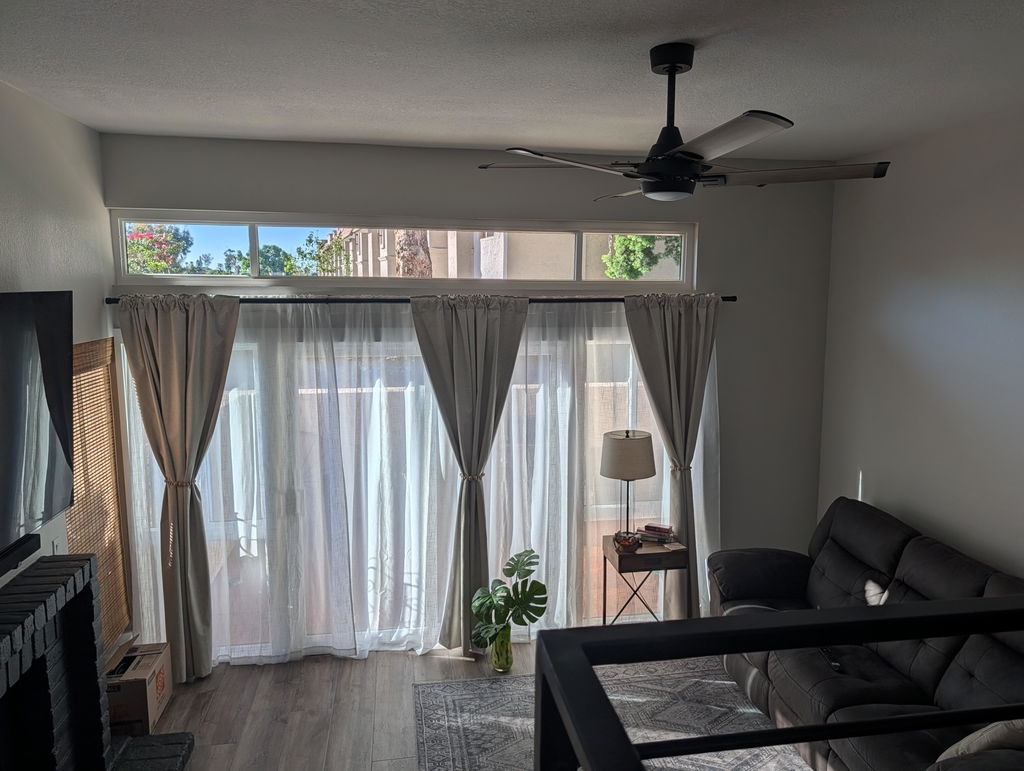
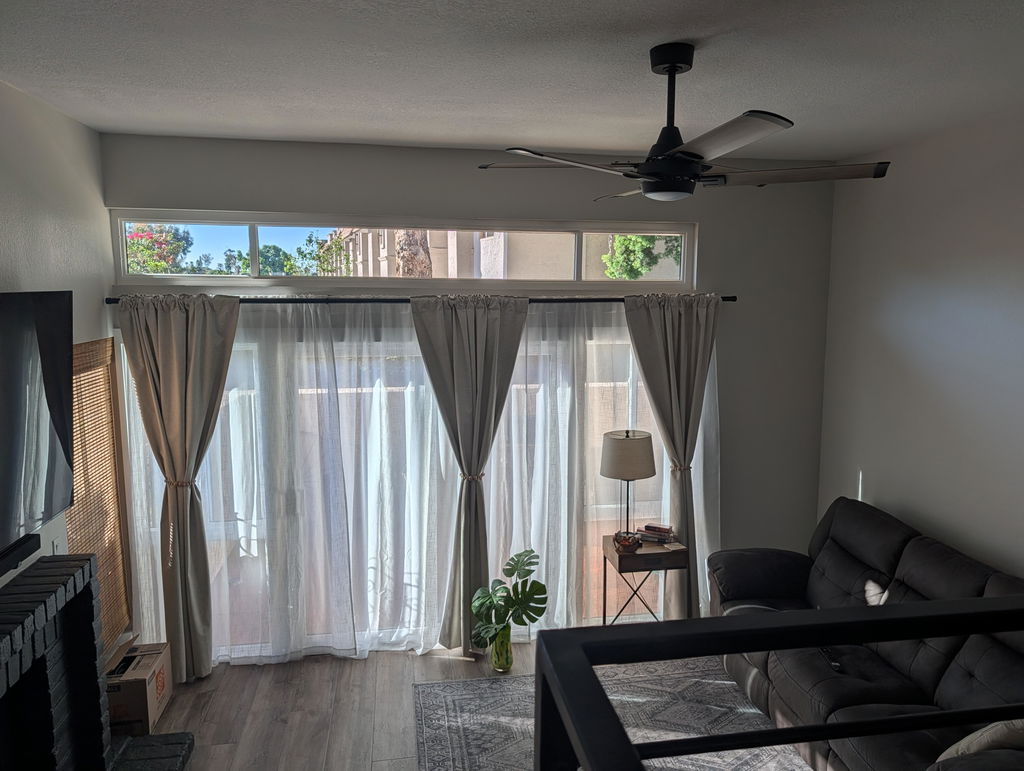
White or cream floor length sheer or semi sheer curtains will allow you to keep your privacy while also allowing light to shine through the curtains. You are able to look outside and maintain a view while also keeping people from being able to see details from the outside during the daytime. The one issue with these fabrics is at night during the darker hours people are able to see inside.
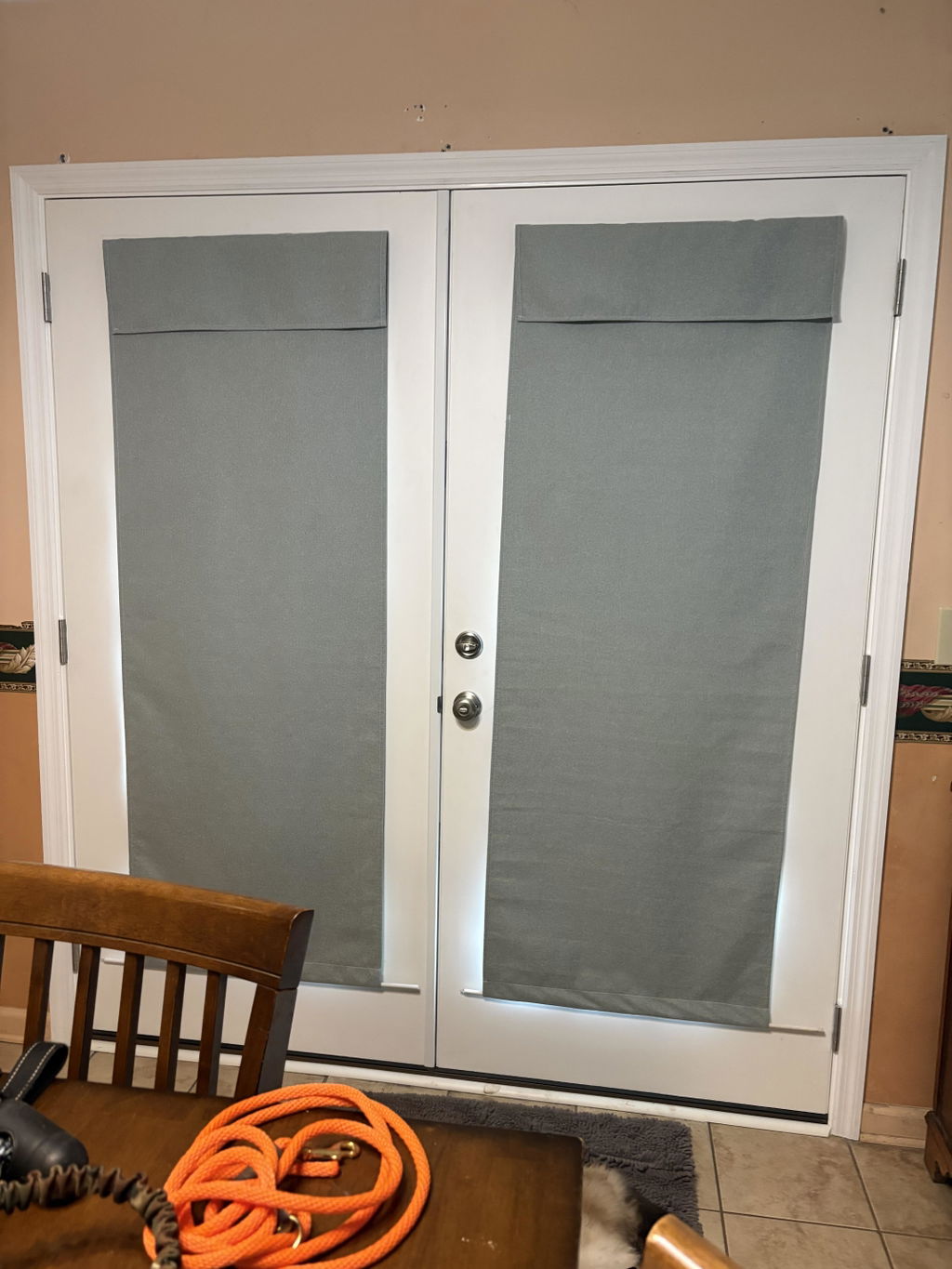
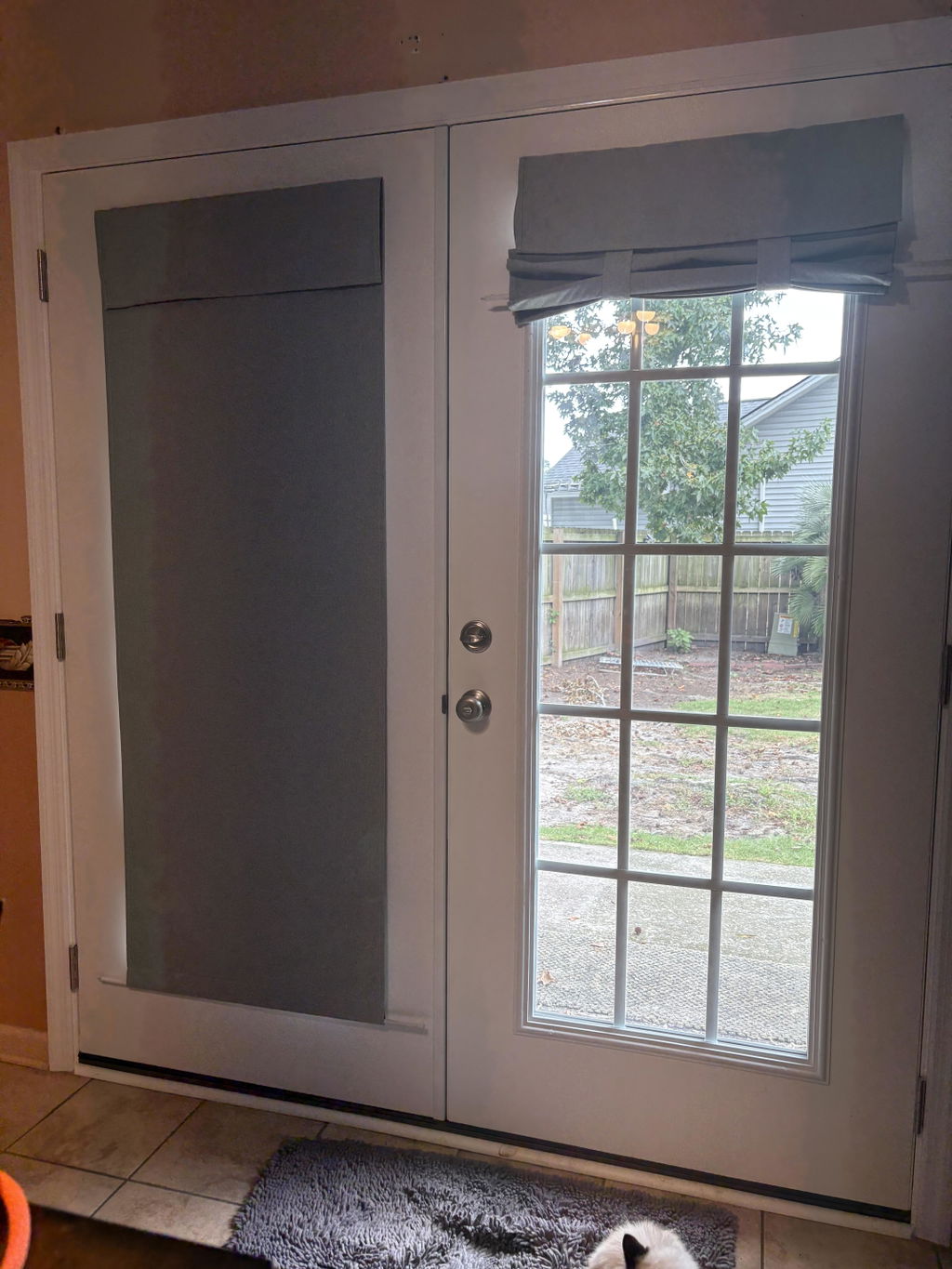
Top-down and bottom-up shades address the day and night problem aptly. These shades allow you to lift the bottom half for privacy while leaving the top half open to let the light in. This is especially ideal for window wells since the privacy concern and the light source is above.
There is more control with customization. A sheer along with a roller shade can be adjusted throughout the day. The sheer can be kept for the day and the shade can be pulled down in the evening.
Frosted window film is a great solution for a more permanent option if you don't need a view. It is applied right to the glass and while it diffuses light, it blocks the view in both directions. This can work great for bathrooms or if you want privacy in a space all the time.
Obeying egress window safety regulations
If your basement has a bedroom or a finished living space, one window has to meet egress requirements. This is a building code issue and therefore your curtain choice will have to work with it.
Refrain from installing window treatments that block or restrict travel through the window if you need to open it in its entirety. For safety reasons, it's best to choose curtains or blinds that open completely. Boundless window opening access must remain uninterrupted, and it is important to not impede or block someone trying to escape the building in case of an emergency. Users must be able to get through the window unhindered. It's easy to choose curtains that technically let the window be opened, but restrict easy access by making it difficult to travel through the window opening.
Curtains and installation options that are more likely to meet safety compliance include:
- Roller blinds that retract fully above the window frame
- Curtains on swing-arm rods that can be pushed completely to the side
- Tension rod curtains that can be quickly removed
- Top-down bottom-up shades that stack at the top when fully raised

Recommendations by room type
Light-filtering curtains in white, cream, or light grey work best in family and rec rooms as they reflect light into the room, while darker shades absorb the light. Select sheers or light-filtering cellular shades so the space does not feel too cave-like.
Blackout capabilities are musts for sleep in bedrooms, however, must keep egress access in mind. The most effective solutions are blackout roller shades that retract fully. If curtain styles are preferred, then swing-arm rods work best and stacked-back curtains are recommended while still allowing for room overflow, and moisture-resistant blackout fabrics should be used.
Home theaters are the sole exception, as all light should be blocked. Dark blackout curtains are a great functional option, and sound-dampening acoustic fabrics are a bonus.
Washable, water-resistant curtains are best for laundry rooms. They can be in the form of cafe-length curtains or roller shades, and should be made of a synthetic material.
Light-filtering fabrics are best for home gyms as they handle the humidity that builds up while working out, and should be easy to clean.
For the most part, you can expect to spend between $30 and $100 for each basement window. However, with basement spaces, it is good to put moisture-resistant materials above decorative details in the budget.
Make your basement work harder
The right window dressings can ensure that your basement is no longer that damp, dark corner of your home, but a usable space. Prioritize moisture-resistant synthetic fabrics over natural materials. Choose light-filtering over blackout unless you're setting up a bedroom or theater. Stick to light colors that reflect what little daylight you get. And if there's a bedroom down there, make sure nothing blocks your egress windows.
Concrete and masonry walls are not uncommon in basements and this can pose some challenges in terms of what anchors you use. If you're not comfortable drilling into masonry, consider using tension rods for your high windows. Otherwise, a few bucks for proper masonry anchors beats a curtain rod pulling out of the wall.
Before You Go…
Here are a few handpicked articles to inspire your next self-care moment.