Sheer curtain fabrics: How light filtering works
Sheer curtains soften the intensity of natural light, add daytime privacy, and still let you see out the window. With so many options available, picking the right one can feel overwhelming. This guide covers the most common types, explains how light filtering actually works, and helps clarify what you're paying for when shopping for sheer fabrics.
Types of sheer fabrics
Different weaving techniques produce different looks and performance characteristics. Here's what you'll actually encounter when shopping:

Voile is the most common sheer curtain fabric. It has a soft drape with just enough crispness to hold its shape, making it work for both small windows and larger installations. If you're buying ready-made sheers, there's a good chance they're voile. It's versatile enough for any style and reasonably priced.
Faux linen (linen-look polyester) has become the dominant choice in American home decor over the past few years. These fabrics have a slubbed, textured appearance that mimics real linen but without the wrinkling and shrinkage issues. They fit the "organic modern" aesthetic popular right now and work well in both casual and more polished spaces. If you want that natural, relaxed look without high maintenance, this is where to start.
Lace is more decorative than plain sheers. Light shining through creates patterned shadows that can look traditional and vintage, or quite modern with geometric designs. Lace requires more careful handling when washing.
Gauze has a loose, uneven weave that creates a relaxed, organic look. It suits coastal and bohemian styles. Some people appreciate how gauze filters light unevenly, while others find it distracting.
Organza is stiff and structured, with a shimmer that catches light. It's best suited for formal settings like dining rooms. Organza holds pleats well but wrinkles easily. You'll see it more often at weddings than in everyday homes.
Chiffon is the lightest and softest option. It has a romantic, flowing quality but is fragile and tricky to handle. It tears more easily than other fabrics and generally works better for special occasions than daily use.
Sheer curtain materials: polyester, cotton, linen, and blends
The fiber content affects how your curtains look, perform, and hold up over time.

Polyester sheers
Polyester dominates the sheer curtain market for practical reasons. It resists sun damage, handles washing well, and lasts longer than natural fibers. Modern polyester sheers don't have the plastic-y look of older versions, and manufacturers have gotten much better at making them look natural.
One real advantage: polyester tends to block more UV rays than natural fibers, which helps protect your furniture and floors from fading. This matters especially in sunny regions like Arizona, Texas, or Southern California. Some polyester sheers are specifically treated for enhanced UV protection.
The downsides? Polyester doesn't breathe as well as natural fibers. It also attracts dust and static. And cheap polyester can look shiny and obviously synthetic, which undermines the whole point of a light, airy sheer.
Cotton sheers
Cotton has a matte, natural appearance that looks very different from polyester. It's comfortable to touch and breathes well. The tradeoffs: it wrinkles more easily, may shrink slightly after washing, and fades faster in direct sunlight than polyester.
Cotton works well if you want a more natural look and don't mind occasional ironing.
Linen sheers
Linen is the oldest sheer fabric and still commands premium prices. Its natural texture, with visible slubs and variations, means each panel has its own character. Linen sheers drape beautifully and develop a soft patina over time.
The disadvantages are similar to cotton but more pronounced. Linen wrinkles very easily and will shrink if washed incorrectly. Most linen sheers need professional cleaning or very careful hand washing. Given the cost, these issues are worth taking seriously.
Blended fabrics
Blends aim to combine the best qualities of different materials. A polyester-linen blend, for example, gives you something that looks like linen but is easier to care for and more durable. Cotton-polyester blends reduce wrinkling compared to pure cotton while keeping a more natural feel.
Pay attention to the actual percentages in a blend. Something labeled "linen blend" might be 80% polyester and only 20% linen, which performs more like polyester than linen.
Light filtering levels
Not all sheers filter the same amount of light. The industry generally uses three categories:

Sheer fabrics let in the most light while providing minimal privacy. You can see through them fairly clearly, and someone walking by could see shapes and movement inside. These work well for north-facing rooms or windows where you want maximum brightness.
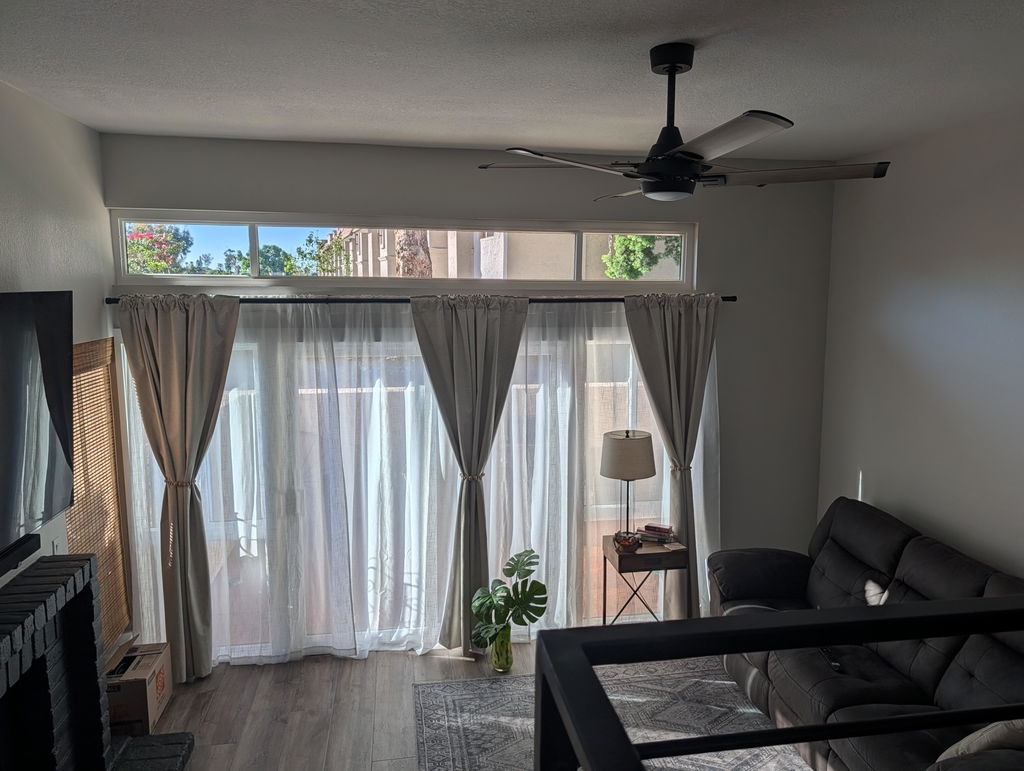
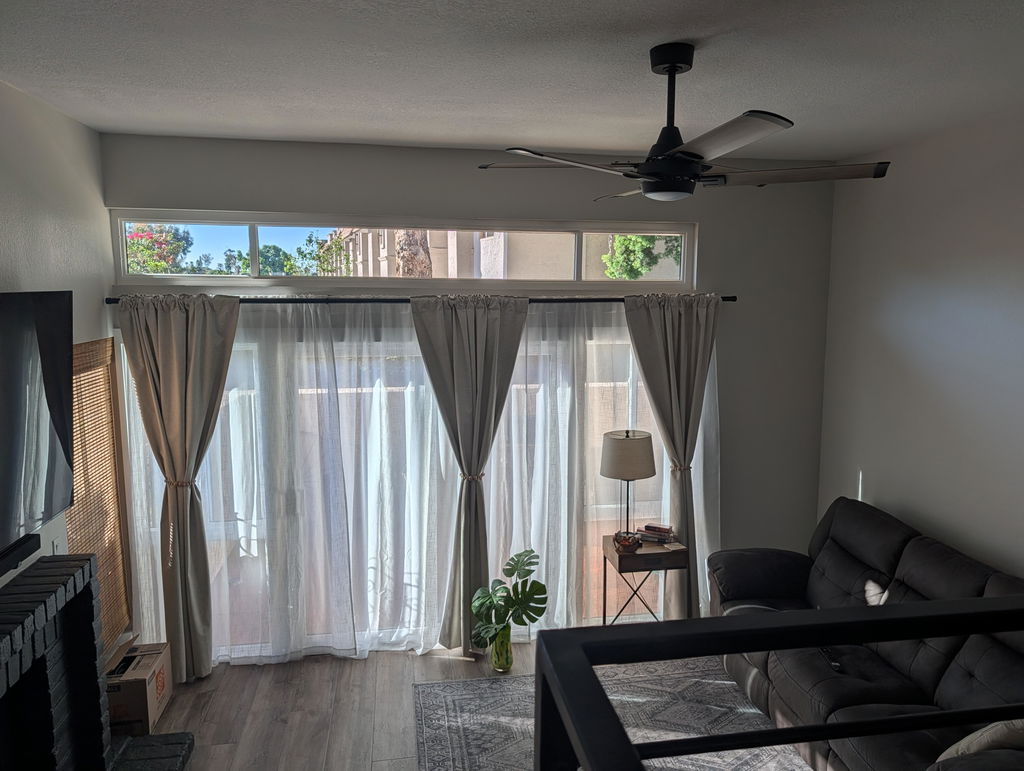
Semi-sheer fabrics soften and diffuse light noticeably. They reduce glare while still keeping rooms bright. Someone outside might see movement but not clear details. This is the most popular choice for living spaces.
Light filtering (sometimes called "semi-opaque") fabrics block more light and provide better privacy. They're good for rooms that get intense afternoon sun or where you want more separation from the street.
Color also affects how much light comes through. White and cream curtains are more transparent than gray, navy, or black versions of the same fabric. If you're shopping online, look for the fabric weight listed in GSM (grams per square meter). Lower GSM means more sheer. Most sheer curtains fall between 30-100 GSM.
One-way privacy and daytime visibility
Here's something that surprises many people: sheer curtains only provide one-way privacy, and only during the day.
During daylight hours, when it's brighter outside than inside, the sun hits the fabric and creates a reflective effect. People outside mainly see the light color of the fabric and can't make out much of the interior behind it.
But this reverses completely at night. Once you turn on lights inside and it's dark outside, the curtain highlights your interior instead. Your silhouette becomes visible to anyone passing by. With very sheer fabrics, people might see furniture, decor, and movement quite clearly.
The layered solution
Most people handle this with a two-layer approach: sheers for daytime with heavier drapes or blinds behind them. During the day, use just the sheers and enjoy the soft, filtered light. At night, close the outer layer for complete privacy.
Double curtain rods make this easy. The sheer panel hangs closer to the window, with the privacy layer in front.
If you don't want the bulk of layered curtains, you can pair sheers with simple roller blinds mounted inside the window frame, or look for sheer shades with a built-in privacy liner.
Header styles matter
How a curtain hangs affects its look as much as the fabric does. The header style, meaning how the fabric attaches to the rod, is often overlooked but makes a big difference.

Rod pocket headers gather fabric around the rod for a soft, casual look. The downside: they're hard to open and close smoothly.
Grommet headers use metal rings punched through the fabric. They're easy to operate and look modern, but can appear casual or even cheap on some fabrics.
Pinch pleat and Euro pleat headers are sewn with structured folds that create an elegant, tailored look. This is what makes sheers look expensive. A $20 polyester panel with a proper pinch pleat can look better than a $100 linen panel with a cheap rod pocket.
Ripple fold headers create uniform, S-curved waves. They look clean and contemporary and work especially well for wide windows.
If budget is tight, putting money toward proper pleating often improves the overall look more than spending it on fancier fabric.
Fullness: the most common mistake
This is the tip many people learn too late: you typically need 2-3 times your window's width in fabric for sheers to look full enough.
Sheer panels stretched tight across a window look flat and cheap regardless of how nice the fabric is. The gentle folds and movement that make sheers attractive only happen when there's enough fabric to drape properly.
Factor this into your budget when shopping. A window that's 50 inches wide might need 100-150 inches of fabric total to look right.
Pricing: what to expect
Sheer curtain pricing varies enormously depending on where you shop and what you're looking for.
Budget ready-made sheers ($10-40 per panel) are typically polyester voile in standard sizes from mass retailers and online marketplaces. Quality varies a lot at this price point. Some hold up fine for years, others look cheap from the start or fall apart after a few washes. Check reviews before buying, and air dry rather than machine dry to extend the life of cheaper panels.
Mid-range ready-made sheers ($40-100 per panel) tend to have better construction details: finished edges, weighted hems, and more fullness. You'll find cotton, cotton blends, better-quality polyester, and faux linen options at this level.
Premium ready-made sheers ($100-200+ per panel) from higher-end home stores offer quality linen, silk blends, and designer fabrics with interesting textures. You're paying for better materials and construction.
Custom drapery is a different category entirely. True custom work from specialty retailers or interior designers typically starts around $300-500 per window and can run $1,000-2,500 or more depending on fabric, size, and construction details. Full-service design firms with professional installation often quote $2,000-4,000 per window. If you get a quote in this range, you're not being overcharged; that's what custom drapery actually costs.
Finding your right sheer
Start with how you want the room to function, then work backward to the right fabric.
Want easy care and good value? Faux linen or quality polyester voile. Prefer natural fiber and don't mind more maintenance? Cotton or linen. Need strong privacy control? Look at semi-sheer or light filtering options, or plan on layering with blinds or heavier drapes.
Check that the fabric weight (GSM) matches how sheer you actually want it. Make sure you're buying enough fullness (2-3 times window width). And don't overlook the header style, which often affects the final look as much as the fabric choice.
Before You Go…
Here are a few handpicked articles to inspire your next self-care moment.