Do Valances Make a Room Look Dated? The Modern Guide to Window Toppers
Mention the word "valance" to many homeowners, and you may be met with hesitation. The term often recalls elaborate floral patterns or heavy, fringed treatments that defined living rooms in decades past. However, overlooking window toppers entirely is a missed opportunity.
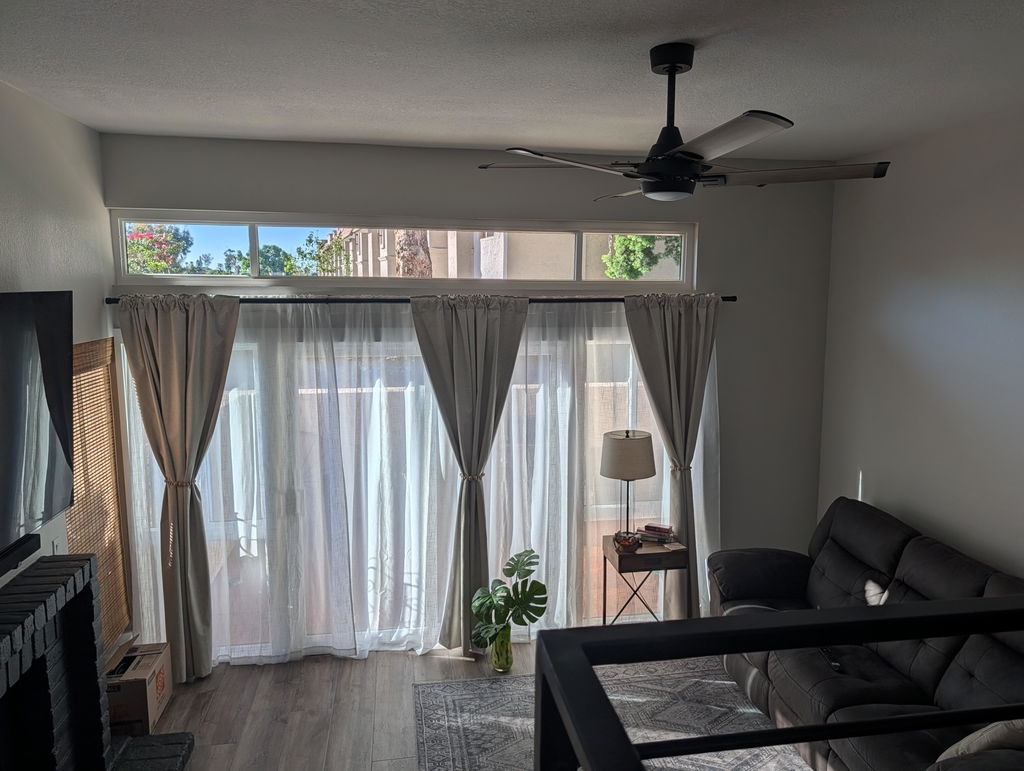
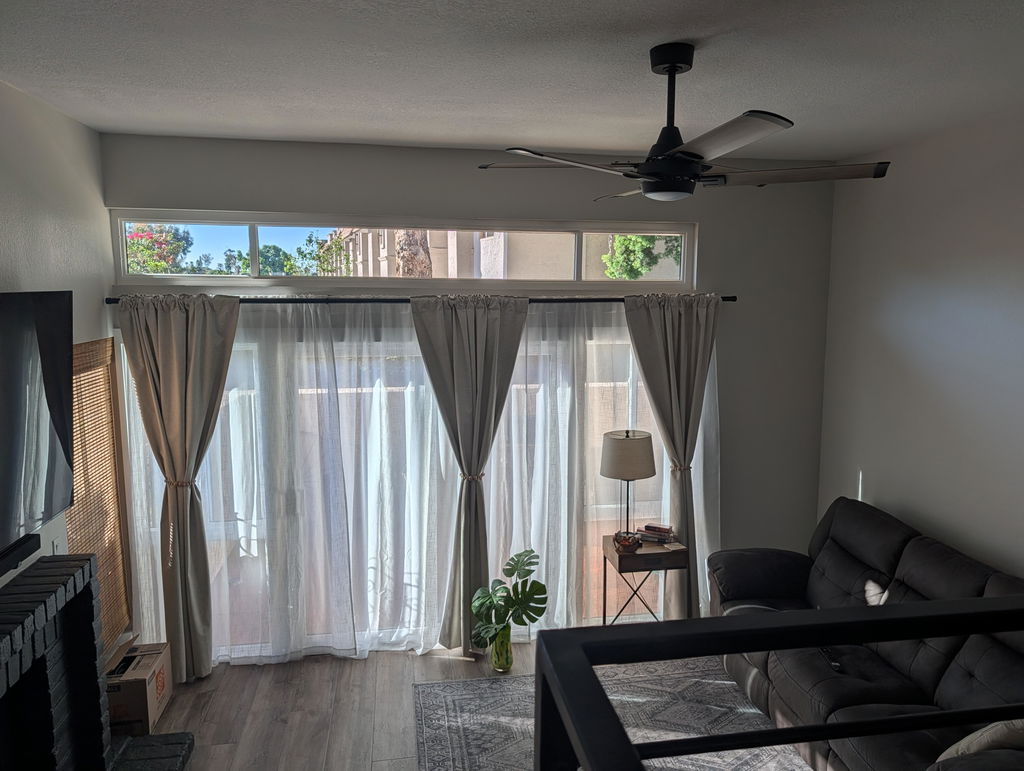
When executed correctly, a modern top treatment—whether a fabric valance or a structured cornice—is the architectural equivalent of a well-tailored blazer. It refines the lines of a room, conceals hardware, and can even create the illusion of higher ceilings. The key lies in distinguishing between "decorating" and "finishing."
The Traditional Perception vs. Modern Reality
The reputation of the valance evolved because, historically, the design intent was largely ornamental. In traditional interiors, window treatments were often symbols of abundance; generous fabric, pleats, and tassels were used to create a sense of luxury. This resulted in substantial designs that focused on grandeur.
Modern design philosophy has refined this approach. Today, a window topper is viewed as a functional element first and a decorative accent second. The goal is to add structure rather than volume.
Traditional styling was often characterized by intricate detail: scallops, lace, and complex patterns. The modern aesthetic is defined by the "Clean Line" principle. If the treatment features a straight bottom edge, sharp corners, or a structured silhouette, it aligns with contemporary sensibilities. While older styles relied on gathering fabric to create fullness, the modern valance functions less like a skirt for your window and more like a soft architectural molding.

The Top 3 Styles for Today's Home
If you are exploring major retailers rather than commissioning custom drapery, it is helpful to know which features to look for. The market has shifted away from rigid cornices toward styles that feel effortless and approachable.
1. The Tie-Up Valance (The "Stagecoach" Look)
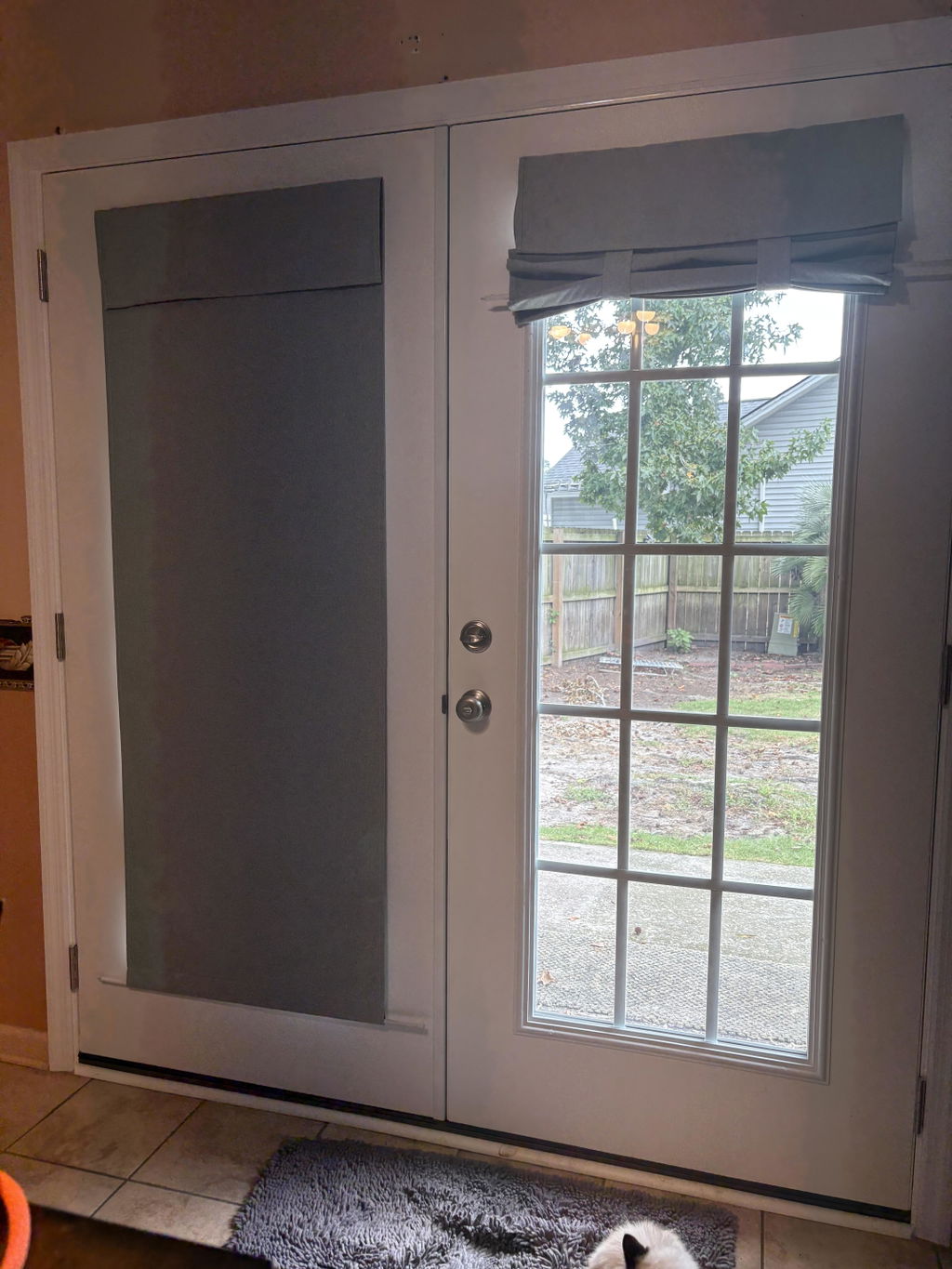
This is currently a leading ready-made style available in retail. A Tie-Up valance hangs flat like a stationary curtain panel but features two ribbons of fabric that allow you to adjust the bottom hem to your desired height.
||product||
- Why it works: It offers the sophisticated look of a relaxed Roman shade at a more accessible price point. It captures the "Modern Farmhouse" aesthetic because it feels inviting and tailored, never stiff.
- Best for: Kitchen windows and bathrooms where you want a soft, lived-in ambiance.

2. The Textured "Boho" Valance
For those drawn to the organic modern trend, fabric is just one of many options. There is currently a significant appreciation for natural materials.
- Woven Wood/Bamboo: Using a short bamboo "valance" (often a fixed shade header) introduces immediate warmth and organic texture.
- Macrame & Crochet: A nod to vintage design, these open-weave toppers add softness and visual interest without compromising natural light.
- Canvas & Burlap: Simple, unlined fabrics that offer raw texture and calming neutral tones.

3. The "Faux" Roller Valance
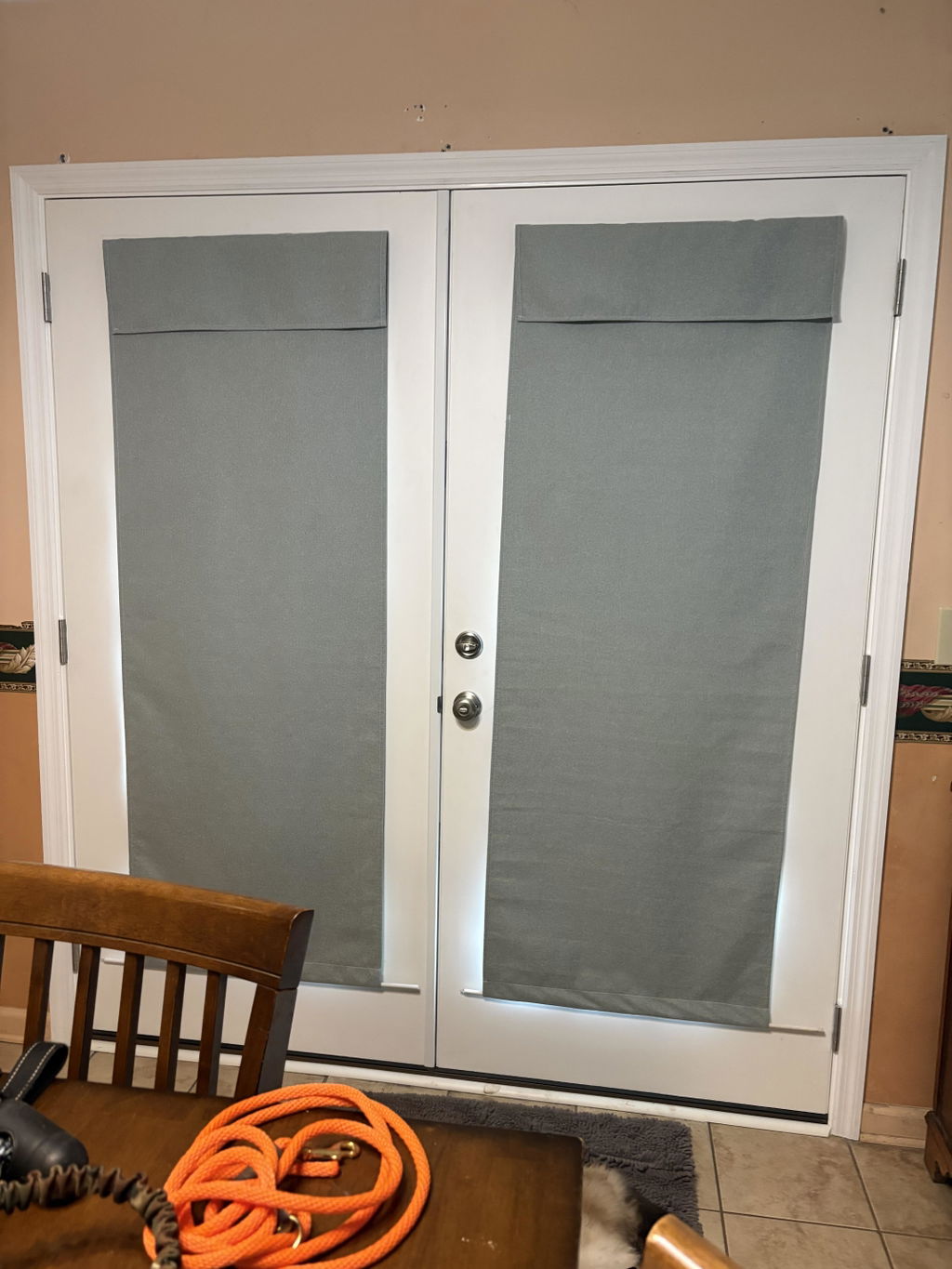
This is a clean, minimal panel of fabric—often with a grommet-top or rod-pocket—that hangs straight with a streamlined silhouette. It resembles a roller shade that has been fully raised. It is an excellent choice for modern, minimalist spaces where the design philosophy is "less is more."
Quick Decision Guide: Which Style Fits Your Aesthetic?
Use this table to identify which valance style harmonizes with your home’s personality.
| If Your Room Style Is... | Classic Inspiration | Contemporary Update | Why It Works |
| Modern Farmhouse | Ruffled Curtains | Tie-Up Valance (Linen/Cotton) | Adds casual softness; resembles a tailored Roman shade. |
| Boho / Organic | Floral Prints | Macrame or Woven Wood | Adds texture and natural elements while maintaining an airy feel. |
| Minimalist / Modern | Balloon Valance | Flat Faux Roller (Solid Color) | Clean lines only; conceals hardware without drawing attention. |
| Traditional / Classic | Scalloped Edge Valance | Tailored Box Pleat | Structured and architectural; adds polish with a refined profile. |
The Practical "Why": Creating a Seamless Look
If modern design favors minimalism, one might ask: why include a valance at all? Why not leave the window bare? The answer often lies in the hardware.
Budget-friendly blinds and roller shades are wonderful for light control, but their mechanical components are functional rather than decorative. The "headrail"—the bar at the top housing the mechanism—can appear industrial. Even premium wood blinds may have slight gaps at the top where light enters. A valance acts as a fascia, elegantly concealing the mechanical parts of your under-treatment. This creates a polished appearance where the blind seems to disappear into the fabric when raised.
||product||
Beyond visual continuity, top treatments are powerful tools for enhancing architectural proportions. If a room has standard 8-foot ceilings but shorter windows, the space can feel visually compressed. By mounting a valance or curtain rod six to ten inches above the actual window frame—just below the ceiling line—you draw the eye upward. The bottom of the valance should just cover the top of the window glass. To the observer, the window appears to start much higher, instantly adding perceived height and grandeur to the space.

Renter-Friendly and No-Sew Solutions
A common misconception is that window toppers require custom carpentry or permanent installation. For the millions of Americans renting their homes, flexibility is essential. Fortunately, the industry offers adaptable solutions.
The Tension Rod Solution
For a window casing with sufficient depth (at least 1 inch), a tension rod is an ideal choice. This allows for an "inside mount" valance. The rod expands between the side jambs of the window frame, holding the valance in place via pressure.
- The Look: This creates a clean, built-in aesthetic that sits flush with the wall. It is ideal for kitchen windows above sinks or bathroom windows.
- The Benefit: No drilling is required, keeping walls pristine and security deposits intact.
The "Hem Tape" Custom Fit
Ready-made valances often come in a standard length, which may not suit every window perfectly. You can easily achieve a tailored look using iron-on hem tape (available at craft or home goods stores). Fold the fabric to your desired length, place the tape inside the fold, and iron it. It fuses the fabric instantly—no needle required. This allows you to transform a standard 18-inch valance into a custom 14-inch topper that fits your window precisely.
The "Fold and Clip" Ring Method
To achieve a high-end "pleated" look without purchasing a specific pleated style:
- Select a flat piece of fabric (a table runner can also work beautifully).
- Fold the top edge over by 2-3 inches to create a faux header.
- Use "curtain clip rings" to pinch the fabric every 4-6 inches.
- Slide the rings onto a rod.
The clips create natural, casual pleats that look custom-made, adding a touch of "effortless chic" to the room.
Sizing Guide: Keep It Balanced
Forget complex calculations. Here is a simplified guideline to ensure a balanced, professional finish.
The Ideal Height Range:
For most standard windows (4-6 feet tall), a valance is typically most effective when it is 12 to 16 inches tall.
- Under 10 inches: May feel under-scaled or incomplete.
- Over 18 inches: Can limit natural light and feel heavy (unless you have 10-foot ceilings).
Width Matters:
Your valance should always be wider than the window. If using a rod, let it extend 3-4 inches past the frame on each side. This ensures the side view of your blind hardware (the "return") is fully covered. If you are using a tension rod inside the frame, ensure the fabric is 1.5 to 2 times the width of the window for a gathered look, or the exact width for a flat, tailored appearance.
Frequently Asked Questions
Can I use a valance without blinds or shades?
Yes, this works beautifully for decorative purposes. It is common in spaces where privacy isn't a primary concern, such as a kitchen window overlooking a private garden. However, the look is often more grounded when paired with a textured layer like a bamboo shade or wood blind, which provides functionality.
Should the valance match my curtains?
In most contemporary designs, contrast is preferred. Matching your valance to your curtains (using the exact same fabric) can feel quite formal. A more modern approach is to select a valance that blends with the wall color (for a seamless look) or coordinates with other textiles in the room, like throw pillows or a rug. If you do use curtains, consider mounting the curtain rod high and omitting the valance for a streamlined effect.
How do I maintain them without removal?
Regular maintenance is key. For fabric valances, use your vacuum's upholstery attachment on a low suction setting once a month. For hard cornices or bamboo valances, a simple lint roller or a microfiber duster is effective. It is best to spot clean rather than machine wash to maintain the crisp shape of the fabric.
Conclusion
Window toppers are not obsolete; they have simply evolved.
If you choose a high-sheen, heavily gathered fabric? It may feel traditional.
If you install a crisp linen Tie-Up, a woven bamboo texture, or a simple canvas topper mounted high on a tension rod? Timeless.
The modern home isn't about following strict rules; it's about curated solutions. If a valance brings warmth to a rental apartment or elegantly conceals blind hardware, then it is the perfect modern accessory. Focus on architectural solutions rather than just decoration—that is the secret to a modern window.
Before You Go…
Here are a few handpicked articles to inspire your next self-care moment.